

News
“She wants to live her life”: End in sight for Spears conservatorship

Jamie Spears requests to terminate the power he has over his daughter, but some are questioning whether it’s under the right intentions.
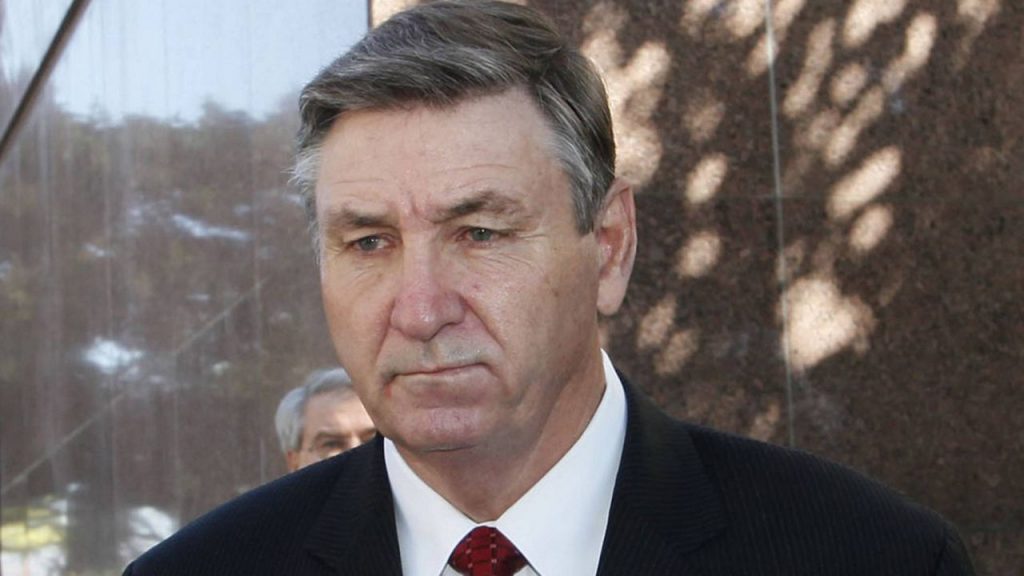
After a long 13-year battle, Britney Spears’ father Jamie Spears, has filed a petition to end the conservatorship arrangement that controlled his daughter’s life.
The request came unexpectedly, with Mr Spears telling a Los Angeles court it was Britney’s plea to end the deal which led to his request for termination.
“She wants to be able to make decisions regarding her own medical care, deciding when, where and how often to get therapy [among other things],” Mr Spears says.
“In short, she wants to live her life as she chooses without the constraints of a conservator or court proceeding.”
The events which occurred in the lead-up to the arrangement’s cancellation also contributed to Mr Spears’ decision, with the public eye questioning if Britney’s circumstances justified whether the conservatorship was necessary.
Mr Spears’ lawyer says Jamie wants the best for his daughter and is willing to give her a chance to handle her own life if she believes she is capable.
Is the end in sight?
Britney’s described her father’s conservatorship as “abusive”, addressing the court twice within the last year for him to be removed from his role.
The legal arrangement – usually put in place for those who are old and frail – was instated in 2008, with a series of mental health issues to blame for its purpose.
It meant Britney’s father had control over her finances, healthcare and personal life.
While Jamie Spears did step down in 2019, a licensed conservator now fulfils his role.
In protest, the pop star has refused to perform since 2018 and continues to do so, as long as she’s under her father’s rule.
A word from Britney’s lawyer
While Britney’s lawyer, Mathew Rosengart, sees this as a win for his client, he says Mr Spears is trying to avoid taking responsibility for the alleged trauma he has caused his daughter.
“It appears that Mr Spears believes he can try to avoid accountability and justice, including sitting for a sworn deposition and answering other discovery under oath, but as we assess his filing (which was inappropriately sent to the media before it was served on counsel) we will also continue to explore all options,” Rosengart told AP in an email.
This was the first time in the last 13 years where Britney was permitted to choose her own attorney.
The case’s next hearing is scheduled for 29 September.
Written by Rebecca Borg

-
 News3 days ago
Six nations pledge security for Strait of Hormuz
-
News3 days ago
Energy markets face turmoil from Iranian attacks
-
News3 days ago
Apple to earn over $1B in AI app fees
-
Tech3 days ago
Uber to invest $1.25 billion in Rivian robotaxis
-
Tech4 days ago
Australian scientists create world’s first quantum battery
-
Tech10 hours ago
Meta to cut 20% workforce for AI focus
-
News2 days ago
Oil prices surge on Middle East supply disruptions
-
News4 days ago
Germany and France warn against Iran war escalation