
Connect with us
https://tickernews.co/wp-content/uploads/2023/10/AmEx-Thought-Leaders.jpg

Money

Qantas takes big step towards sustainable future

Published

on

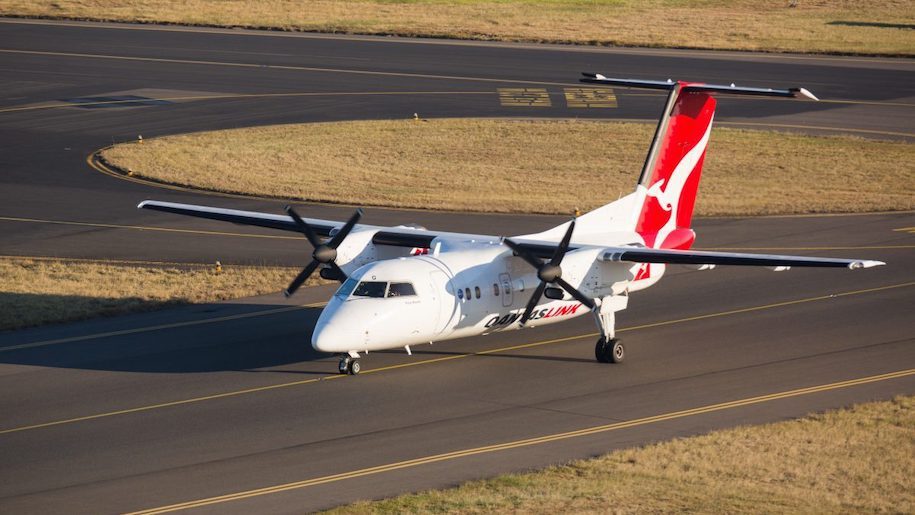
Australian airline Qantas is ramping up its efforts to be better on the environment

Passengers on Qantas flights will start to notice some big changes over the next couple of years.

The Australian national carrier has announced its officially quitting plastic packaging and utensils altogether.

Knives, forks, bags, wrapping, and cups are among the type of things no longer to be found on flights by 2027.

A look at Qantas’s new targets:

  • Sustainable Aviation Fuel (SAF)  10 per cent use of SAF in the Group’s fuel mix by 2030, and approximately 60 per cent by 2050.
  • Waste reduction – Zero single-use plastics by 2027 and zero general waste (excluding quarantine waste) to landfill by 2030.
  • Fuel efficiency – Increase fuel efficiency by an average of 1.5 per cent per year to 2030. Achieved through updating our aircraft fleet and using more efficient flight planning, while continuing research into next generation technologies, including hydrogen and battery power.
  • Offsets – continue to build our offsetting program particularly into key Australian projects
QANTAS ZEROS IN ON EMISSIONS WITH INTERIM TARGET

Leading the biofuels industry:

Qantas says that sustainable aviation fuel (SAF) is critical to the decarbonisation of the industry. The carrier is setting a target of 10 per cent SAF in fuel uptake by 2030, and approximately 60 per cent by 2050.

Qantas has already started flying with SAF sourced from overseas, with 15 per cent of fuel used out of London comprised of SAF since the beginning of 2022. A second major supply deal has been signed for almost 20 million litres a year of blended SAF out of Californian airports from 2025, with options to increase amounts as production increases. Negotiation on other offshore supply agreements are underway.

SAF is produced from certified bio feedstock, including used cooking oil, sugar cane, forestry residues, animal tallow and other waste products. It is blended with normal jet fuel and produces up to 80 per cent less emissions on a life cycle basis when compared with traditional jet kerosene.

The airline will also tie its climate change goals to the pay packets of its management team from July.

It is also aiming for zero landfill waste by 2030.

Money

Dow tumbles over 1,000 points as oil surges past 80 amid Iran tensions

Stocks plummet over 1,000 points amid oil price surge and Iran tensions; market implications discussed by Kyle Rodda.

Published

on

Stocks plummet over 1,000 points amid oil price surge and Iran tensions


Stocks were rattled this week as the Dow dropped more than 1,000 points, driven by surging oil prices that surpassed 80 dollars a barrel. The spike comes amid escalating tensions in the Iran conflict, sparking concerns for investors worldwide.

Kyle Rodda from Capital.com breaks down the key factors behind the market plunge, which sectors were hit hardest, and how the previous day’s slight stabilisation of oil influenced trading.

The implications of rising oil and geopolitical uncertainty could have lasting effects on the global economy. Watch as Kyle explains what to watch next in the market and how investors are responding to these turbulent times.

Subscribe to never miss an episode of Ticker – https://www.youtube.com/@weareticker

#StockMarket #OilPrices #DowJones #FinancialNews #Investing #MarketUpdate #IranCrisis #Economy


Download the Ticker app

Continue Reading

Money

How Iran conflict is driving oil prices and global market volatility

Published

on

Energy prices soar amid Iran conflict, with investors reassessing risks and market dynamics.


The ongoing conflict in Iran has sent energy prices soaring and markets reeling. Investors are reassessing inflation expectations, central bank rate paths, and global growth prospects as risk aversion rises.

David Scutt from Stonex gives his insights on how surging oil prices and rising energy risk premia are influencing investor sentiment and market dynamics.

Markets may need weeks to fully digest the economic impact of the conflict, with volatility likely to persist as investors weigh geopolitical and financial risks.

Subscribe to never miss an episode of Ticker – https://www.youtube.com/@weareticker


Download the Ticker app

Continue Reading

Money

Middle East crisis: Global markets, tech, and supply chains under pressure

Published

on

Navigating global uncertainty as the Middle East crisis reshapes markets, technology, and supply chains


The ongoing Middle East crisis is sending shockwaves through global markets, driving energy prices higher and intensifying volatility. Investors are facing growing uncertainty as inflationary pressures mount and risk sentiment shifts. Supply chains are under stress, with key trade routes disrupted, forcing businesses worldwide to rethink logistics, procurement, and operational strategies.

The technology sector is feeling the ripple effects as semiconductors, critical components, and AI infrastructure come under pressure. Volatility in tech stocks is rising, while defence and cybersecurity firms are navigating both new risks and opportunities. At the same time, investment in renewable energy and energy tech could accelerate as companies adapt to energy price surges and seek more resilient solutions.

Brad Gastwirth from Circular Technologies joins us to break down what these developments mean for global markets and long-term strategic planning.

Subscribe to never miss an episode of Ticker – https://www.youtube.com/@weareticker

#MiddleEastCrisis #GlobalMarkets #TechIndustry #EnergyPrices #SupplyChain #InvestorAlert #AI #Innovation
Download the Ticker app

Continue Reading

Trending Now