

Money
How Tesla has hit green amid chip shortage and supply chain crisis

Tesla has reported a huge surge in profits off the back of strong sales
Sales rose to $12 billion dollars in the three months to the end of June, up from $6 billion a year ago, when its US factory was shut down.
Profits for the second three months of the year were $1.1bn, up from $104m last year.
“Public sentiment and support for electric vehicles seems to be at a never-before-seen inflection point,” Tesla wrote in its second-quarter letter to investors.
The electric carmaker said it delivered a record 200 thousand cars to customers in the same period.
This came despite shortages of semiconductor chips and congestion at ports impacting the production of cars.
In an update to investors on Monday, Tesla said: “Public sentiment and support for electric vehicles seems to be at a never-before-seen inflection point.
“We continue to work hard to drive down costs and increase our rate of production to make electric vehicles accessible to as many people as possible.”
Tesla added that how quickly it could produce cars throughout the rest of the year would depend on the supply of key parts of its vehicles, with demand at “record levels”.
This follows news last week, that Tesla has struck a nickel-supply deal with BHP Group.
Telsa’s billionaire boss, Elon Musk, has repeatedly expressed concern about future supplies of nickel due to challenges in sustainable sourcing.
Musk has pleaded with miners to produce more nickel, with demand set to skyrocket as the world increasingly moves toward electric vehicles and phase out internal combustion engine cars.
Bitcoin bounces back as Musk announces Tesla to accept crypto again
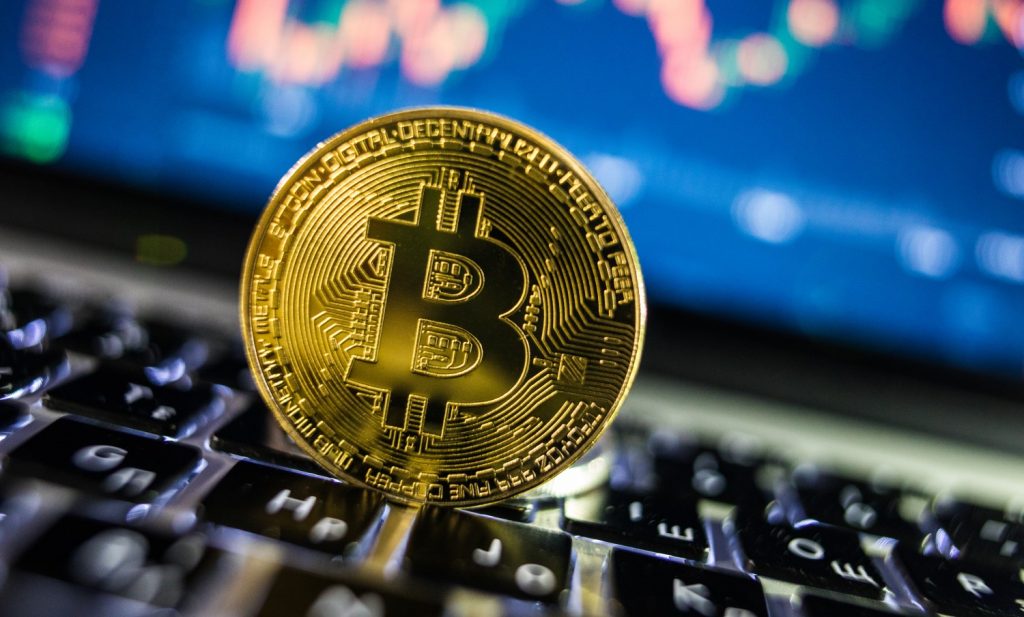
Last week, Tesla CEO Elon musk reiterated his backing of cryptocurrencies and confirming he owns multiple coins.
Musk also says Space Exploration Technologies Corp owns Bitcoin, just like Tesla.
“It looks like bitcoin is shifting a lot more toward renewables and a bunch of the heavy-duty coal plants that were being used…have been shut down, especially in China,” said Musk at an event hosted by the Crypto Council for Innovation.
“I want to do a little more due diligence to confirm that the percentage of renewable energy usage is most likely at or above 50% and that there is a trend toward increasing that number. If so, Tesla will most likely resume accepting bitcoin,” he said.
Will the bounce up stay?
Since May, most cryptocurrencies have tumbled dramatically, with around $1.3 trillion wiped from the market value.
Bitcoin has faced numerous challenges in recent times… including regulatory scrutiny in China, Europe and the U.S.
Authorities around the world are concerned about the level of energy needed by the computers that undermine the entire network.
“Long-term, renewable energy will be the cheapest energy, but it doesn’t just happen overnight,” Musk added. “But as long as there is a conscious and determined, real effort by the mining community to move toward renewables, then obviously Tesla can support that.”
Analysts also believe investors are also becoming increasingly more cautious about sceptical assets.

-
 Ticker Views2 days ago
Artemis II crew will endure 3,000°C on re‑entry
-
News3 days ago
North Korea tests cluster warhead on missile
-
Tech4 days ago
Apple shares drop on foldable iPhone delays
-
News2 days ago
OpenAI introduces $100 monthly ChatGPT Pro subscription
-
Leaders3 days ago
Australia raises over $3 million for Middle East crisis
-
News4 days ago
Iranian hackers escalate attacks on U.S. infrastructure
-
News4 days ago
Ticker launches The Founders Method, exploring real entrepreneurship
-
Money2 days ago
Ceasefire impacts on global energy and markets