News
Did September 11 change a religion? | ticker VIEWS
Twenty years ago, the world changed. The September 11 attacks, and the subsequent wars in Afghanistan and Iraq shifted the global terrorism discourse forever
September 11 sparked a new age in terrorism. It placed transnational attacks as a central threat to international norms and security.
The collapse of the Twin Towers; the Pentagon explosion; and the airliner crash in Pennsylvania became vivid reminders that a person’s ordinary day could come to an abrupt and devastating end at the hands of violent extremists.
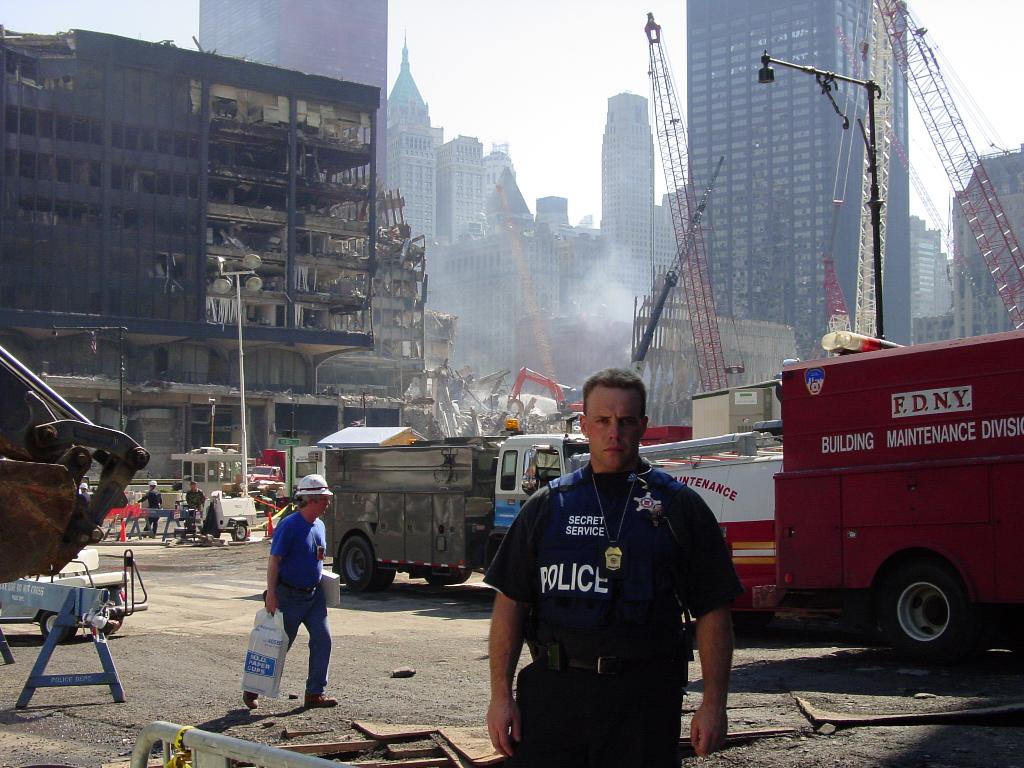
Nearly 3,000 people lost their lives on September 11, 2001. Twenty years on, their stories are not too distant. The images are not in black and white. They are in colour, on our television screens and even referenced popular culture.
“We do not fight Islam, we fight against evil.”
PRESIDENT GEORGE BUSH
As the world pauses to mark this sombre anniversary, it calls for a reflection on how September 11 changed stereotypes forever.
Representations are important
A few year years ago, I interviewed Shehzi Yusaf, a clinical psychologist who forms part of the Psychology from an Islamic Perspective Interest Group.
The group looks at the mental health concerns of Muslims, and ensures a platform for the definition and nature of Islamic psychology.
But Yusaf said the September 11 attacks had created a lifetime of mental health symptoms for her Muslim clients.
“They have just lived in that era of hostility towards their religion,” she said.
A 2017 study found “significantly more terrorism” has occurred on both a domestic and international front since the September 11 attacks.
Smith and Zeigler’s research concluded that “Jihadist terrorism looks to have become more enduring and wide-spread in the past 15 years.”
Sadly, this appears to have changed perspectives of the Muslim faith.
A 2015 report from the Scanlon Foundation found some groups of Australian Muslims reported high levels of discrimination, including 51 per cent of those who were born in Australia.
The organisation provides grants to improve social cohesion across Australia.
Yusaf said between 15 and 22 per cent of Australians support discrimination based on religion.
Similarly, I recall interviewing Ambreen Mirza who works with Islamic women.
When Mirza gave me the address to her business, she told me to keep it strictly private because of her ongoing fear associated with being Muslim.
“When we work with young people, a lot of their challenges of people a Muslim is not being labelled a terrorist.”
AMBREEN MIRZA
I was stunned, I didn’t think this happened in contemporary society, and it was largely because of the 9/11 attacks.
Who is responsible?
Mirza believes the media, and far-right politicians are to blame for the xenophobic rhetoric on Muslims.
It’s hard to disagree with her. We’ve all seen the September 11-inspired films like United 93, Zero Dark Thirty, or The Reluctant Fundamentalist.
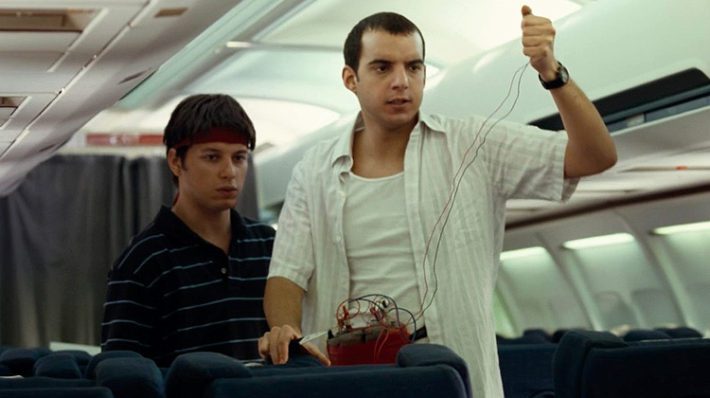
In these films, men with dark features and excessive facial hair are stereotyped as terrorists.
London-based actor Omar Berdouni, who played one of the terrorists in United 93, didn’t expect films like this to be made.
“Not only the passengers were hijacked that day. Also my religion was hijacked in a way that they were killing innocent people in the name of Islam, which couldn’t be far from the truth,” he said.
But xenophobic or Islamaphobic politics isn’t going anywhere. From the Trump Administration’s hardline stance on Muslim immigration, to Hungary’s Prime Minister Viktor Orban labelling Muslim migrants as “invaders”.
Ambreen discussed the road out of September 11, and how it shifted depictions of Muslims in contemporary society.
“Often Muslims may not look Muslim, but people aren’t sold on that idea.
“If people don’t get the hijab or they don’t get the traditional ethnic Muslims then they’re not convinced. It’s like they want the ‘real thing’.”
AMBREEN MIRZA
“They think that they are some form of ‘moderate Muslim’, and you’re thinking ‘I’ve never called myself that’,” she said.
What does research tell us?
Even if we put the anecdotal evidence aside, there’s a suite of research into September 11 representations of Muslims.
In fact, research suggests the ‘war on terror’ discourse “ties together terrorism, national security, war and Muslims”.
It also plays into the narrative about Muslims being “‘inherently’ violent, threatening and as potential terrorists”.
“Here in the United States our Muslim citizens are making many contributions in business, science and law, medicine and education, and in other fields.”
PRESIDENT GEORGE BUSH
As the U.S. marks the 20th anniversary of that fatal day, it’s worth reflecting on our own attitudes and choices.
-
 News3 days ago
Nvidia launches platform to prevent rogue AI agents
-
Ticker Views3 days ago
US-China AI Summit ends without the breakthrough many expected
-
Money3 days ago
Wall Street declines as oil, bond yields rise
-
News4 days ago
Australian cabinet to discuss OpenAI breach
-
News4 days ago
Five arrested near UK base amid terror plot
-
Shows2 days ago
AI’s evolving role in school marketing explored
-
News3 days ago
Russian drone attacks hit Kyiv and Dnipro
-
Shows2 days ago
Government equity schemes aid home buyers but pose risks