

News
Businesses brace for impact as new COVID outbreak emerges across Australia

Businesses in Australia are bracing themselves for a drop in revenue as fresh COVID cases lock down many states
For the first time in a year, Australia is dealing with outbreaks across the country.
An outbreak in Sydney linked to the highly contagious Delta variant has grown to 128 cases.
Cases have also been recorded in the Northern Territory, Queensland and Western Australia.
Health authorities say it is a “critical time” for the country, which has kept case numbers low with border closures and lockdowns.
This is the first time in months that cases have emerged in multiple parts of the country at the same time.
Businesses brace
Businesses are again feeling the impact of lockdowns and shut down orders with many in the travel sector, hospitality and arts again feeling the pinch.
A relief package to help Sydney businesses cope with the financial impacts of the city’s lockdown is expected to help operators recoup lost revenue and claim unused stock.
Lobbying from industry groups has meant the support package will echo the one provided to northern beaches businesses over the Christmas lockdown.
Sydney’s two-week lockdown is expected to wipe $2 billion off Australia’s GDP.
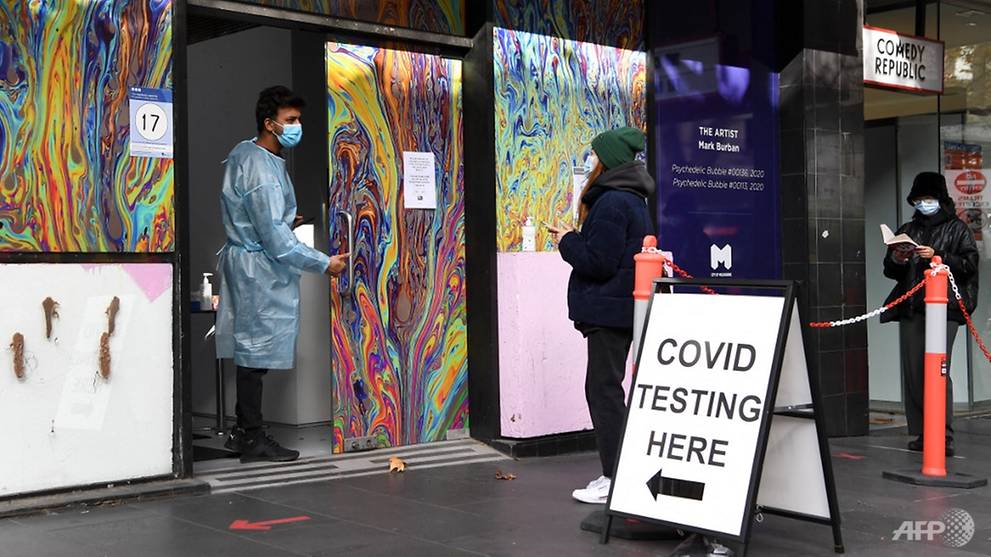
Australian leaders will hold an emergency meeting on Monday after a spike in Covid infections.
Both State and Federal Governments are now holding emergency crisis meetings in order to deal with emerging cases.
While thousands stayed indoors to work from home under new lockdown rules in multiple states, queues were spotted at Sydney’s mass vaccination centre.
Authorities are encouraging people to continue to get their vaccinations amid the stay-at-home order provided they wear a mask and are not experiencing any COVID-19 symptoms.
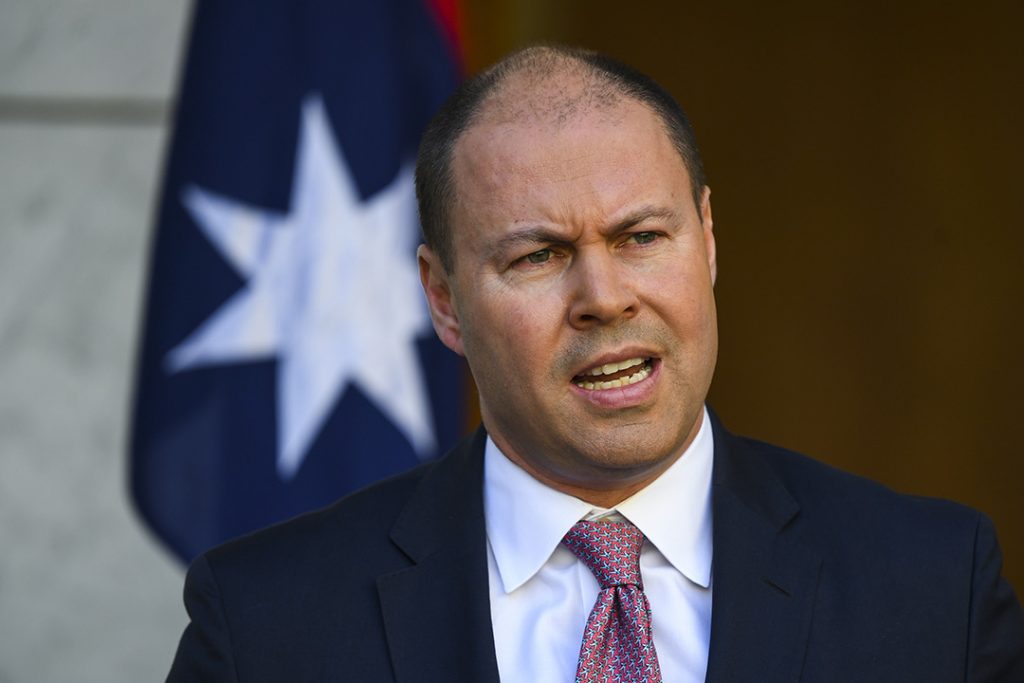
“I think we’re entering a new phase of this pandemic, with the more contagious Delta strain,”
Treasurer Josh Frydenberg told ABC News on Monday.
The escalation in Covid infections has prompted lockdowns in the cities of Sydney and Darwin, as well as restrictions across four states.

Australian Treasurer Josh Frydenberg (AAP Image/Lukas Coch)
New South Wales hits breaking point
Meanwhile, the situation in New South Wales is at breaking point after the Bondi cluster rose to 110 cases over the weekend. 19 of the cases were not in isolation while they were infectious.
“I also do want to foreshadow that given how contagious this strain of the virus is, we do anticipate that in the next few days case numbers are likely to increase even beyond what we’ve seen,”
said NSW State Premier Gladys Berejiklian.
Greater Sydney, the Blue Mountains, the Central Coast, Wollongong and Shellharbour have started a two-week lockdown as a result.
There is mounting concern after a Virgin Australia crew member tested positive after flying to various cities across Australia
Other states enact tougher border restrictions to prevent further spread
The states of Victoria, South Australia, and Tasmania have all enacted tougher border restrictions with neighboring regions.
Meanwhile, the Australian Capital Territory is enforcing mask-wearing for the first time since the pandemic began.
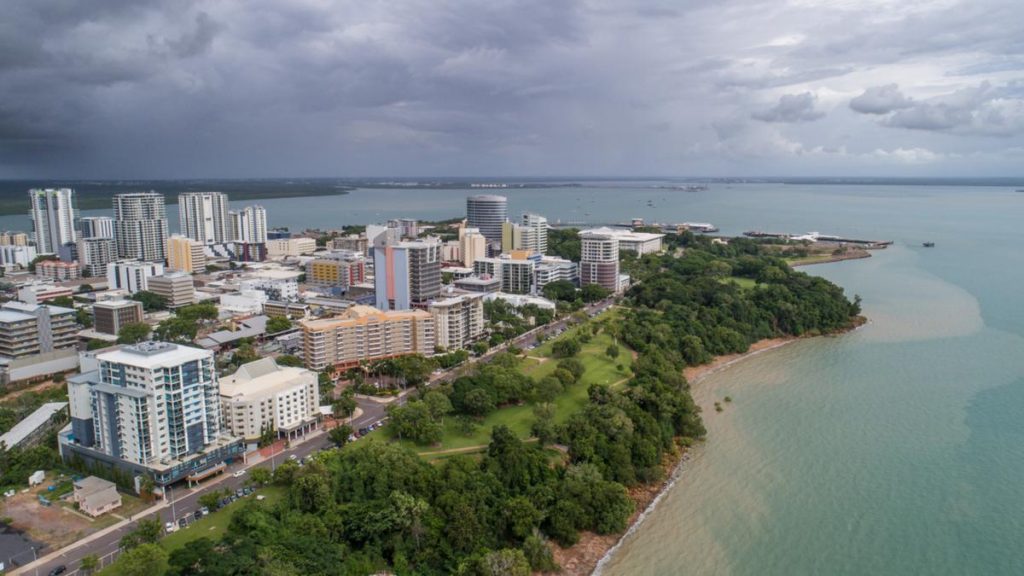
WA, Queensland and the Northern Territory are also dealing with new cases.
Both states have imposed heavy new restrictions and lockdowns have been extended.

-
News2 days ago
Anthropic disrupts malicious AI campaigns from Russia, China
-
Tech2 days ago
Schneider Electric’s sustainability push as AI reshapes energy demand
-
Tech3 days ago
Apple thinks you’ll pay $3,500 for an iPhone
-
Tech3 days ago
Apple event 2026: Ternus reveals the foldable iPhone Duo
-
Money2 days ago
‘A huge shock’: ASX faces bloodbath amid global risks
-
News2 days ago
Houthis seize key Yemen port threatening Saudi oil routes
-
News3 days ago
Albanese’s internet crackdown could fuel the populist backlash
-
News2 days ago
Property tax changes will reduce housing construction