

News
6 months in office: where is Biden most vulnerable?

On Tuesday, President Joe Biden will mark 6 months in office. He has had strong successes, but there is much more to accomplish ahead
Biden’s popularity is positive and steady above 50 per cent. His policy proposals have met with strong approval: how he has managed the pandemic, the vigorous jobs gains and economic recovery, the direct financial support to families and workers, a more normal summer of being together with friends and family and travelling again, and an overall sense of optimism about the future.
The troops have come home from Afghanistan, American leadership on the world stage is valued again by US allies. There was direct engagement with President Putin. Biden is strengthening policy across Asia and will soon engage more directly with China.
Biden’s Cabinet officials are performing well. His White House staff is viewed as exceptionally able. Processes are orderly. The chaos of the Trump years is gone. The press is no longer the enemy of the people.
While it has been an exceptionally good six months, there are many challenges yet to be faced and overcome
Partisanship in the capital is at poisonous levels.
The Senate Republican leader says he is committed to “100%” opposition to what Biden is doing. Legislation that passes the House of Representatives faces death by filibuster in the Senate.
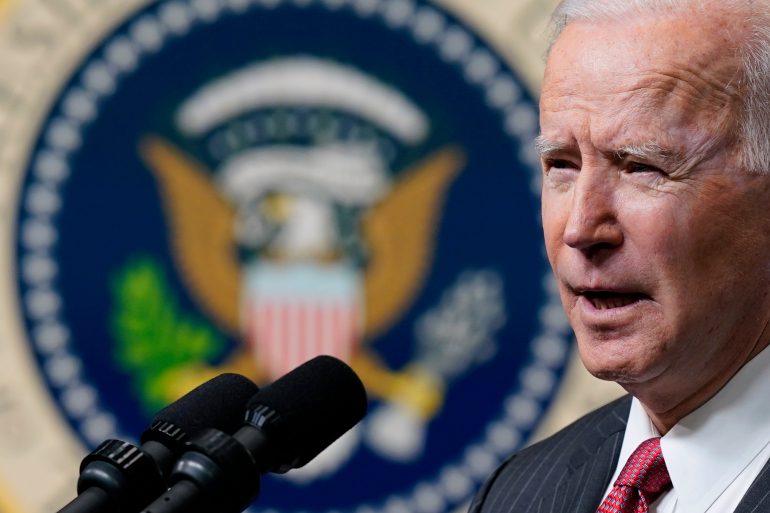
There is no movement on issues that tear at the fabric of American life: voting rights, gun control, immigration reform.
What is the Republicans game-plan?
While Biden supporters clamour for action but there is no clear road ahead. The Republican game-plan is simple: stop Biden from governing and take that failure to the midterm elections next year and take back control of Congress.
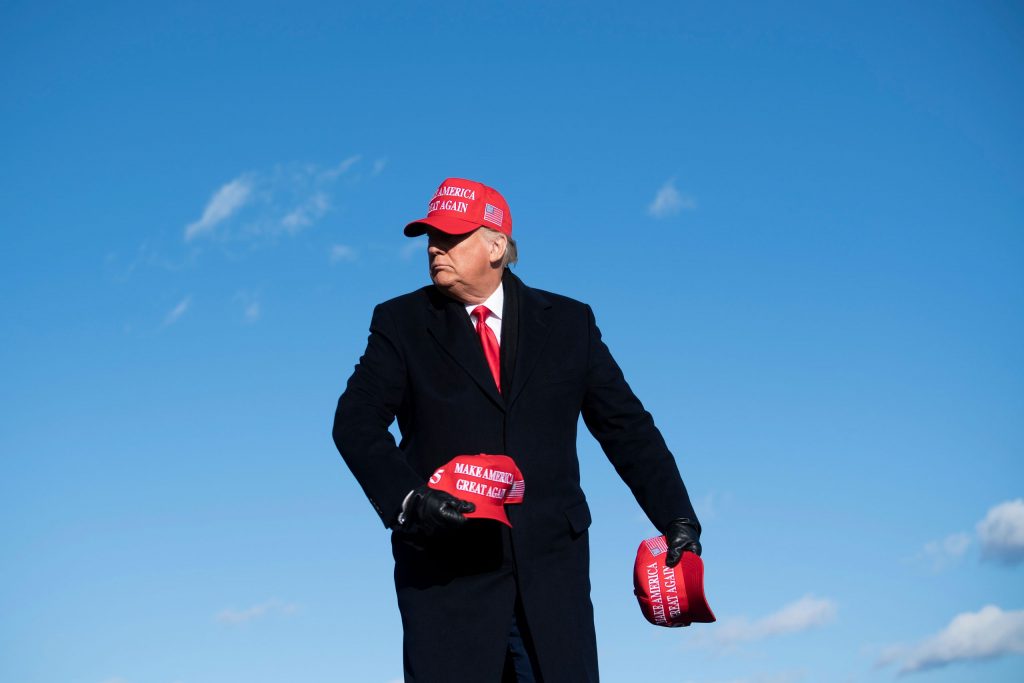
The next crucial piece of economic recovery – rebuilding the country with a vigorous infrastructure program and advancing Biden initiatives on education, climate, and health care – are all in the balance in the Senate. Whether the bipartisan infrastructure agreement truly holds – will it die because of lack of sufficient Republican support? – will be the crucial test of whether any meaningful engagement between the president and the Republicans is possible. Votes are expected this month.
But where is Biden really vulnerable?
Republicans have not been successful in attacking Biden frontally on his major legislative achievements: curbing the pandemic, rolling out the vaccines, financial support, jobs and growth, infrastructure, education and skills.
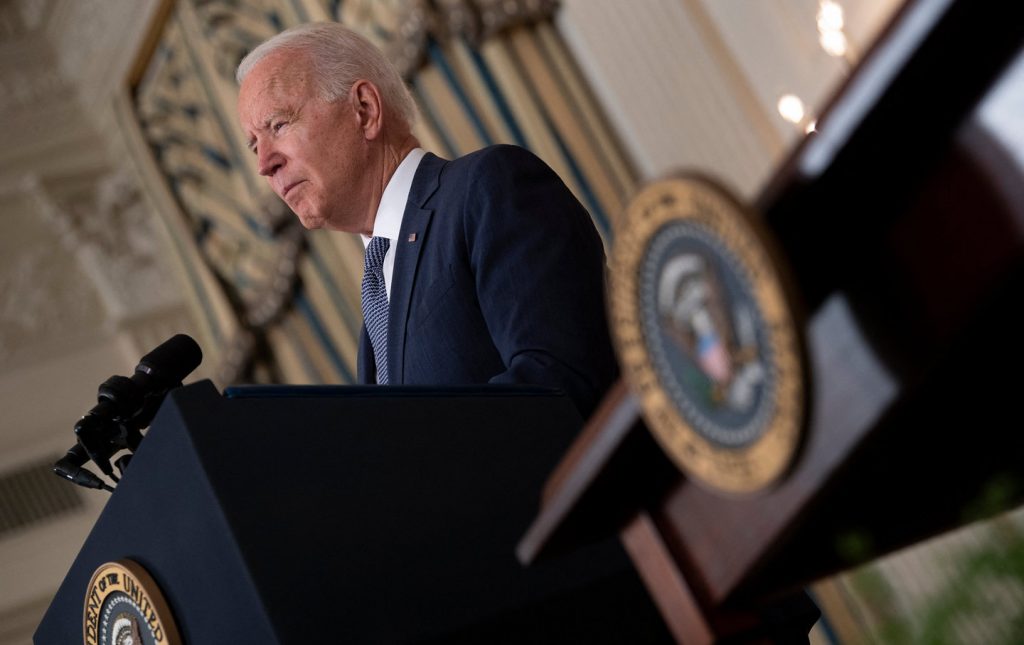
Instead, their focus is on cultural issues that tap into the raw emotions Trump unleashed throughout his presidency, and they are pushing these hot buttons:
- Crime, and the rise in crime violence in American cities. Over the weekend, there was a shooting outside National Stadium in Washington, where a ballgame was underway.
- Immigration, and whether the southern border is “out of control.” There have been as million arrests at the border this year, and over 180,000 in June – a 20-year high.
- Inflation, where there are sharply rising costs for petrol, housing, and some foods, and whether the massive Biden spending programs are fueling these price rises.
- Instability in Cuba and Haiti, and whether this will trigger as wave of refugees headed to Florida.
- Afghanistan, and whether the Taliban will take control over the country and threaten terrorism.
Republicans will take these culture war issues into next year’s elections.
Biden knows all this. He is focused. He knows what he wants to get done. And he believes he can.
-
 News3 days ago
Six nations pledge security for Strait of Hormuz
-
News3 days ago
Energy markets face turmoil from Iranian attacks
-
News3 days ago
Apple to earn over $1B in AI app fees
-
Tech3 days ago
Uber to invest $1.25 billion in Rivian robotaxis
-
Tech4 days ago
Australian scientists create world’s first quantum battery
-
News4 days ago
Germany and France warn against Iran war escalation
-
News4 days ago
Ocean heat drives ancient climate shifts, not CO2
-
News1 day ago
Oil prices surge on Middle East supply disruptions