

News
“Do something” on guns? It comes down to one political equation in Washington
Over 100 people are killed in America by gunfire every day. Half are suicides. Half are violent acts with guns as the weapon of choice. There are more guns in the country than America’s 330 million citizens and residents
Bruce Wolpe on ticker NEWS
The United States has not followed Australia, New Zealand, Norway, Canada, the UK and other countries who have moved aggressively to curb gun ownership in the wake of gun massacres in their countries.
More weekends will be filled as this one has been with the President and Vice President visiting scenes of tragedy in Uvalde, Texas and Buffalo, New York.
There is no end to the horror, the agony, the anger, the losses and the mourning.
Consider the words of two presidents. Biden from the White House last week:
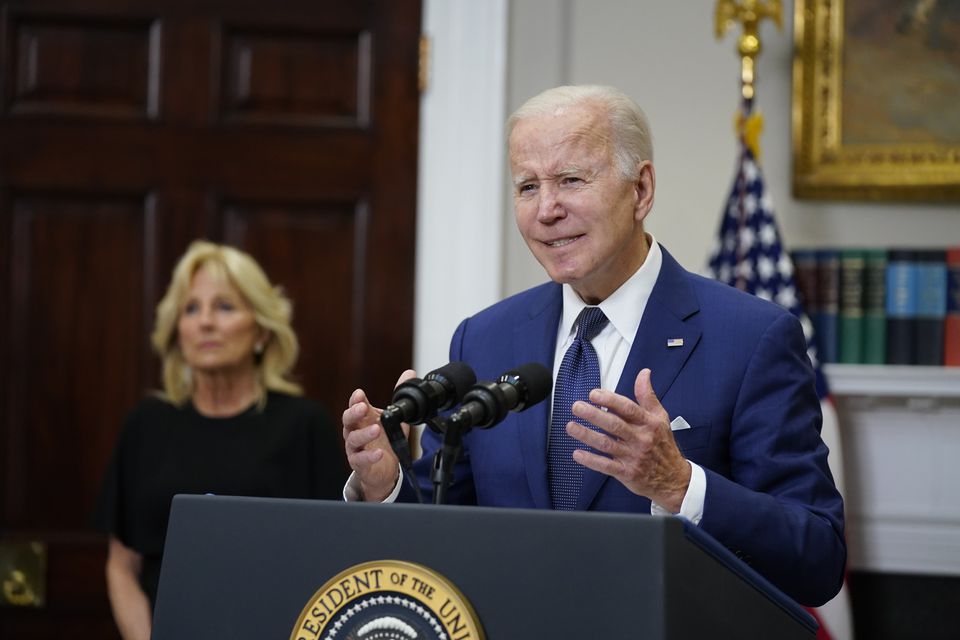
“As a nation, we have to ask: When in God’s name are we going to stand up to the gun lobby? When in God’s name will we do what we all know in our gut needs to be done? …Why are we willing to live with this carnage? Why do we keep letting this happen? Where in God’s name is our backbone to have the courage to deal with it and stand up to the lobbies?
It’s time to turn this pain into action. For every parent, for every citizen in this country, we have to make it clear to every elected official in this country: It’s time to act. It’s time — for those who obstruct or delay or block the commonsense gun laws, we need to let you know that we will not forget.”
And Trump who spoke at the National Rifle Association convention in Houston:
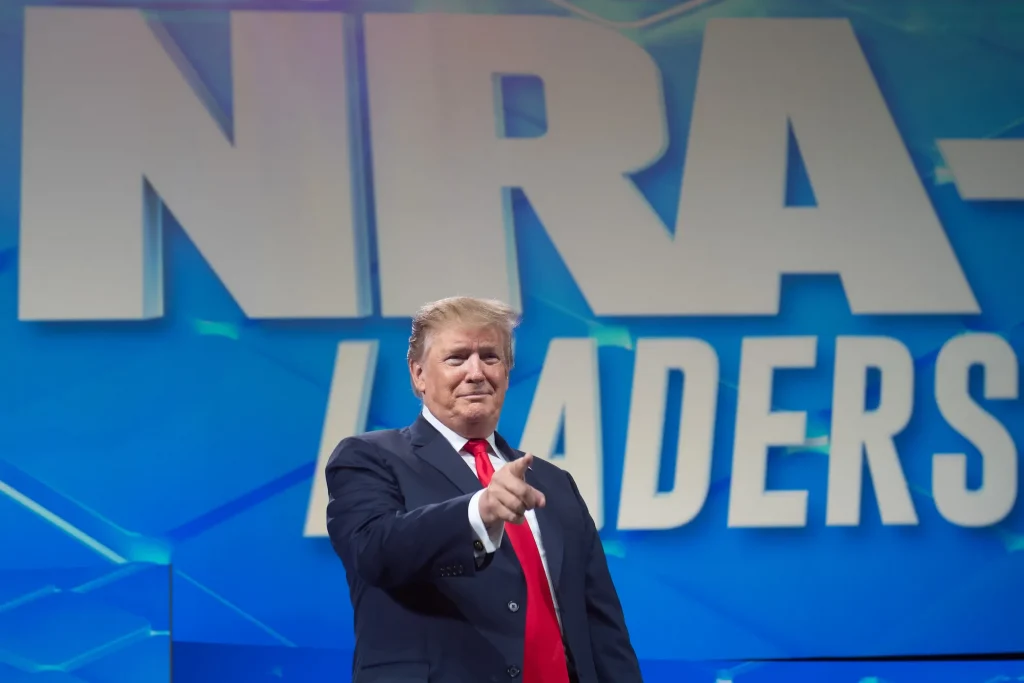
“Sadly, before the sun had even set on the horrible day of tragedy, we witnessed a now familiar parade of cynical politicians seeking to exploit the tears of sobbing families to increase their own power and take away our constitutional rights …In 2022, we are going to vote for tough on crime, pro-Second Amendment candidates in record numbers.
Get out and vote — make sure the voting is honest, by the way. Together we’re going to take back the House, we’re going to take back the Senate. And in 2024, we are going to take back that great and beautiful White House that we love and cherish so much.”
These are impossible chasms to bridge.
But some Senators are trying to get something accomplished. The bills seen as most compelling at this moment, when openness to “do something” is more serious with these tragedies still so raw, are to improve the system of background checks on purchasers of guns, and to have “red flag” systems that can remove guns from the hands of those who are under mental stress.
More attention is also being given to the argument to raise the age of purchasing a gun from 18 to 21. Florida passed such a law after the Parkland school massacre in 2018.
All these measures are popular with the American people by margins of 70-90% support.
But the gun lobby is not going to give a pass on any legislation.
And it will take 60 votes in the Senate to pass a bill – and that means 10 of the 50 Republicans in the Senate will have to vote” yes” for gun legislation.
For decades, the Senate Republican leader, Mitch McConnell of Kentucky, has prevented that from happening.
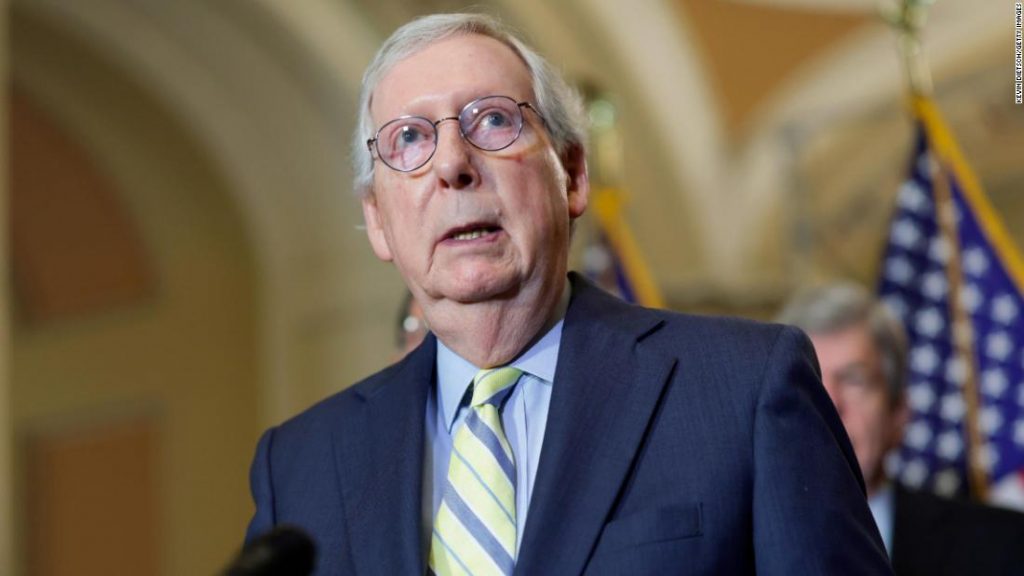
But Senator Chris Murphy of Connecticut, the leading lawmaker on gun control in Congress, believes there is a chance for progress this time. He said over the weekend:
“I am at the table in a more significant way right now with Republicans and Democrats than ever before—certainly many more Republicans are willing to talk right now than were willing to talk after Sandy Hook.”
Everywhere President Biden and members of Congress go, the shouts from the crowds are: “Do something!”
In Washington, this moral cause is governed by a raw political equation that has but one calculation:
Will Senators Chris Murphy and Mitch McConnell agree on a gun control bill and urge Senators support it? Without that, all the words, all the tears, all the memorial services will have failed to get Congress to “do something”—and finally act.
-
 News4 days ago
Saudi Arabia faces renewed missile and drone attacks
-
Shows4 days ago
Hospitality industry faces crisis with rising insolvencies
-
News4 days ago
Selma Blair arrested for in-flight incident aboard Delta
-
Shows4 days ago
Midkey offers flexible loans for homeowners accessing equity
-
News4 days ago
ATO targets trusts, leading to $13.3bn costs
-
News4 days ago
‘Russia is a fail safe’: Iran conflict mediation
-
News5 days ago
Iran rejects U.S. response on Strait of Hormuz
-
Ticker Views4 days ago
France’s student protests revive 1968 comparisons amid political tensions