News
How did Tokyo make it to the opening ceremony?

They are the Olympic Games that many people thought wouldn’t – or shouldn’t – happen.
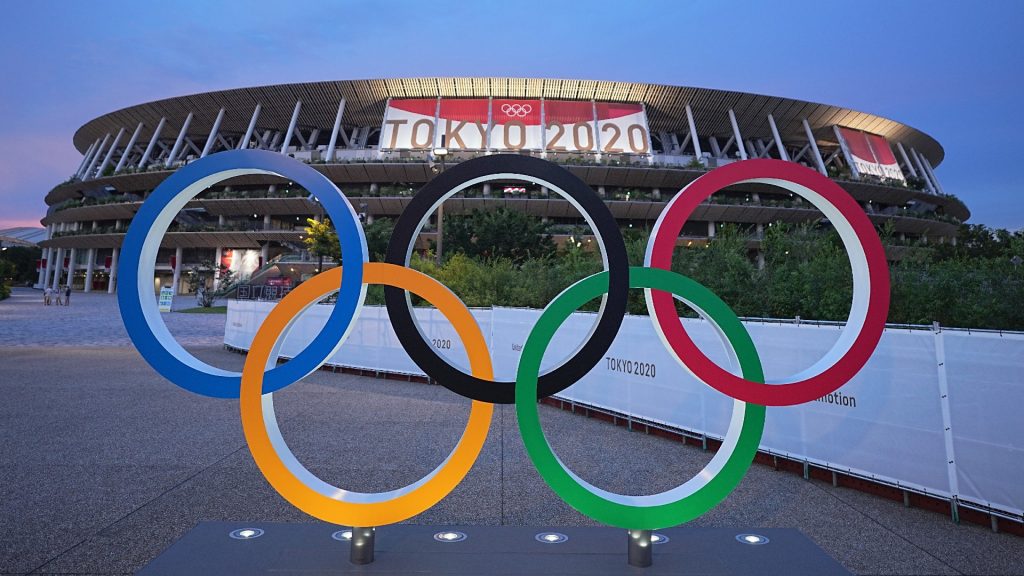
However, after a turbulent journey, the Tokyo Games are finally here.
After being put on hold by a pandemic, the most unique Olympic Games in history will officially begin today. Final preparations are taking place, ahead of the opening ceremony.
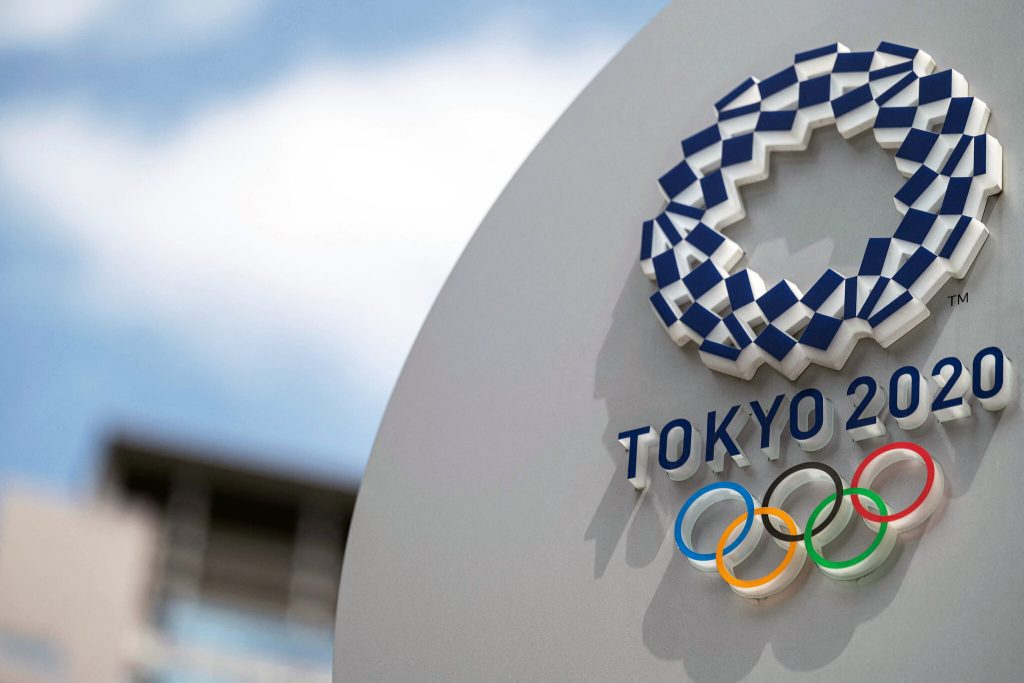
Shrouded in uncertainty, and marred by controversy and a cost blowout, the lead up to the games has also seen calls for them to be cancelled or delayed again.
“We had doubts every day. We deliberated. We discussed. There were sleepless nights,” according to IOC President Thomas Bach.
However, he claims says cancellation was never an option.
“The IOC never abandons the athletes.”
Thomas bach
But what about the host nation – where most people are opposed to the Games going ahead?
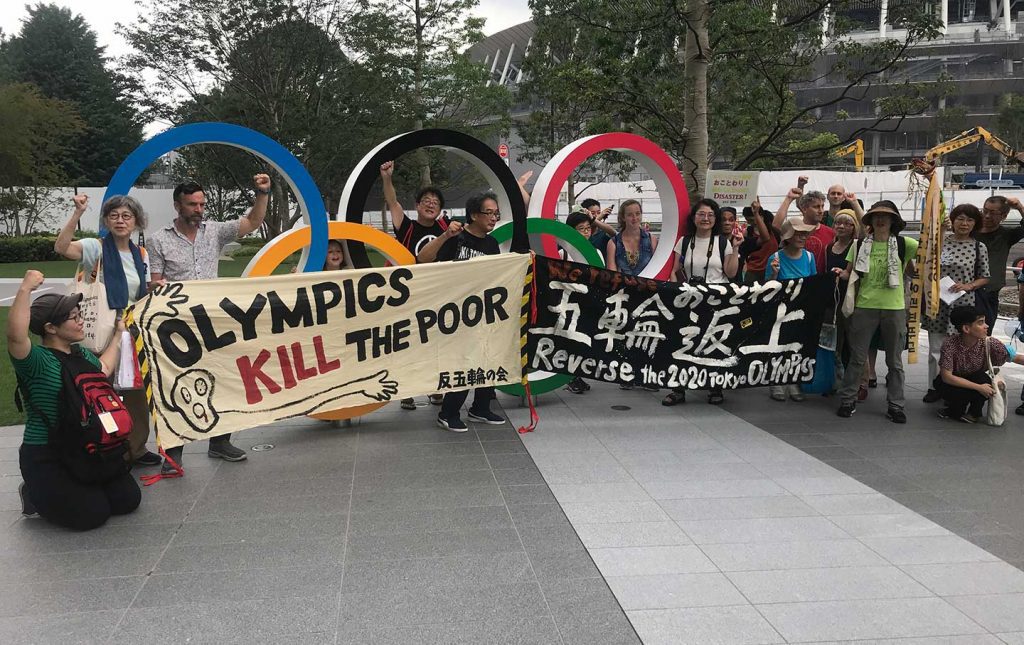
“Japan had an enormous positive output to olympics but that shifted after pandemic started,” Barbara Holthus, the editor of Japan Through the Lens of the Tokyo Olympics, tells Ticker News.
Still, organisers have repeatedly resisted calls to pull the pin.
Simon Denyer is The Washington Post’s bureau chief in Tokyo. He says there’s “indifference and in some cases outright hostility to these games happening here”.
Prime Minister Yoshihide Suga has promised to deliver a “safe and secure” event.
Do Japanese people actually believe that will happen?
Well, according to a recent poll, two-thirds of the population do not.
Some health experts have even expressed concerns that the Olympics could become a COVID-19 super-spreader event.
Sports economist Simon Chadwick wants organisers to embrace simple and clear messaging.
“Whether they like it or not, the organisers have got to strip this right back to some basic essentials and they need to make sure this is about safety, security, trust and respect”, he told Ticker News.
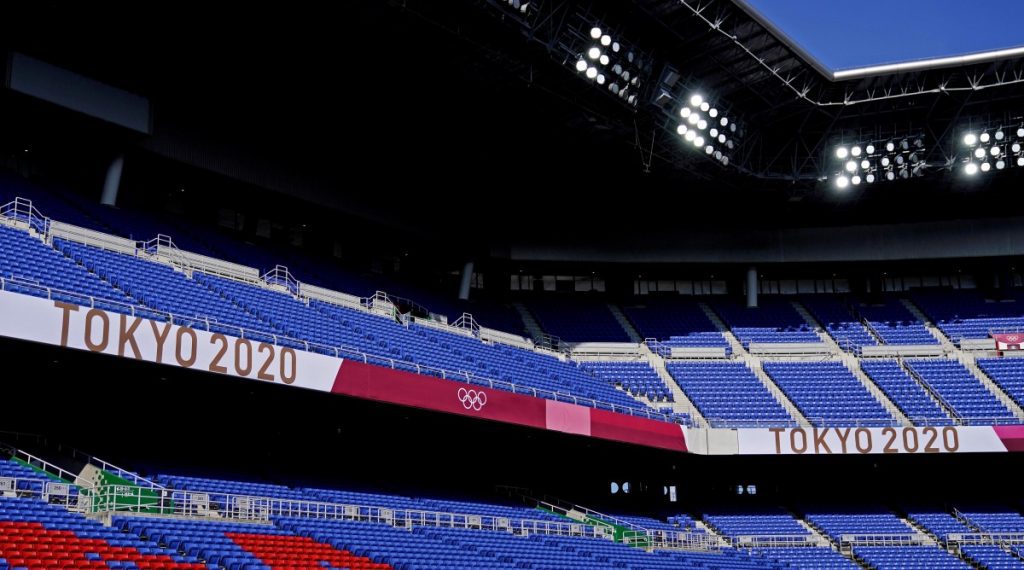
Just a month ago it was decided up to 10,000 fans would be allowed into venues.
That decision was reversed – with all spectators banned.
“There’s fences around venues, streets are closed off, it’s really separated from the population. There isn’t any sense of excitement I can discern in the city about the olympics,” according to Simon Chadwick.
The jam-packed Games will feature 339 medal events across 42 venues with more than 11,000 athletes expected to compete.
Former Olympic swimming champion Grant Hackett hopes once the sports spectacle begins, the magic of the Games will return.
“A lot of people are inspired about what a human being can do and hopefully that inspiration, gives inspiration back to community across the world,” he told Ticker News.

-
 News4 days ago
Nvidia supports Chinese AI amid U.S. concerns
-
News4 days ago
Yayoi Kusama, influential Japanese artist, dies at 97
-
News4 days ago
Warsh faces pressure on inflation’s status and solutions
-
News4 days ago
Himalayan flood risks prompt urgent warnings
-
Shows4 days ago
Exploring the complexities of early childhood education in Australia
-
Shows11 hours ago
Parenting insights on motivation and fostering resilience
-
News12 hours ago
Europeans oppose Russia’s G20 participation
-
News2 days ago
U.S. forces strike Iranian launchers on Larak Island