

Money
Will Indonesia’s ‘Work From Bali’ save the island? | TICKER VIEWS

Indonesia is launching the ‘Work From Bali’ program to revive the Island’s battered economy – but will it go far enough?
The Indonesian Ministry of Tourism and Creative Economy has announced their upcoming ‘Work From Bali’ scheme, which will allow public servants to live and work in Nusa Dua. The program will send 25 per cent of Indonesian public servants from seven different Indonesian ministries to live and work from hotels in Nusa Dua. This comes in an effort to boost tourism on the island.
“We hope that with the arrival of government and state-owned company employees, the gears of Bali’s economy will start moving.”
Hermin Esti Setyowati, ministry of Tourism and Creative Economy

As Bali suffers, does ‘Work From Bali’ go far enough?
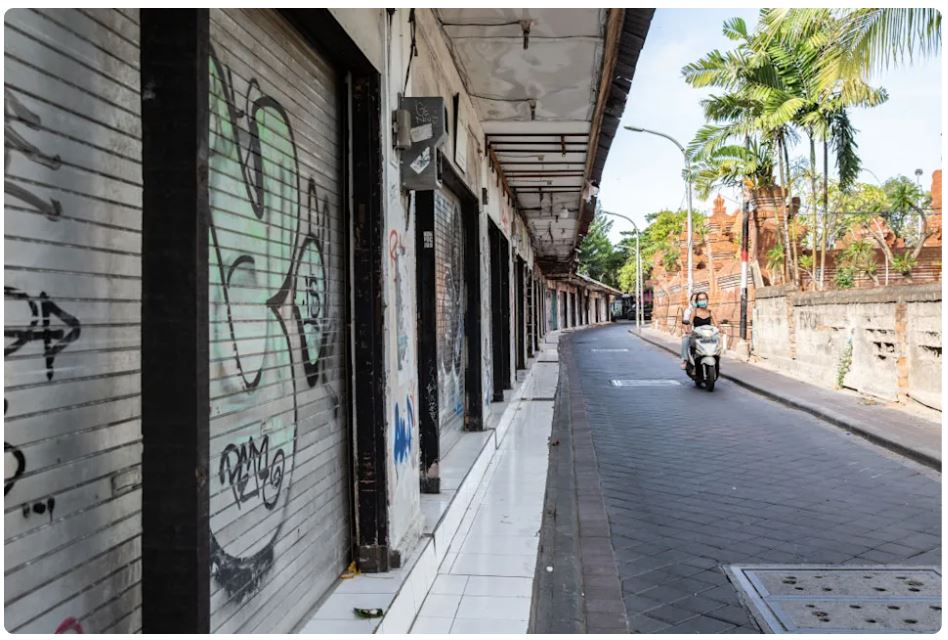
The COVID pandemic hasn’t been easy for any of us, but it’s been tougher on Bali than most. International travel bans brought tourism in Bali to a jarring halt.
Official figures released by the Indonesian government suggest over 80% of Balinese locals have been impacted as a result of the island’s COVID tourism slump.
The tourism industry is crucial to Bali’s economy, with many locals relying on international guests for income. In 2019, 6.3 million international tourists visited the island. In 2020, that number dropped to about 1 million.
This year, the island welcomed just 25 foreigners from January to March. Last year 1.1 million tourists visited the island in the same period. The pandemic has seen more than 4.3 million Balinese people out of work.
Will the scheme help the people who need it?
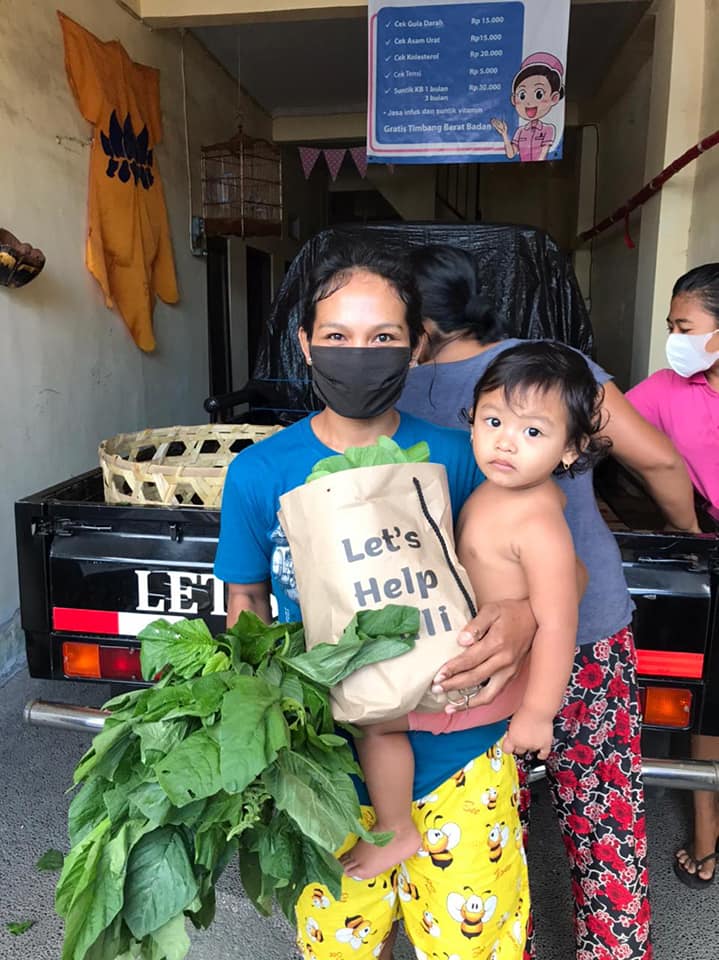
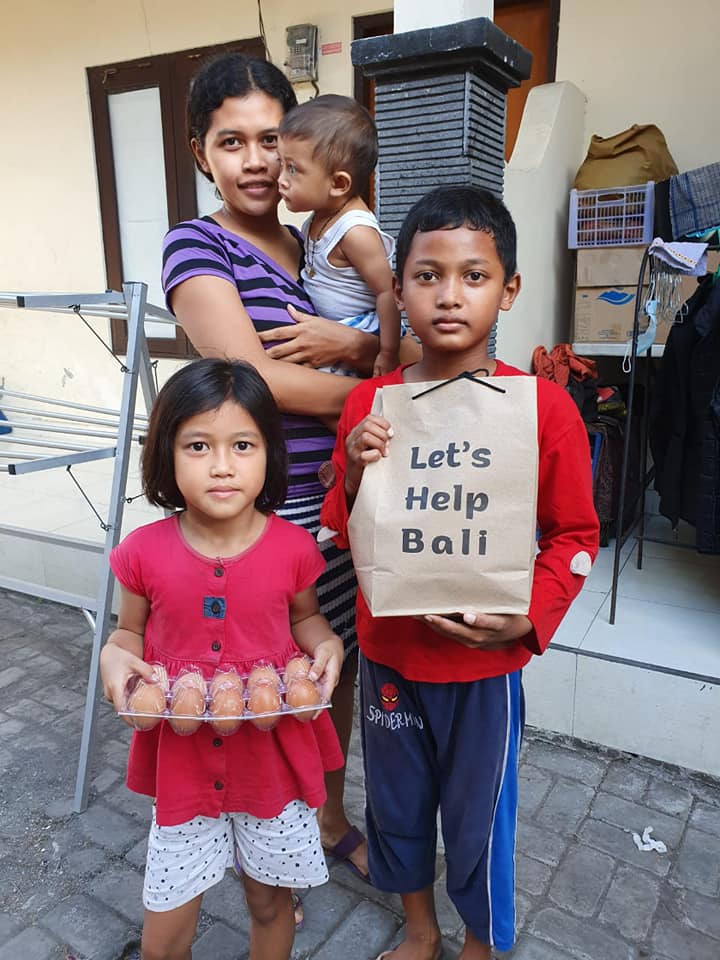
Australian expat Amanda runs the ‘Let’s Help Bali’ Facebook group, which has almost 14,000 members. She explains that many Balinese locals leave their villages to get jobs in tourism, which are more often than not in the city.
“This means the impact doesn’t just affect that immediate person but the whole family who rely on that income,” she told Ticker NEWS.
Amanda says she thinks the scheme “will help very few people”, and the Indonesian government needs to reopen Bali’s borders to support locals in a meaningful way.
“Until the borders are open, I don’t see much changing here,” she said.
“Bali needs help from everywhere”
While support for the program isn’t universal, it appears as though everyone can agree that Bali is suffering. Ketut Ardana, Vice Chairman of the Bali Tourism Board, says the Work From Bali program is a step in the right direction, it doesn’t go far enough.
Health risks of COVID
Despite these efforts to reopen Bali to tourists, COVID remains an issue on the island with almost 2 million total cases, and over 500 active cases.
Nusa Dua is one of Indonesia’s three “green zones,” where the vaccination roll-out has been prioritised. Local newspapers have reported more than 8,000 staff in Nusa Dua, have received a second dose of the vaccine.
Ketut Ardana says he’s “not worried” about the potential health risks of opening borders for travel.
“We are ready and safe to receive tourists,” he said.
-
 Ticker Views3 days ago
Artemis II crew will endure 3,000°C on re‑entry
-
News5 days ago
North Korea tests cluster warhead on missile
-
News4 days ago
OpenAI introduces $100 monthly ChatGPT Pro subscription
-
Leaders5 days ago
Australia raises over $3 million for Middle East crisis
-
Money4 days ago
Ceasefire impacts on global energy and markets
-
News4 days ago
Trump threatens military action if Iran non-compliant
-
Tech4 days ago
Meta partners with CoreWeave for $21 billion deal
-
Tech4 days ago
Anthropic’s appeal to block Pentagon blacklisting denied