
News
Ukrainian ambassador reminds Russia that Kyiv has 15 nuclear reactors

The Ukrainian ambassador to Australia, Volodymyr Shalkivskyi, warns Russia against attack
The Ukrainian ambassador to Australia, Volodymyr Shalkivskyi, warns Russia against attacking Ukraine, telling ticker NEWS that the consequences would be fatal.
Shalkivskyi says that Ukraine has 15 nuclear reactors and that “should something go wrong with Russian military strategies” – the consequences of a Russian invasion would be devastating for both nations.
The future of a “Liberal democracy”
The ambassador stressed that his nation is prepared to defend itself against its neighbour as he stressed his people “wanted to live in a liberal democracy”
“We will fight and we will defend our country with international assistance or without international assistance,” he says
“It’s our country, we are doing our best in order to defend it,”
Shalkivskyi highlighted his appreciation to the West and thanked Ukraine’s allies for their support to de-escalate rising aggression from Russia.
“We are grateful for all assistance that we receive from our international partners that can boost our deference capabilities.”
Not wanting to speculate, Shalkivskyi wanted to remind Russia that if a Ukraine nuclear reactor is accidentally set off, results would be cataphoric.
“We have 15 nuclear reactors on our territory, if something goes wrong with calculations over Russian military strategies and missiles hit one of the reactors, there may be very different consquences,”
he tells ticker news
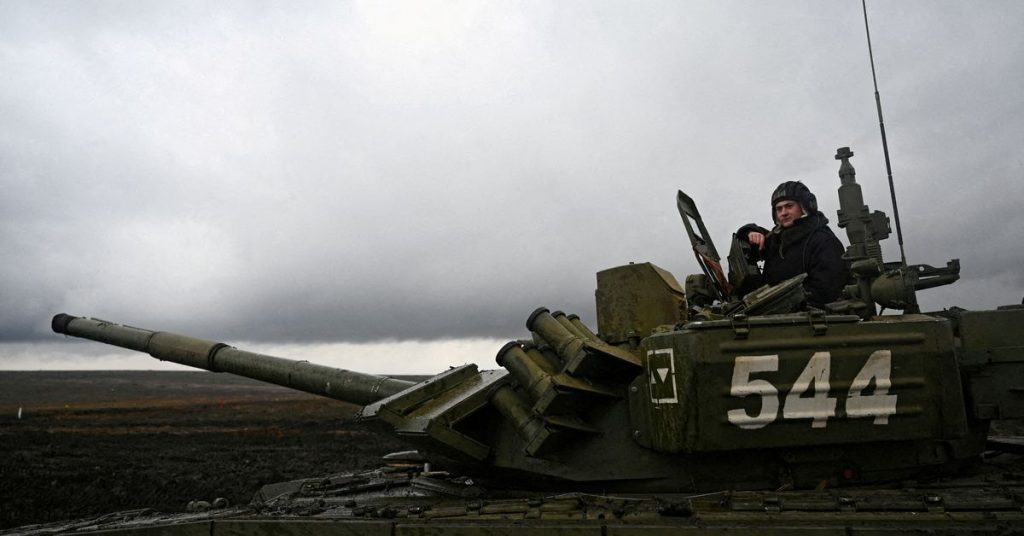
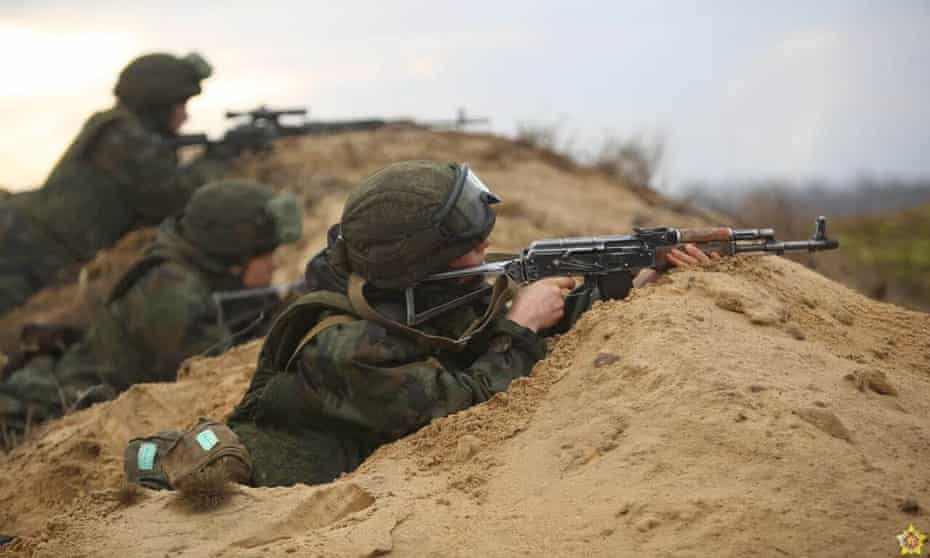
Speculation has been building that Russia is planning an attack on Ukraine, despite Moscow stating that troops have begun returning to base.
The United States and other Western leaders say they are awaiting to see the proof that the Kremlin has withdrawn forces.
Journalist Julian Röpcke on Thursday told ticker NEWS that Russia’s claims that armed forces had been pulled out of Crimea is “propaganda” and instead, the Russian Government was “simply relocating them to other areas of the Ukraine border”
NATO weighs in:
Russia’s defence ministry published video of military vehicles leaving the Crimean peninsula – an area Moscow seized from Ukraine in 2014, something that NATO too, does not believe.
With Russia announcing a partial pull back of forces, the alliance has accused Russia of in fact sending more troops to the border.
“They have always moved forces back and forth,” Secretary General Jens Stoltenberg revealed. “So just that we see movement of forces of battle tanks doesn’t confirm a real withdrawal.
“It has been a big up and down, back and forth, all the way, but the trend over the last weeks and months has been a steady increase in the Russian capabilities close to Ukraine’s borders.
“So Russia retains the capability of a full-fledged invasion of Ukraine without any warning time.”
On Thursday, reports suggested Moscow had deployed an additional 7,000 troops to the border, with speculation that an invasion could happen at any given moment.
Written by Savannah Pocock

-
 News2 days ago
Six nations pledge security for Strait of Hormuz
-
News2 days ago
Energy markets face turmoil from Iranian attacks
-
News2 days ago
Apple to earn over $1B in AI app fees
-
Tech2 days ago
Uber to invest $1.25 billion in Rivian robotaxis
-
Tech3 days ago
Australian scientists create world’s first quantum battery
-
Tech5 days ago
How AI is reshaping Australia’s job market
-
News5 days ago
U.S. and Israel strikes on Iran escalate tensions
-
News3 days ago
Germany and France warn against Iran war escalation