
News
The Queen’s final journey, as millions pay tribute


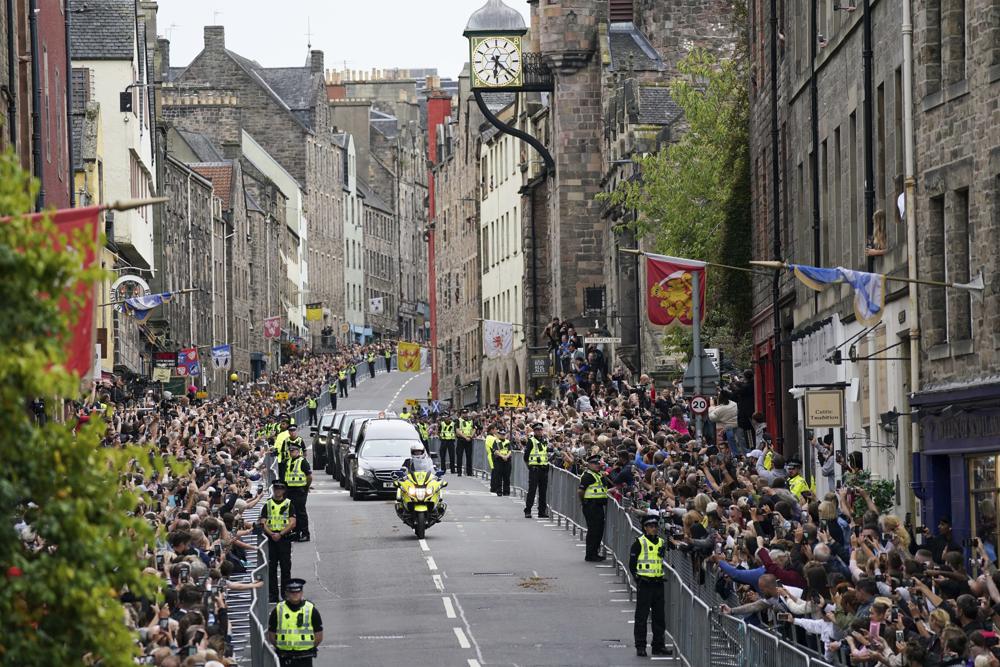
The Queen’s coffin has arrived in Edinburgh, after a six-hour journey from Balmoral Palace through Scotland
The Queen is on her way to her final resting place in London. Thousands of people lined the streets of Scotland to witness the sad but historic moment.
Many farmers formed a guard of honour. Crowds applauded as the Queen’s coffin was slowly driven along the Royal Mile in Edinburgh to the Palace of Holyroodhouse.
The coffin will remain at Holyroodhouse overnight and will proceed to St Giles’ Cathedral on Monday afternoon.
The coffin will remain under continuous vigil for 24 hours, with the public able to pay their respects, with viewings around the clock.
Her Majesty’s coffin will then be flown from Edinburgh to London on a Royal air force flight, with her daughter Anne by her side.
From here, the coffin will move from Buckingham Palace to Westminster Hall, and lie in state, until the morning of the funeral on September 19.
King Charles III
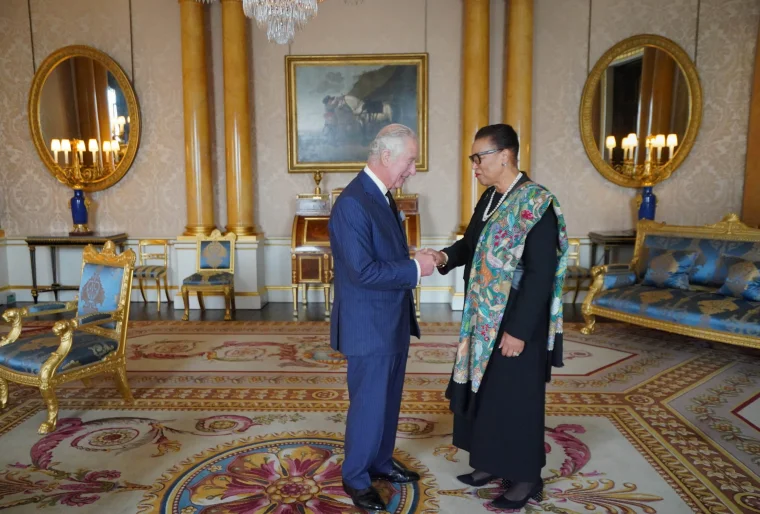
Meanwhile, King Charles the third has hosted an audience with Commonwealth General Secretary Patricia Scotland at Buckingham Palace.
The new King met with with representatives from the Commonwealth as he takes on the role as head of the union.
He left Buckingham Palace to cheers from the crowds.
On Monday he will visit Westminster Hall, where both Houses of Parliament will meet to express their condolences.
Tributes to Her Majesty
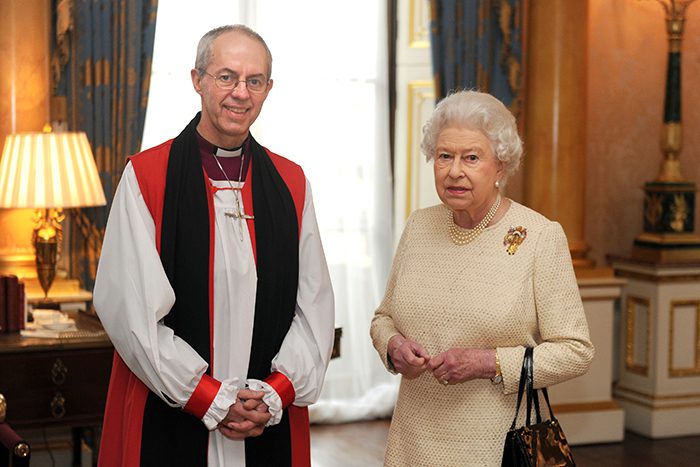
The Archbishop of Canterbury paid his respects to the late Monarch.
“[People were] always struck by her ability to make them feel as though they were the most important, the only person in the room, the only person in the street, in the crowd…
Both Her late Majesty and His Majesty treat others as special because, for both, their faith is built on the same rock – the rock of Christ…
This is a moment of deep grief, indeed. As Her Majesty said herself, grief is the price we pay for love.”
ARChbishop of canterbury, Justin welby
In Wales, Welsh politicians have also stopped to reflect on the life of their Queen.
First Minister Mark Drakeford says the monarch’s “personal commitment to Wales and its democratic institutions” was extraordinary.
The reflection follows a proclamation ceremony in Cardiff, with the proceedings beginning with a minute’s silence.
Drakeford says the Queen lived a “remarkable life” with an “overriding sense of duty”.
Meanwhile, a number of sporting champions have also paid their respects to Her Majesty.
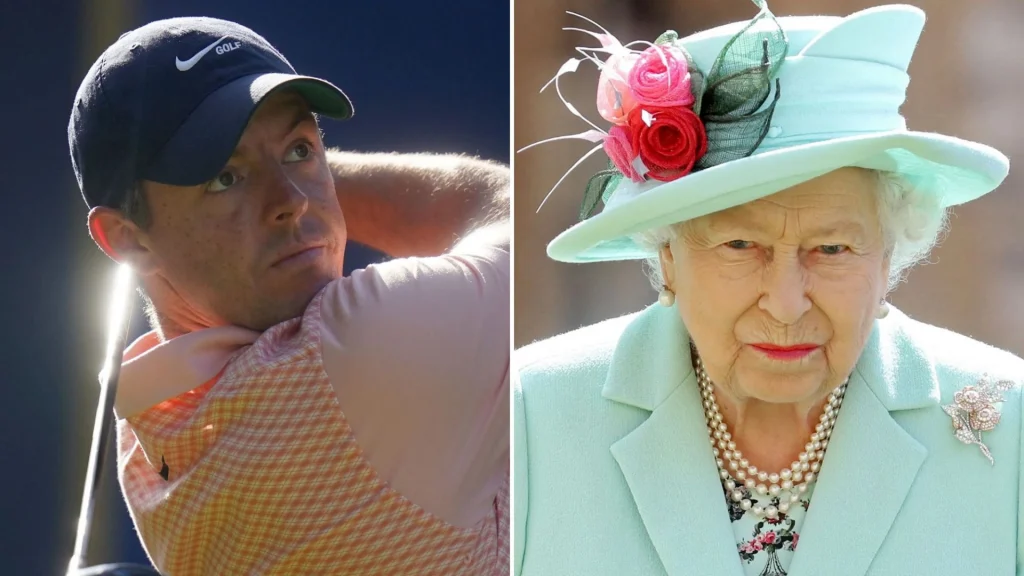
Golfer Rory McIlroy recalled the last time her met with her, saying it was a ‘wonderful’ moment.
If there’s one thing the Queen is good at its bringing people together.
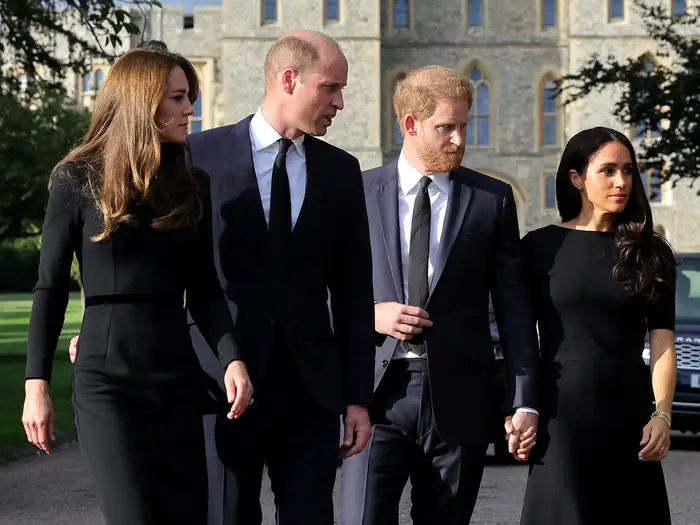
Prince William and Harry reunited to show their respects and greet well-wishers outside Windsor Castle.
Alongside their wives Catherine and Meghan, it is the first time the couples have been seen together in months.
In a show of solidarity, they spent time thanking the people who loved their grandmother.
It follows Prince William pledging his support to King Charles.
Marmalade farewell
And you might remember that time when Paddington Bear met the Queen. Well-wishers have left a marmalade sandwich amongst the flowers for the Queen’s final trip.

There are more heavy hearts than you could ever count, as thousands pay their respects.
At London Bridge, Musician, Anna Lapwood, spontaneously stopped at the station organ to play for the Queen, when security guard, Marcella, asked to join in.

News
Israel strikes Tehran anew as conflict escalates and global markets react
Israel strikes Tehran after Khamenei’s death; U.S. warns of prolonged conflict as tensions escalate in the Middle East.

Israel strikes Tehran after Khamenei’s death; U.S. warns of prolonged conflict as tensions escalate in the Middle East.
Israel has launched a new wave of strikes on Tehran, following the reported killing of Iran’s Supreme Leader, Ali Khamenei. U.S. President Donald Trump has warned the campaign could last up to a month, framing the operation as a move to prevent Iran from acquiring nuclear capabilities.
Iran has retaliated with missile attacks, while its Revolutionary Guards claim responsibility for assaults on oil tankers in the Gulf. The escalating hostilities are already disrupting global shipping lanes and air travel, sending shockwaves through international markets.
With reports of the first U.S. casualties emerging and Washington declaring the Tehran operation a success, tensions across the Middle East are intensifying rapidly. The question now is how far this conflict could spread — and at what cost.
Subscribe to never miss an episode of Ticker – https://www.youtube.com/@weareticker
#Israel #Iran #Tehran #MiddleEastConflict #Geopolitics #OilMarkets #BreakingNews #GlobalSecurity

News
U.S. and Israel strike Iran as missiles hit Gulf bases and oil surges
U.S. and Israel launch major military operation against Iran; tensions rise as conflict escalates, impacting global markets.

U.S. and Israel launch major military operation against Iran; tensions rise as conflict escalates, impacting global markets.
The United States and Israel have launched a sweeping military operation against Iran, striking leadership targets and more than 500 military sites in what President Trump has dubbed Operation Epic Fury.
Explosions have rocked Tehran, with civilians fleeing the capital as U.S. sea and air assets carry out sustained attacks. Washington says the mission is designed to prevent a nuclear armed Iran and has even called on Iranians to rise up against the regime.
Iran has retaliated with a barrage of missiles and drones targeting Israel and U.S. bases across the region, including in Qatar, Kuwait, the United Arab Emirates and Bahrain. While many projectiles were intercepted, a U.S. base in Bahrain sustained damage.
Gulf states long seen as stable hubs for global business are now directly in the firing line, raising fears of a wider regional war.
Oil prices are climbing and tankers are diverting from the Strait of Hormuz as markets react to the escalating conflict. U.S. aircraft carriers, advanced fighter jets and missile destroyers remain in position, signalling more strikes could follow.
With global leaders scrambling diplomatically, the world is watching to see whether this spirals further or shifts back to negotiations.
-
 Tech4 days ago
Meta launches lawsuits over alleged scam advertising operations
-
Money5 days ago
Australia’s inflation report and Nvidia earnings impact explained
-
News2 days ago
Crude oil prices spike amid U.S.-Israel military action
-
News2 days ago
Iran warns ships to avoid Strait of Hormuz
-
News2 days ago
U.S. and Israel attack Iran, escalating regional conflict
-
News19 hours ago
Iran live updates: Trump claims Khamenei dead as Iran insists he remains in command
-
Tech5 days ago
Nvidia earnings soar as AI drives 75% revenue growth
-
News5 days ago
Qantas announces 8,500 jobs and frequent flyer changes