News
The cold war strikes back
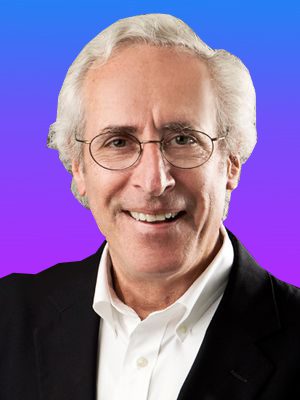
Joe Biden’s foreign policy as president has two signature declamations:
- America is back – as the leader of NATO and as the leader of the Free World. In his first address to a global audience, Biden said:
“America is back, the transatlantic alliance is back I know the past few years have strained and tested the transatlantic relationship. The United States is determined to reengage with Europe, to consult with you, to earn back our position of trusted leadership.”
- At the Munich security conference a year ago – the same conference where, over the weekend, Ukraine’s President Zelensky, pleaded for his country’s freedom and independence from Russia – Biden said:
“We are in the midst of a fundamental debate about the future and direction of our world. We’re at an inflection point between those who argue that, given all the challenges we face – from the fourth industrial revolution to a global pandemic – that autocracy is the best way forward, they argue, and those who understand that democracy is essential – essential to meeting those challenges.”
Biden has been true to these bedrock principles as he faces the prospects for war to return to Europe after 75 years.
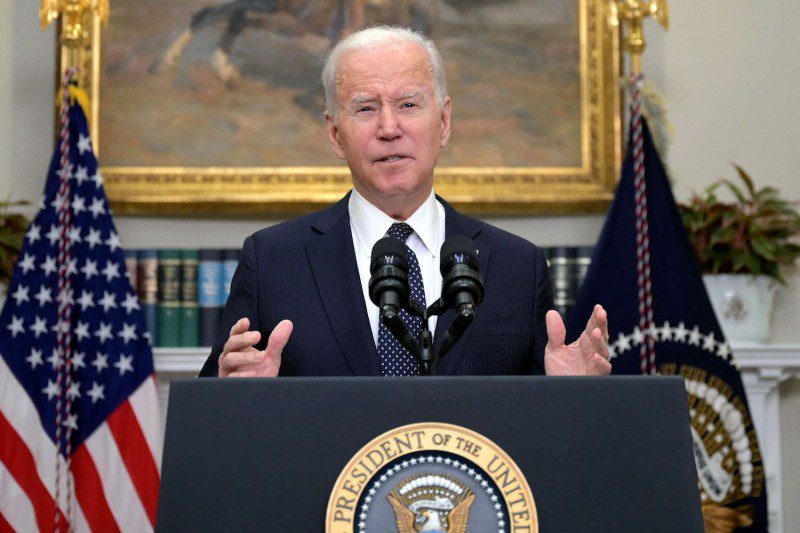
In meeting this crisis, NATO has never been stronger – or more united.
NATO’s military forces have stepped up. Arms are flowing into Ukraine to help repel a Russian invasion.
Differences over the scope and stringency of sanctions if Russia invades have been bridged. All of NATL is all in on protecting Ukraine’s rights to determine its future – including a future with NATO in the years ahead.
The heart of this crisis indeed is perched on the fault-line between authoritarianism versus democracy.
Putin is not exporting Soviet communism; he is projecting power. So of course he would witness a nuclear weapons test exercise on Saturday with the president of Belarus – who stayed in power by crushing the movement supporting three women whose movement won the presidency in an election last year.
The Cold War is back thirty years after the Soviet Union died.
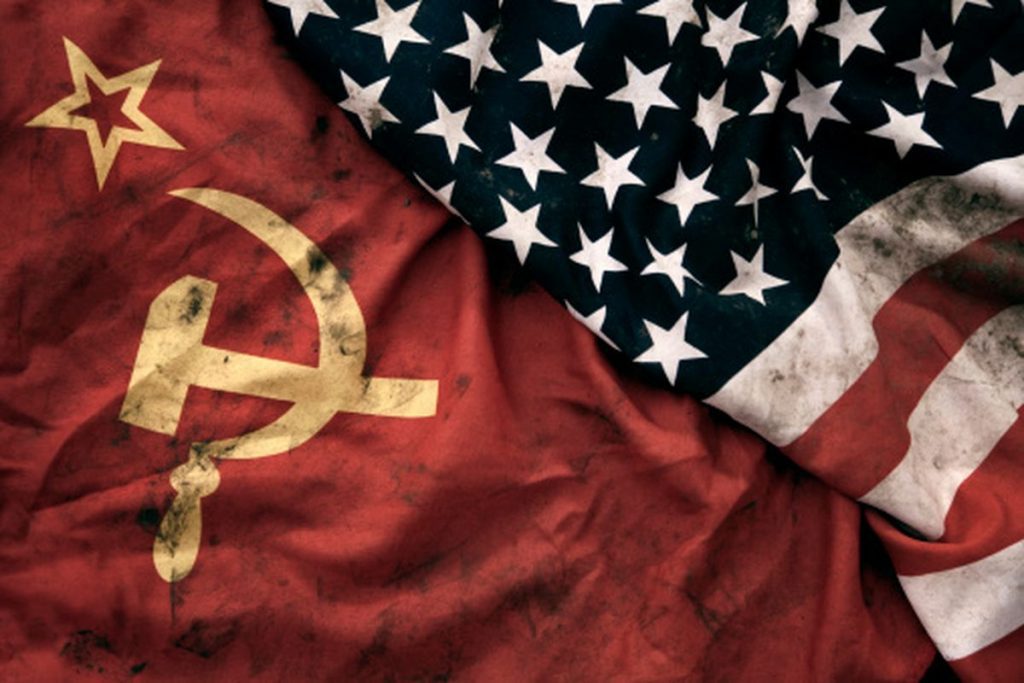
We are reliving its brinkmanship. The most frightening Cold War crisis was over the Soviet Union’s placement of nuclear missiles in Cuba, just 90 miles off Florida.
President Kennedy’s UN Ambassador, Adlai Stevenson, showed the U2 spy plane photos to the world in the UN Security Council. There was no doubt even as the USSR’s leaders lied about what they had done.
As we reach an era where private companies launch people into space, so private satellite imaging companies, such as Maxar Technologies, have replaced CIA satellites and Air Force spy planes.
The stationing of 150,000 Russian troops around Ukraine, the building of pontoon bridges for tanks, are all there is living colour.
Authoritarian Russia can hide at home, but nowhere else. In the Security Council last week, Secretary of State Antony Blinken showed the evidence and coalesced world opinion.
Twenty years ago, US Secretary of State Colin Powell also went to the Security Council, with intelligence that was devastatingly wrong. Saddam Hussein was not building and did not have weapons of mass destruction – which was the justification for the US (and allied, including Australia) invasion of Iraq.
Years later, Powell acknowledged the tragic mistake that he contributed to.
“It turned out, as we discovered later, that a lot of sources that had been attested to by the intelligence community were wrong. It has blotted my record, but you know, there’s nothing I can do to change that blot. All I can say is that I gave it the best analysis that I could.”
Memories are long, and Blinken understood this perfectly in the UN last week as he presented the evidence against Russia:
“Now, I am mindful that some have called into question our information, recalling previous instances where intelligence ultimately did not bear out. But let me be clear: I am here today, not to start a war, but to prevent one. The information I’ve presented here is validated by what we’ve seen unfolding in plain sight before our eyes for months.”
Biden said over the weekend: “We’re calling out Russia’s plans loudly, repeatedly, not because we want a conflict, but because we’re doing everything in our power to remove any reason that Russia may give to justify invading Ukraine, and prevent them from moving”
But it is likely not enough.
In the 60s and 70s, the Cold War embraced China too. Today’s Cold War is no different.
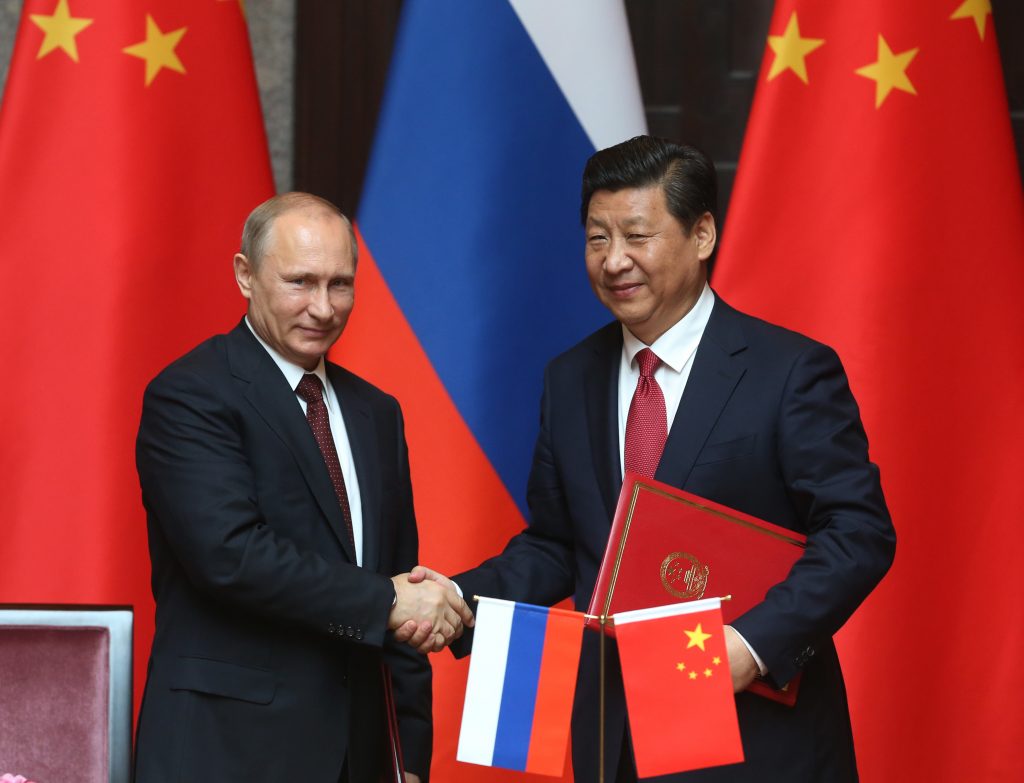
For Putin and China’s Xi, they see a weak America and a weak American president. One of Australia’s great defence and intelligence scholars, Hugh White of ANU, had these words last week on China and Taiwan:
“It was always a little hard to believe either America or China would really risk a war over the rocks and reefs of the South China Sea… To repeat, neither side wants a war.
So, as the next Taiwan crisis unfolds, both sides will have a big incentive to talk and act as if they are prepared to fight, hoping and expecting that this will deliver them a costless victory by making the other side back down.
But there is a fair chance they will both be wrong about this. Both will face a disastrous choice between humiliation and war. In such situations, leaders in the past have often chosen war. This is how wars happen despite neither side wanting or intending them.”
Substitute “Ukraine” for “Taiwan” and “Russia” for “China” and it is crystal clear that the Cold War strikes back.
-
 News5 days ago
Ben Roberts-Smith arrested for war crimes allegations
-
Ticker Views2 days ago
Artemis II crew will endure 3,000°C on re‑entry
-
News3 days ago
North Korea tests cluster warhead on missile
-
Shows5 days ago
Melbourne property market analysis: value, challenges, and growth
-
Tech4 days ago
Apple shares drop on foldable iPhone delays
-
News2 days ago
OpenAI introduces $100 monthly ChatGPT Pro subscription
-
Leaders3 days ago
Australia raises over $3 million for Middle East crisis
-
News4 days ago
Iranian hackers escalate attacks on U.S. infrastructure