Money
‘Shop like a billionaire’ – but is Temu safe?

If you’re active on social media or use Google Shopping, you’ve likely encountered ads for Temu.
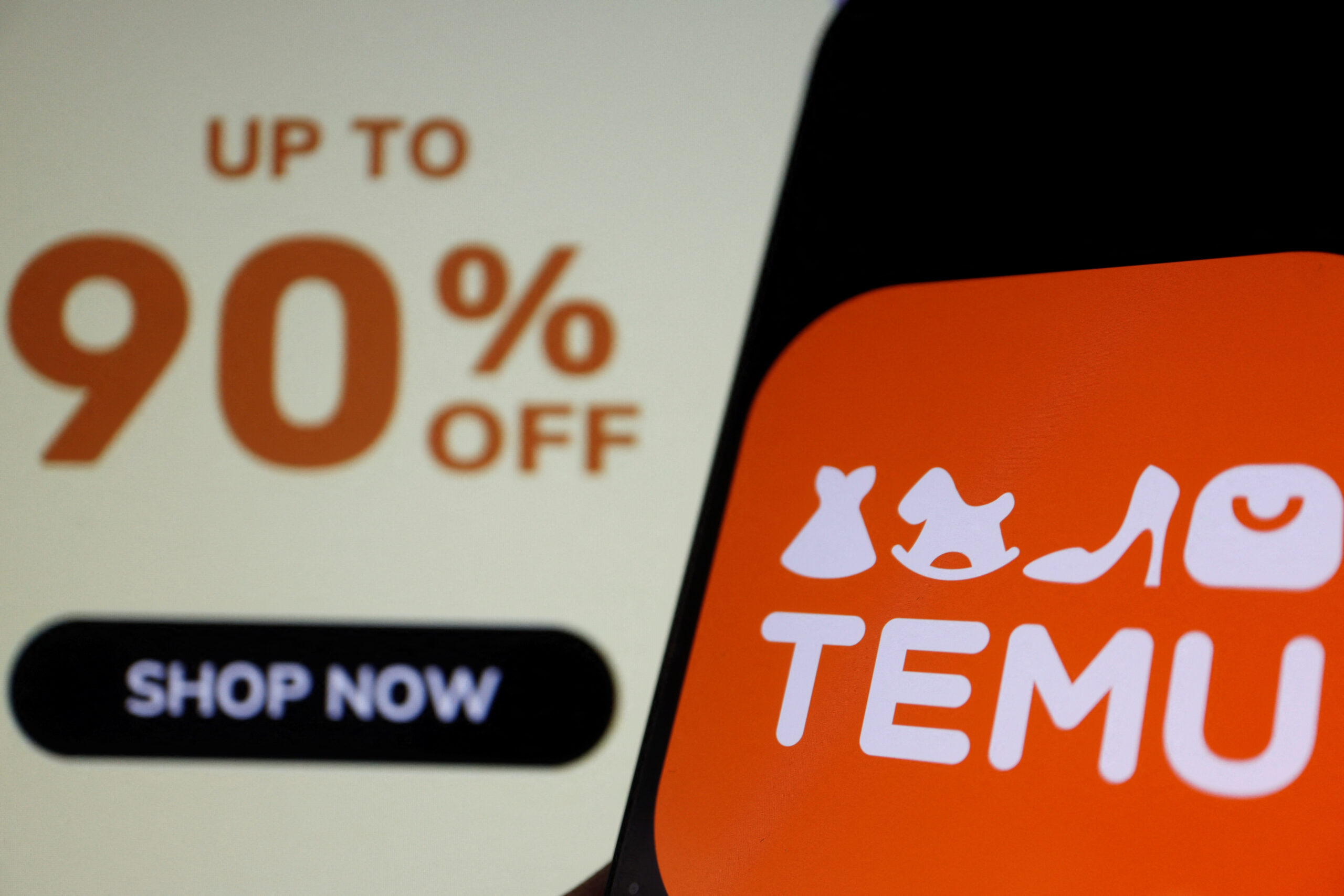
Temu is a Chinese e-commerce marketplace that boasts incredibly low prices compared to Western equivalents.
Sports shoes for $6?
A computer keyboard for $10?
These eye-catching deals have attracted many Western shoppers seeking to save money in the face of rising inflation, making Temu the most downloaded shopping app worldwide.
However, concerns about the environmental impact, product safety, and the legitimacy of Temu have also arisen.
What Is Temu?
Temu, the Western-branded arm of Chinese online retail giant Pingduoduo, allows shoppers to buy directly from Chinese manufacturers known for their cost-effectiveness.
The platform also offers users opportunities to earn credits for future purchases, either through spin-the-wheel games or by referring others to join the site.
However, not all is rosy, as customer reviews paint a less-than-stellar picture.
Temu holds just a 2.5/5 rating on the US Better Business Bureau (BBB) website, and one-third of Trustpilot reviews give it only one star.
Customers have expressed concerns about spam in their inboxes, difficulties in obtaining refunds, and receiving items in poor condition or not at all.
There are also worries about the potential use of forced labor in Temu’s supply chains.
Data risks
A US government agency has raised concerns about data risks associated with Temu and another Chinese retailer, Shein, echoing previous worries about the data practices of Chinese-owned online services like TikTok.
It’s important to note that these issues do not necessarily brand Temu as a scam site.
Nevertheless, where there are users, fraudsters tend to follow, attempting to deceive unsuspecting consumers through the popular Chinese retailer.
Top 5 Temu Scams
Here are some of the most common scams observed on Temu:
1. Nude Celeb “Leaks”: Scammers lure users into entering their referral code for cash or rewards by posting enticing but fake offers of celebrity nudes accessible via the code. However, there are no actual images, and scammers simply accumulate more referrals.
2. Fortnite/Roblox Benefits: Similar to the previous tactic, scammers claim users can access free Roblox Robux gift cards or rare Fortnite skins by entering a referral code on Temu. These offers are bogus, exploiting users’ curiosity and the platform’s relatively low visibility.
3. Duplicate Products: While Temu itself may not list counterfeit products, there have been reports of duplicate items resembling patented products closely. Unwary shoppers may end up with items that don’t meet their expectations.
4. Celeb Merchandise: Scammers create fake social media posts from celebrities, implying they have partnerships with Temu to promote discounted merchandise. Users are urged to visit the site and enter a referral code, but there is no such deal.
5. 90% Off Scams: Unsolicited emails and website ads promise substantial discounts on a wide range of Temu-listed products. Clicking through leads to phishing sites, where scammers collect payment card information, leaving buyers empty-handed.
By staying vigilant and taking precautions, you can enjoy the special deals and low prices that Temu offers while protecting yourself from potential scams.
Remember, while Temu itself may not be a scam, fraudsters may attempt to exploit it to defraud shoppers.
-
 News4 days ago
Nvidia launches platform to prevent rogue AI agents
-
News17 hours ago
California subpoenas OpenAI over cybersecurity issues
-
Ticker Views5 days ago
US-China AI Summit ends without the breakthrough many expected
-
Money4 days ago
Wall Street declines as oil, bond yields rise
-
News17 hours ago
Labor targets rogue agents profiting from visas
-
News5 days ago
Australian cabinet to discuss OpenAI breach
-
Shows4 days ago
AI’s evolving role in school marketing explored
-
News17 hours ago
Global bond yields hit multi-decade highs