

News
Shooting hoops with Larry Kestelman




News
U.S. and Israel attack Iran, escalating regional conflict
U.S. and Israel strike Iran, escalating war fears and risking wider regional conflict for the second time in eight months
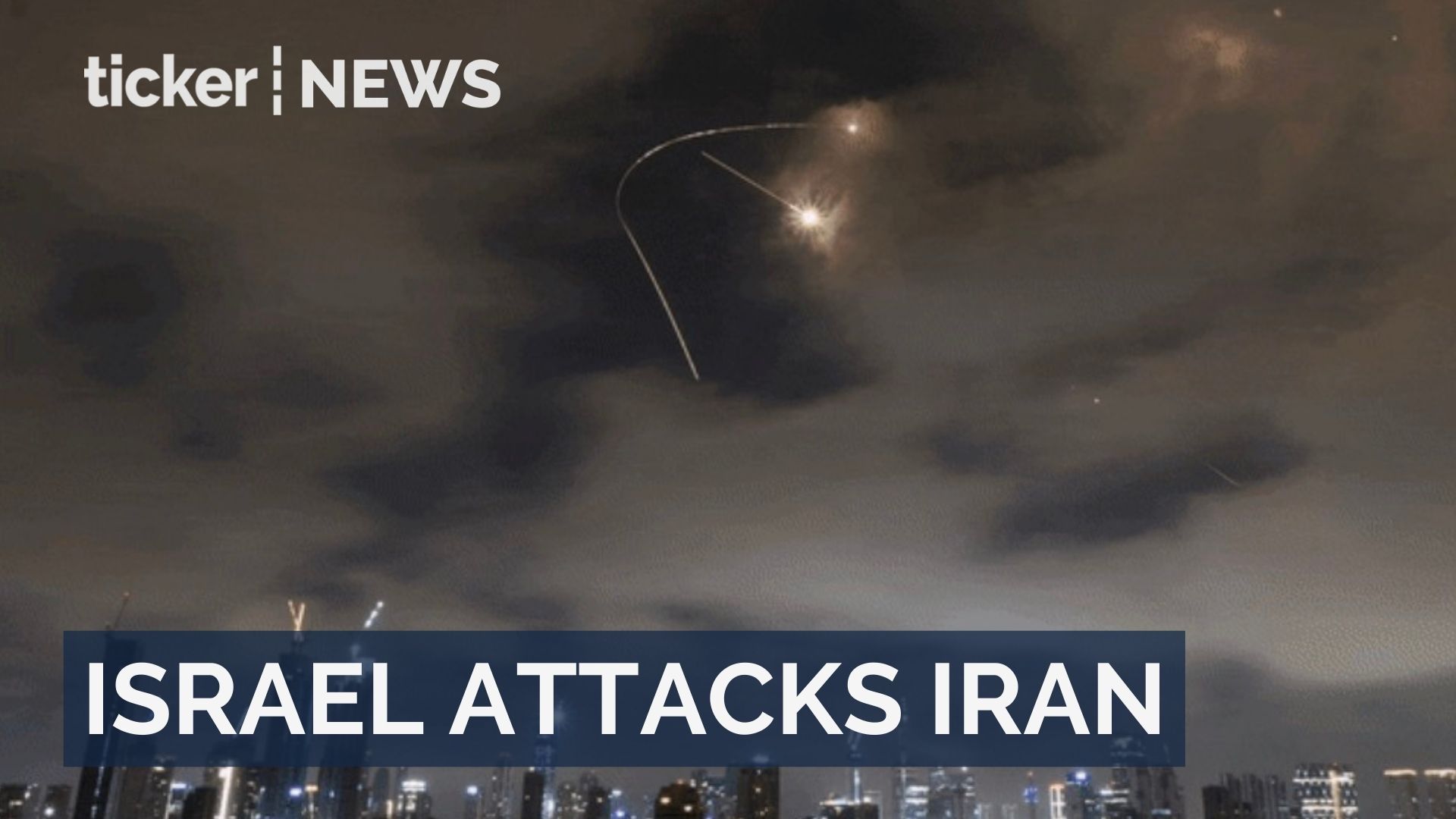
U.S. and Israel strike Iran, escalating war fears and risking wider regional conflict for the second time in eight months

– U.S. and Israel launched strikes against Iran amid fears of a broader regional conflict.
– Iranian officials warn that attacks could lead to full-scale war as they prepare for retaliation.
The U.S. also carried out strikes as part of the operation, according to a U.S. official.

The military operation followed a month of U.S. military buildup, ignited by President Trump’s commitment to support Iranian protesters who demonstrated against the regime in January.
The President consistently warned Iran could face military action if it continued its nuclear program. Vice President JD Vance stated that Iran’s responses in two negotiation rounds failed to meet U.S. expectations.
Escalating Tensions
Iranian officials cautioned that any attack would provoke retaliation, warning that even minor strikes could escalate into a full-scale regional war.
The nation has prepared for conflict by mobilising its forces, reinforcing its nuclear facilities, decentralising decision-making, and tightening internal security measures.
News
Australia issues evacuation advisory for diplomats and citizens in the Middle East
Australian diplomats’ families in Israel and Lebanon urged to evacuate amid rising tensions; all Australians advised to leave soon.


Australian diplomats’ families in Israel and Lebanon urged to evacuate amid rising tensions; all Australians advised to leave soon.
Families of Australian diplomats in Israel and Lebanon have been ordered to evacuate as tensions in the region continue to rise. The government is prioritising the safety of its personnel and their families.
All other Australians have been urged to leave while commercial flights and other travel options are still available. Authorities are emphasising the importance of acting quickly before options become limited.
The Department of Foreign Affairs and Trade has warned that the security situation in the Middle East remains unpredictable and volatile.
Subscribe to never miss an episode of Ticker – https://www.youtube.com/@weareticker
News
Trump signals possible action on Iran nuclear threat
Trump warns Iran on nuclear weapons and highlights threats, as US boosts military presence amid stalled talks.
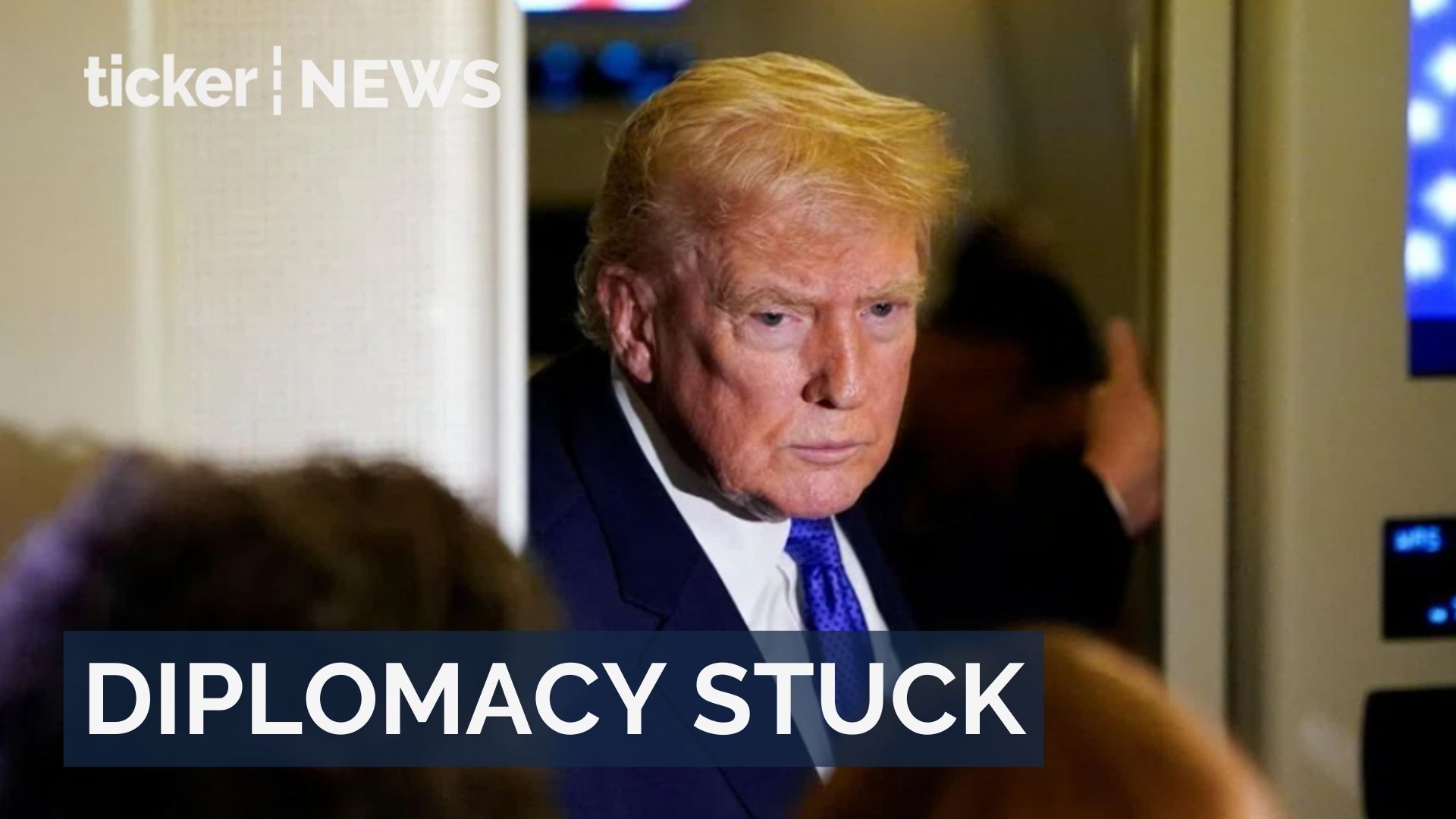
Trump warns Iran on nuclear weapons and highlights threats, as the US boosts military presence amid stalled talks.
President Donald Trump laid out a strong warning to Iran during his State of the Union address. He labelled Tehran as the world’s biggest sponsor of terrorism and signalled that the U.S. might take action if Iran continues its nuclear ambitions.
Trump emphasised that Iran’s missile and nuclear programs, along with its backing of militant groups, pose serious threats to regional stability.
This comes amid growing concerns over Iran’s nuclear developments and the stalled diplomatic efforts to curb them.
Subscribe to never miss an episode of Ticker – https://www.youtube.com/@weareticker
-
 Tech3 days ago
OpenAI moves to replace software giants with AI products
-
Money2 days ago
Australia’s inflation report and Nvidia earnings impact explained
-
Tech1 day ago
Meta launches lawsuits over alleged scam advertising operations
-
Tech4 days ago
Anthropic CEO holds key Pentagon talks on AI ethics and military use
-
Money4 days ago
Stocks tumble amid AI concerns and Trump tariff update
-
Tech2 days ago
Nvidia earnings soar as AI drives 75% revenue growth
-
News2 days ago
Qantas announces 8,500 jobs and frequent flyer changes
-
News4 days ago
Peter Mandelson arrested in London over alleged Epstein links