
Ticker Views
Palin proves how powerful Trumpism is in the Republican Party | ticker VIEWS


Your faithful correspondent last week flagged this item from the news buried by coverage of the war in Ukraine:
“It looks like Sarah Palin, the former Alaska governor who was John McCain’s incendiary vice-presidential running mate in 2008, and who famously said she could see Russia from her backyard, is positioning to run.
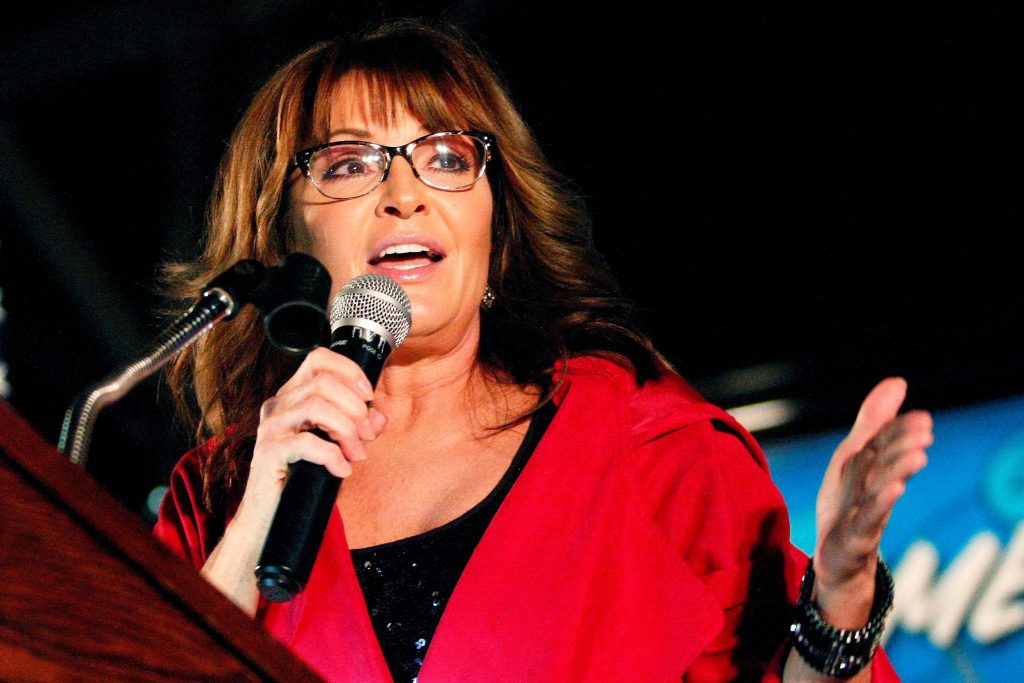
Here’s what she told Sean Hannity on Fox last week:
“I’m going to throw my hat in the ring because we need people that have cajones. We need people like Donald Trump who has nothing to lose like me. We got nothing to lose and no more of this vanilla milquetoast namby-pamby wussy pussy stuff.”
And sure enough the Lioness of Wasilla struck on April Fools’ Day:
“America is at a tipping point. As I’ve watched the far left destroy the country, I knew I had to step up and join the fight. At this critical time in our nation’s history, we need leaders who will combat the left’s socialist, big-government, America-last agenda.”
Let’s go back to 2008.
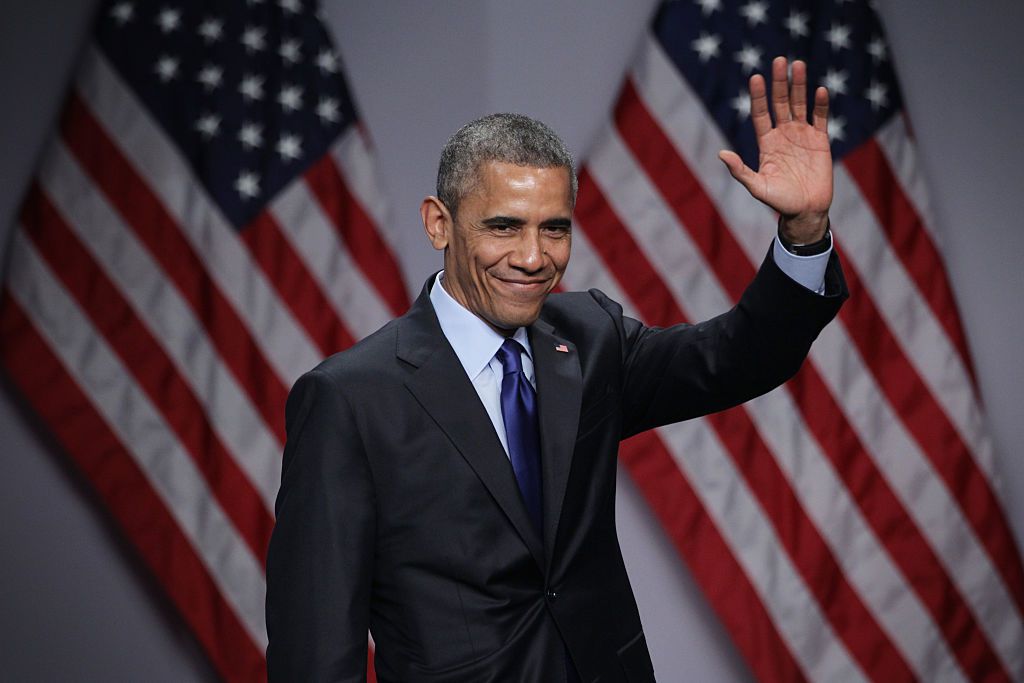
I was in Denver, Colorado and the Democratic Convention that had just made history in nominating Barack Obama for president – the first time an African American had won that prize. The party, and its supporters were ecstatic, with the concluding words of Obama’s acceptance speech still in their ears:
“America, we cannot turn back. Not with so much work to be done. Not with so many children to educate, and so many veterans to care for. Not with an economy to fix and cities to rebuild and farms to save,
“Not with so many families to protect and so many lives to mend. America, we cannot turn back. We cannot walk alone. At this moment, in this election, we must pledge once more to march into the future. Let us keep that promise — that American promise — and in the words of Scripture hold firmly, without wavering, to the hope that we confess.”
Senator John McCain’s Republican convention was still ahead.
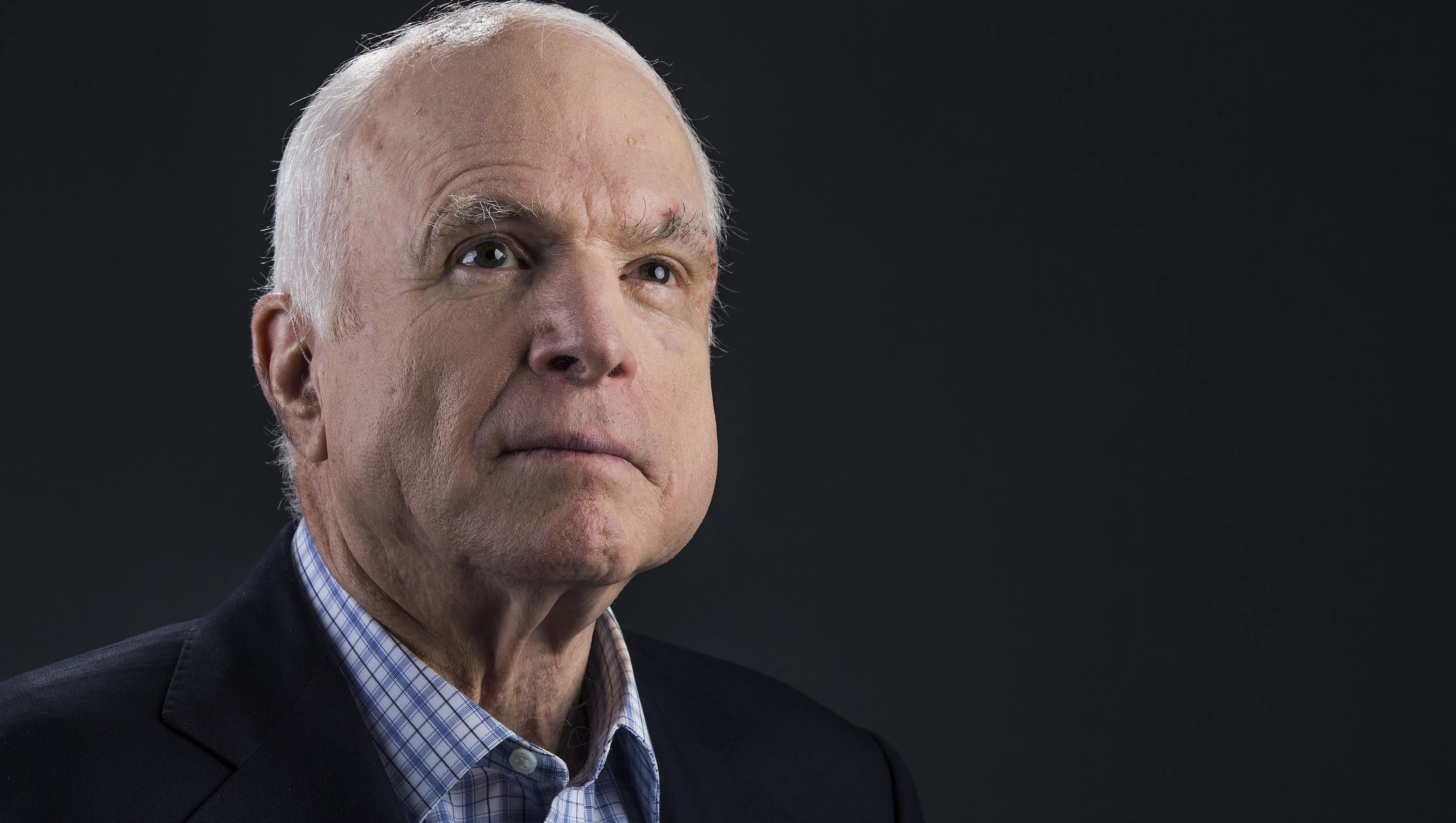
But to take some air out of the Obama balloon, the McCain campaign leaked, the morning after Obama’s landmark acceptance speech, that Sarah Palin would be his running mate.
The first reaction among the throng was, “What? Sarah who?” The governor of Alaska was not well known at all.
Then there was her life story. Basketballer, beauty queen, journalism student, mayor of Wasilla, and a rebel against the party establishment with enough gumption beat the sitting governor in 2006.
A woman and dear friend and colleague who worked with Ronald Reagan told me,
“She will have appeal to suburban moms who think the Democrats are too extreme.” She could win women for McCain – and maybe help McCain flip the election.
But the second reaction followed immediately: Sara Palin was not qualified to be president. The VP has to be able to assume the office in heartbeat if necessary.
Palin proved her lack of competence and gravitas in the weeks that followed. Tina Fey’s send up of Palin on Saturday Night Live reached millions.
Obama and Biden romped by over 9.5 million votes, and 365 Electoral College votes (270 to win).
But Palin had scratched an itch among white voters who felt let down and driven out by establishment politics.
In his memoirs, Obama wrote:
“Palin’s nomination was troubling on a deeper level. I noticed from the start that her incoherence didn’t matter to the vast majority of Republicans. In fact, anytime she crumbled under questioning by s journalist, they seemed to view it as proof of a liberal conspiracy … It was a sign, of course, of things to come, a larger, darker reality in which partisan affiliation and political expedience would threaten to blot out everything – your previous positions; your stated principles; even what your own senses, your eyes and ears told you to be true,
“Through Palin, it seemed as if the dark spirits that had long been lurking on the edges of the modern Republican Party — xenophobia, anti intellectualism, paranoid conspiracy theories, an antipathy toward Black and brown folks — were finding their way to center stage.”
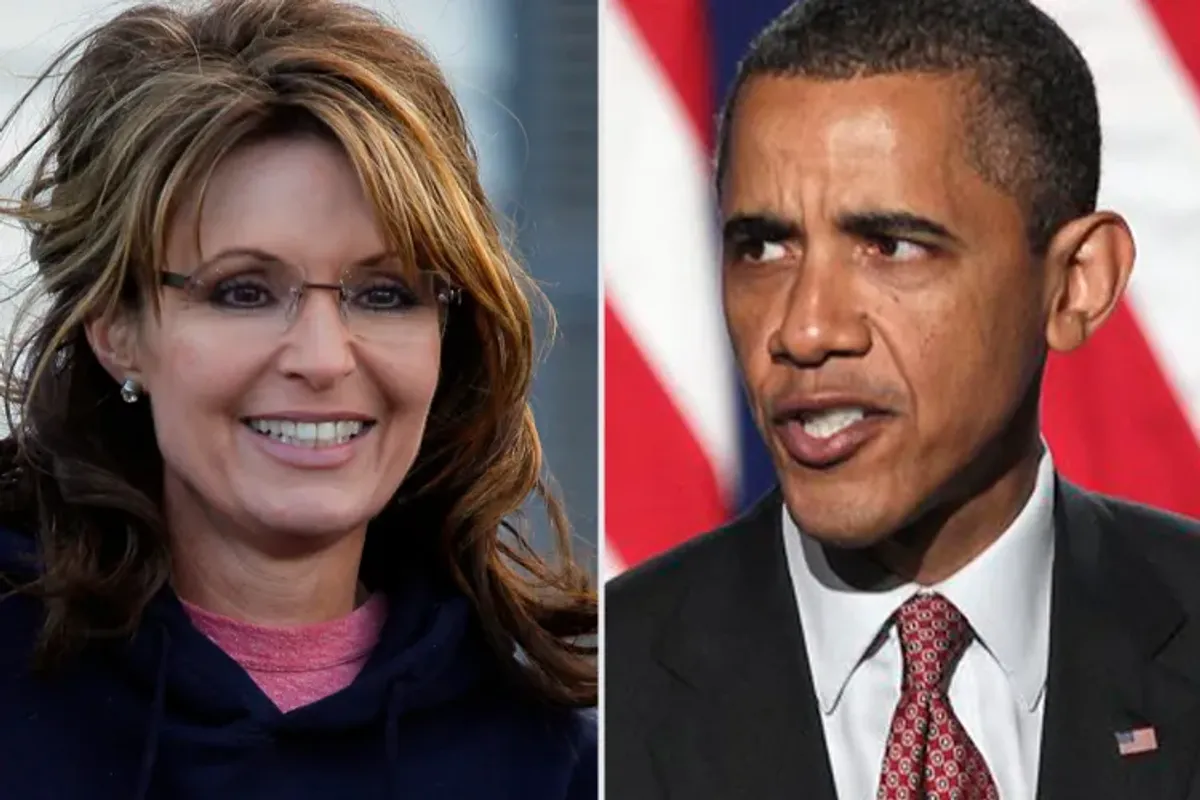
Palin in 2008 lost but changed history: she helped pave the way for Trump is 2016. Obama in 2016:
“I see a straight line from the announcement of Sarah Palin as the vice-presidential nominee to what we see today in Donald Trump, the emergence of the Freedom Caucus, the tea party, and the shift in the center of gravity for the Republican Party.”
That Palin is viable in Alaska this year is another sign of how powerful Trump and Trumpism is in the Republican Party.
Palin will seek Trump’s endorsement in the Alaska House race. It’s hard to believe she won’t get it.

Middle East conflict escalates post U.S.-Israel strikes on Iran, affecting regional security and global energy markets.
A major conflict has erupted in the Middle East after U.S. and Israeli strikes on Iran, sparking retaliation and raising regional tensions. Civilians face humanitarian and economic hardships as Gulf countries scramble to secure critical infrastructure and trade routes, including the Strait of Hormuz.
Hezbollah and other regional actors are adding complexity to the crisis, while incidents like the mistaken downing of U.S. jets by Kuwaiti defences have heightened fears of accidental escalation.
Global energy markets are already feeling the strain, with oil prices fluctuating amid growing uncertainty.
Oz Sultan from Sultan Interactive Group explains the conflict’s impact on regional security and the global economy, and what steps could help de-escalate tensions.
#GlobalMarkets #EnergyImpact #OilPrices #MiddleEastConflict #Geopolitics #TickerAnalysis #CrisisWatch #WorldEconomy

Ticker Views
Rising oil prices threaten Australia as Central Banks face tough choices
Rising oil prices from Middle East tensions may threaten Australia’s inflation, interest rates, and household finances.

Rising oil prices from Middle East tensions may threaten Australia’s inflation, interest rates, and household finances.
Tensions in the Middle East are pushing oil prices higher, creating a ripple effect across global markets. For Australia, this surge poses significant risks to inflation, interest rates, and household finances. Central Banks worldwide are now grappling with complex decisions to stabilize economies.
Dr Steven Enticott from CIA Tax breaks down how rising energy costs could impact the Reserve Bank of Australia’s policy decisions, the potential for petrol price spikes, and the broader implications for consumers and businesses.
Subscribe to never miss an episode of Ticker – https://www.youtube.com/@weareticker
#AustraliaEconomy #OilPrices #InflationWatch #RBA #MiddleEastTensions #PetrolPrices #FinancialNews #GlobalMarkets
Ticker Views
Trump warns of Iran conflict: What it means for global markets
Trump warns the Iran conflict may last weeks, raising concerns over regional stability and global economic impacts.
Trump warns the Iran conflict may last weeks, raising concerns over regional stability and global economic impacts.
As tensions rise in the Middle East, President Trump has warned that the campaign against Iran could last weeks. Economists and investors are now asking how a prolonged conflict might impact both regional stability and the global economy.
Professor Tim Harcourt from UTS talks about the economic implications of the Iran conflict, including trade disruptions, oil price volatility, and the ripple effects on markets worldwide.
Subscribe to never miss an episode of Ticker – https://www.youtube.com/@weareticker
#IranConflict #GlobalEconomy #MiddleEast #OilPrices #IndiaIsrael #TradeDynamics #EconomicForecast #TickerNews
-
 Tech4 days ago
Meta launches lawsuits over alleged scam advertising operations
-
News3 days ago
Crude oil prices spike amid U.S.-Israel military action
-
News3 days ago
Iran warns ships to avoid Strait of Hormuz
-
News11 hours ago
Iran live updates: Airlines face disruptions that surpass previous Middle East conflicts
-
News3 days ago
U.S. and Israel attack Iran, escalating regional conflict
-
News3 days ago
Markets brace for turmoil after U.S. strikes Iran
-
Shows2 days ago
Cities reshaped by capital, policy, and design insights
-
Shows2 days ago
Understanding commercial lending’s unique challenges and strategies