
News
How sanctions would affect Putin

Tensions between Russia and Ukraine are escalating – but as international intervention continues, what happens if sanctions are imposed on Putin himself?
As tensions on the Russia and Ukraine border escalate, some Western powers, including the U.S. and Britain, are considering personal sanctions on President Vladimir Putin if Moscow invades its neighbour.
But what would that mean for Putin?
Severing Putin’s foreign ties
Personal sanctions typically mean restrictions or freezes on foreign assets, and travel bans.
Imposing such measures on Putin would likely be seen by Russia as extremely hostile.
Reuters’ Moscow bureau chief, Andrew Osborn, says Russia has been clear that these kinds of restrictions would effectively cut ties with whichever country imposed them.
“…It would be very difficult to target Mr. Putin’s personal wealth, because as the Kremlin said today, officially speaking he’s not allowed to have any bank accounts or assets overseas, that’s a rule in Russia, so the Kremlin says it would be impossible to hurt Mr Putin in that way. // The other kind of sanction that they could go for is some kind of travel ban that would restrict Mr Putin’s movements to attend international events, again that would be an extraordinary step and Russia has been very clear that it would see this as, very seriously.”
Where is Putin’s wealth?
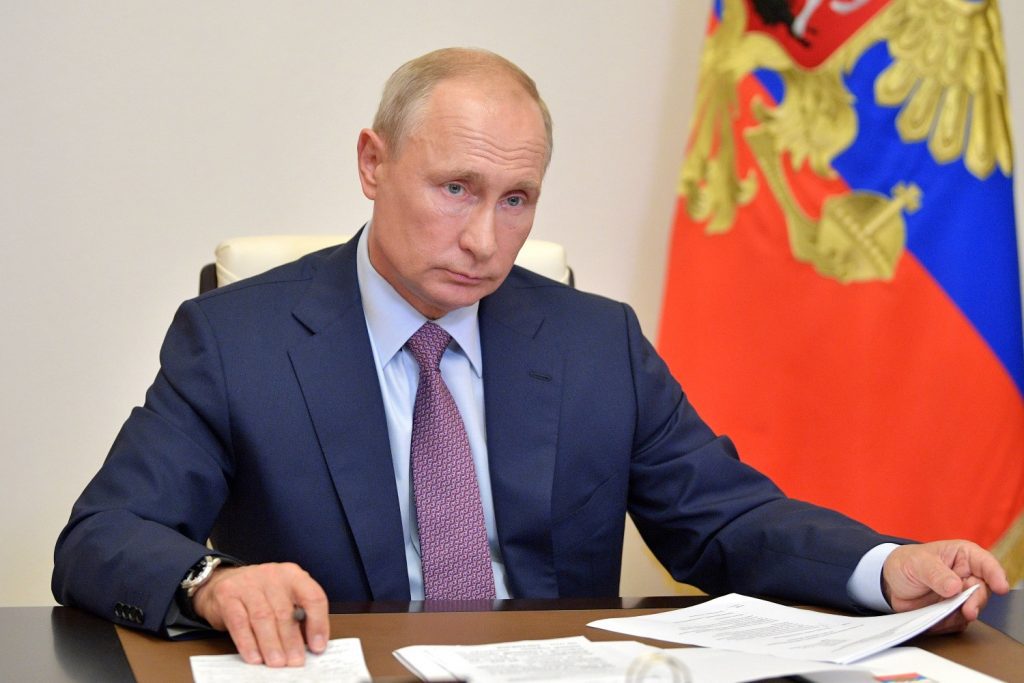
Like some other Russian officials, Putin is legally required to disclose his income and assets.
According to his most recent official report, the Kremlin leader earned just shy of 10 million roubles – that’s just over $126,000 – in 2020.
He also owns an apartment of around 829 square feet, two luxury Soviet Union-era sports cars, an off-road vehicle and a trailer.
The Kremlin also says Putin has access to a garage and a second large apartment.
“It’s hard to accurately estimate Mr Putin’s wealth, there are of course official declarations that he has made in the past which have set out what assets he owns, what property, vehicles, how much money he has in his Russian bank account. Critics say of course that these official declarations are only the tip of the iceberg and in fact Mr Putin is fabulously wealthy, and has properties abroad, in many different places and is one of the richest men in the world.”
Putin and the Kremlin have denied allegations that he has huge amounts of wealth abroad, saying that they are without any foundation.
Is that all Putin owns?
Putin’s most prominent domestic opponent Alexei Navalny, who is currently in jail, is one of those who has alleged that the Kremlin leader’s wealth is considerably larger.
He believes Putin has an opulent palace near the Black Sea coast, and other critics have also said that Putin’s wealth is held by a circle of loyal Russian business people on his behalf.
The Kremlin denies all of these claims.
Will sanctions hurt Putin?
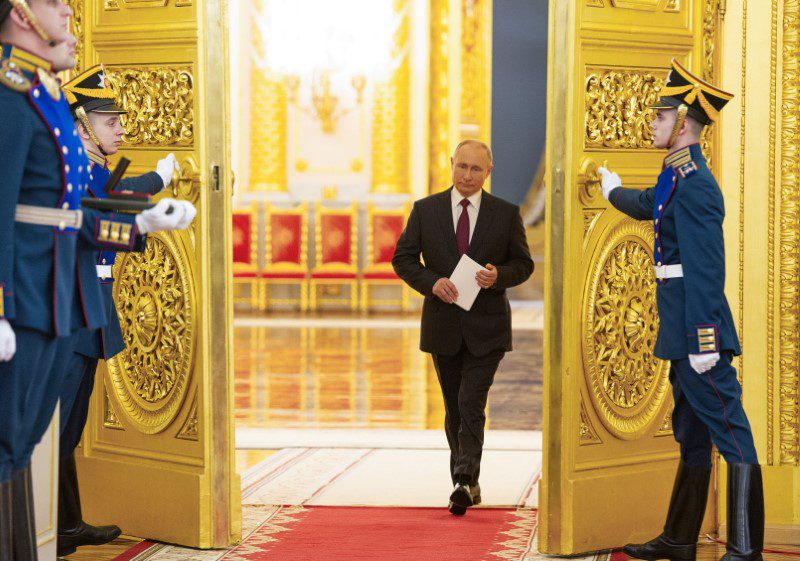
The reality is that, in practice, sanctions might not change much for Russia’s president.
The Kremlin’s veteran spokesperson, Dmitry Peskov, has said restrictions would not actually hurt Putin personally, and that because his assets are in Russia, they are out of reach.
He added that Putin’s salary income is also already under sanctions.
Essentially, the impact of any personal restrictions would depend on proving the existence of any further wealth – or seriously hitting the president’s freedom of movement.

-
 News5 days ago
Meta tests human concierge for Muse AI assistant
-
News4 days ago
Super El Niño to cause heat deaths globally
-
Ticker Views3 days ago
Medicare AI breach raises questions over government timing
-
Shows3 days ago
Buyers gain negotiating power as property market slows
-
Ticker Views4 days ago
‘Australians aren’t stupid’: Inflation anger grows
-
Ticker Views3 days ago
Trump’s diesel move could create a global fuel crunch
-
News4 days ago
Trump-Xi Summit: Trade, Taiwan and the AI Power Struggle
-
News3 days ago
Australia set for international flight boom as airlines expand routes