Money
High noon for big tech in Washington? | Ticker VIEWS

While everyone was focusing on the bipartisan deal between President Biden and a group of moderate senators last week, another drama was unfolding on Capitol Hill
Officials in the House Judiciary Committee were working on the most significant move to bring antitrust laws to bear on the most powerful companies in America (and the world) since Microsoft was the target of a move to break its business model 23 years ago.
As the Big Tech companies continue to grow, they face increasing scrutiny over how they operate and whether competition is limited as a result.
Facebook, Google and Amazon in particular have been growing and extending their power and scale. This has lead to questions as to whether these companies are abusing consumers’ rights.
This is one issue that has strong bipartisan support
It has support from Republicans, because Big Tech is seen as pro-left; cancelling out the voices of President Trump and other conservatives. And from Democrats, who fear Big Tech’s rampant concentration of power.
Since President Teddy Roosevelt’s extraordinarily successful crusades a century ago, a fundamental tenet of governance in a democracy is that no company or business interest is more powerful than the rule of law. That authorities can regulate corporate power to serve the public interest.
In US telecoms and tech, AT&T and Microsoft succumbed to this imperative of how capitalism must operate.
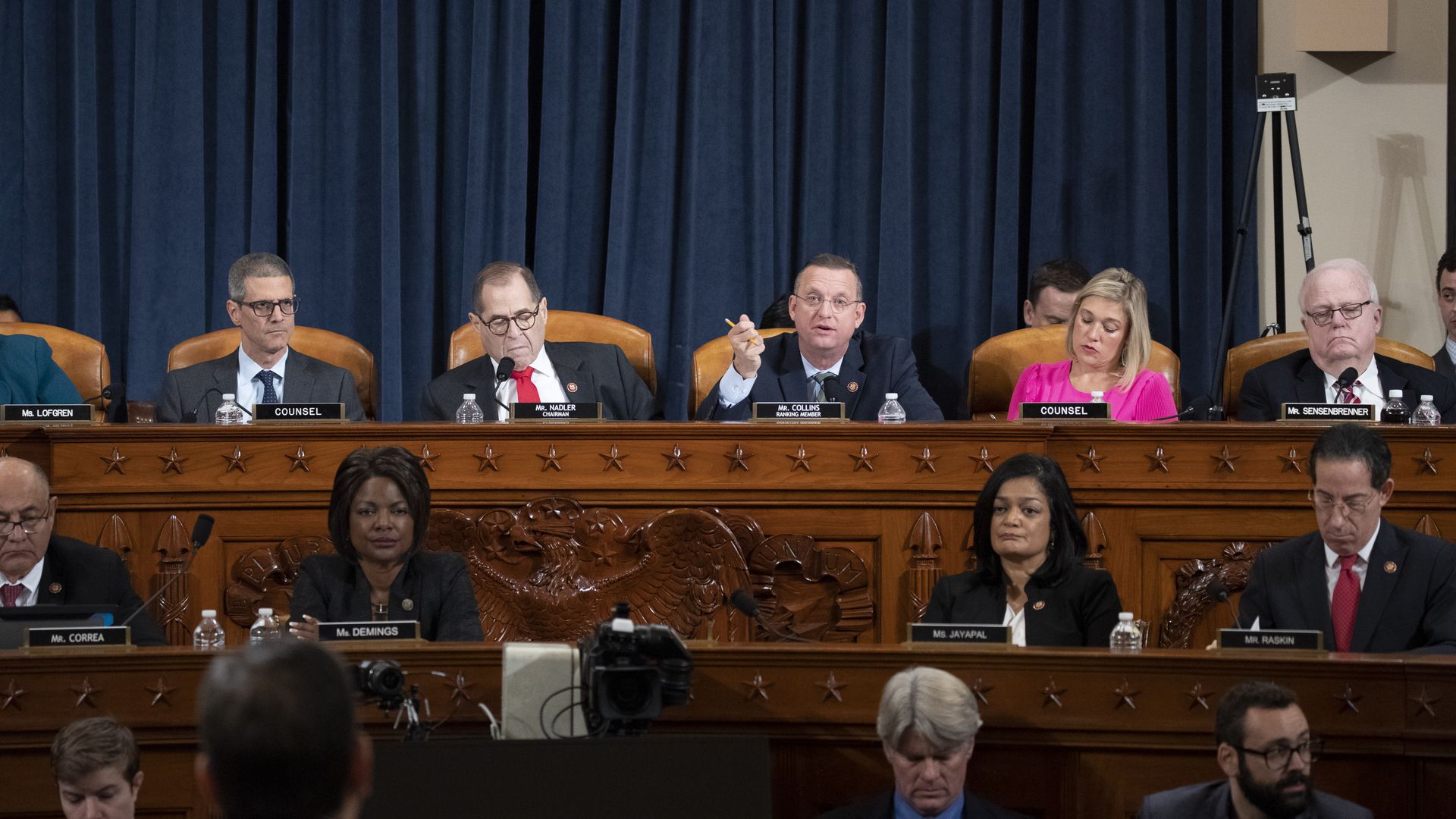
It is this bipartisan cooperation that opened the door to aggressive enforcement activity in Washington
Under the Trump administration, the Justice Department and Federal Trade Commission filed landmark antitrust lawsuits against Google and Facebook.
40 US states have filed similar litigation. The intent is consistent: break up their business models, introduce more competition, and establish rules to protect consumers.
The House Judiciary Committee last week approved five bills that would prevent Big tech mergers that could eliminate competitors. The Committee passed these bills with bipartisan support.
These bills will be difficult to enact into law, and Republicans in Congress remain divided
Trump supporters do not believe they do anything to stop Big Tech from closing down conservative media platforms. The concern comes after Twitter and Facebook both recently decided to turn off Trump.
And if these bills do pass the House, successful Senate legislation requires a supermajority (60 votes out of 100 Senators) to pass.
What is most significant, however, is that the action sends a powerful signal that these issues are absolutely legitimate
This will strengthen the hand of both the Federal Commission, now under the new leadership of Lina Khan. It will also allow the Justice Department to litigate antitrust actions, bringing competition and consumer laws to these powerful commercial entities.
Th Big Tech lobbyists can slow down how far Congress will go. But not the landmark lawsuits managed by President Biden’s Executive Branch.
Read more by Bruce Wolpe here
-
 News2 days ago
California subpoenas OpenAI over cybersecurity issues
-
News2 days ago
Global bond yields hit multi-decade highs
-
News2 days ago
Labor targets rogue agents profiting from visas
-
News2 days ago
U.S. boosts military presence amid Iran tensions
-
News5 days ago
Nvidia launches platform to prevent rogue AI agents
-
Money5 days ago
Wall Street declines as oil, bond yields rise
-
Shows4 days ago
AI’s evolving role in school marketing explored
-
News5 days ago
Russian drone attacks hit Kyiv and Dnipro