Protests erupt across Europe over rising fuel prices, boosting far-right parties ahead of upcoming elections
Rising energy costs, exacerbated by the U.S.-Iran conflict, have affected livelihoods across the continent.
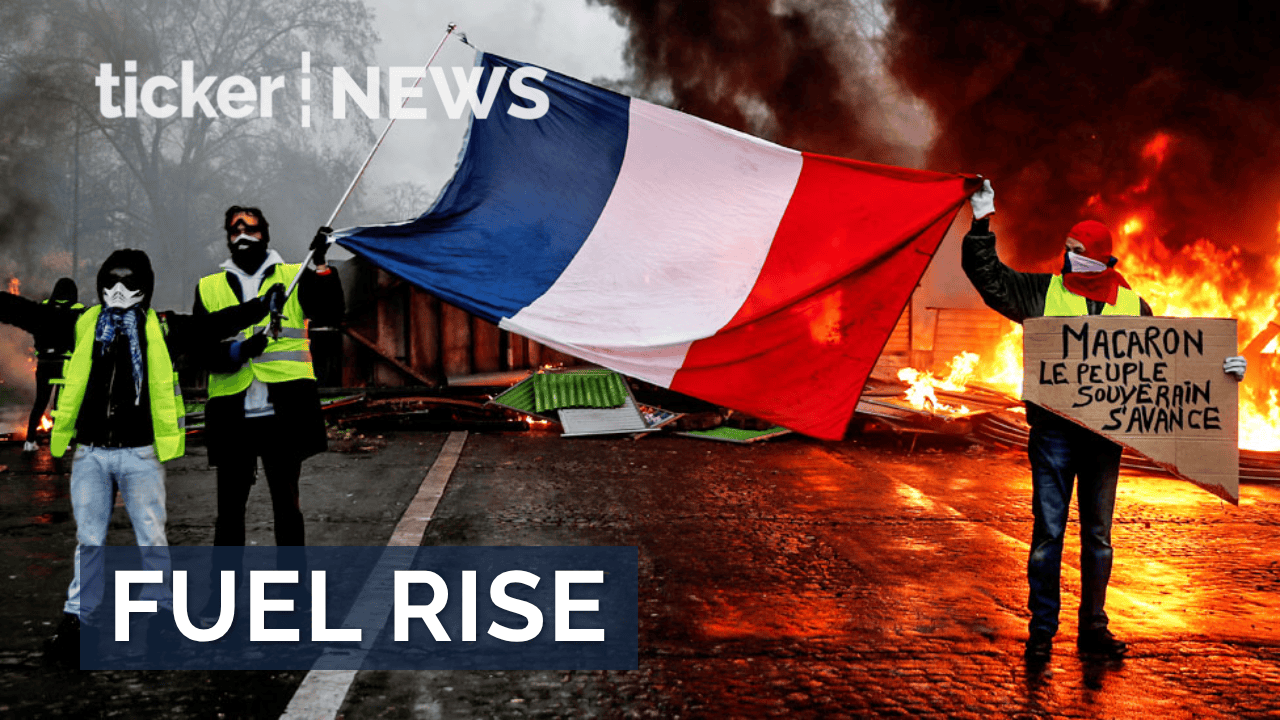
Protesters have taken to the streets in response to the cost-of-living crisis.
French President Emmanuel Macron has acknowledged the protesters’ grievances while condemning violence.
Protests escalate
Violence has spread to other nations, including Italy and Portugal, where demonstrators have expressed discontent over economic conditions.
Farmers in Sicily are protesting fuel price increases that threaten their operations.
Poland sees rising support for far-right parties that advocate restoring energy links with Russia.
Concerns over living costs are shaping electoral dynamics, with populist movements gaining traction.
In France, Marine Le Pen of the National Rally has focused her campaign on fuel prices.
The Alternative for Germany party is also benefiting from rising inflation concerns.
Recent polling indicates Le Pen’s popularity is increasing while Macron’s is declining.
Le Pen’s proposal to reduce fuel taxes has resonated with many voters.
In Italy, competition from a new far-right party illustrates shifting political landscapes, driven by economic anxiety.
Germany faces rising inflation and a push for renewed ties with Russia to alleviate energy costs.
Efforts to attribute high prices to government policies could influence voter sentiment against incumbents.
Concerns over energy prices remain a potent issue influencing political landscapes across Europe.
National unrest and political shifts due to economic pressures underscore the ongoing crisis affecting European governance.