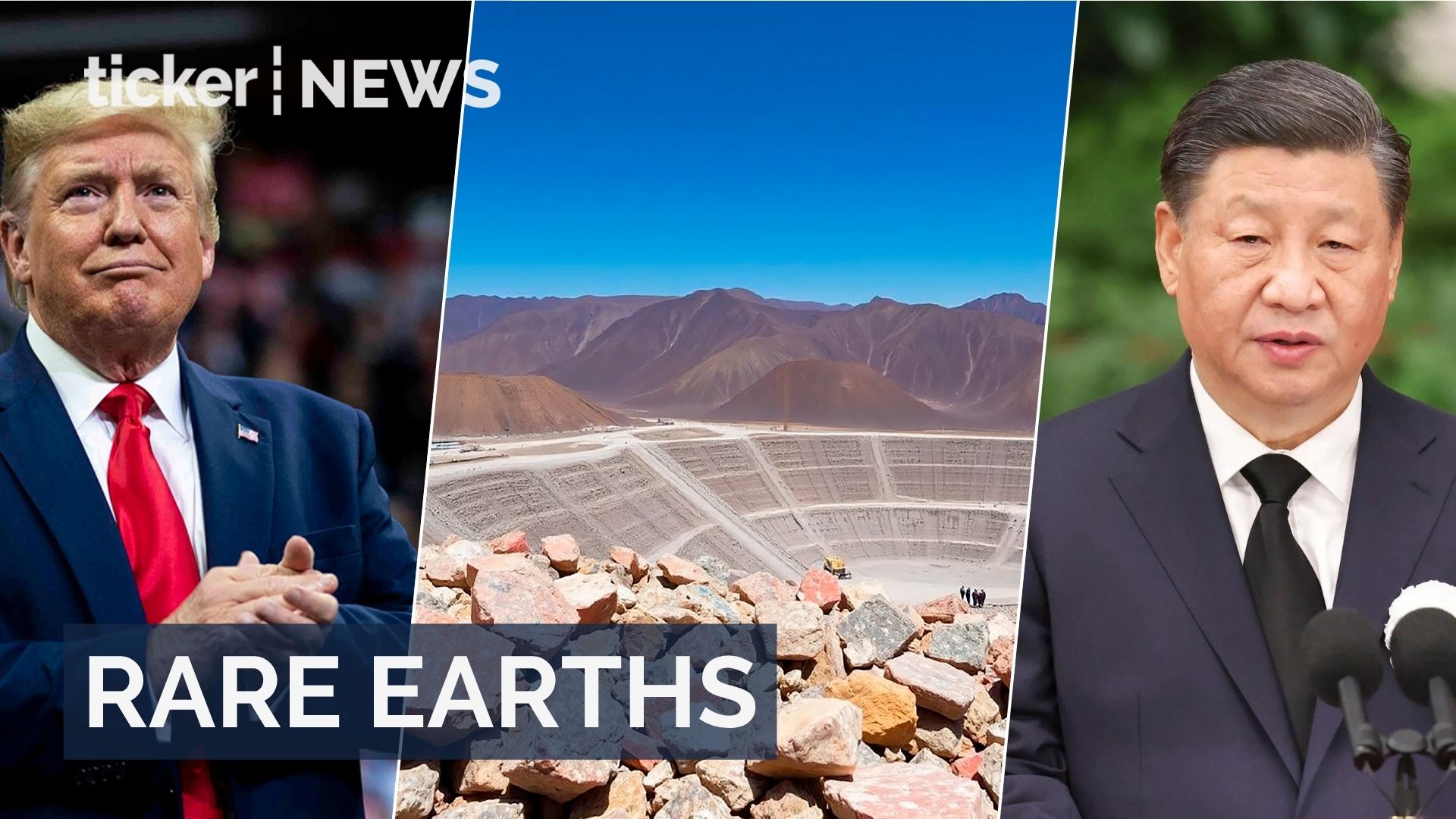
China defends rare earth export curbs as legitimate amid rising tensions with U.S. over tariffs and impending Trump-Xi meeting

The controls include not only rare earth materials but also intellectual property and technologies related to them.

The ministry noted that these restrictions are not outright export bans, asserting that applications meeting certain criteria will still be approved. It indicated confidence that the measures would have a minimal impact on the supply chain. Foreign entities will need a license if exporting products containing over 0.1% of locally-sourced rare earths, with weapons-related applications automatically denied.
In response, U.S. President Donald Trump announced on October 10 new 100% tariffs on Chinese imports, beginning November 1, along with export controls on critical software. Following these statements, global stock markets reacted negatively, resulting in a loss of $2 trillion in market capitalisation.
China contends that the U.S. operates double standards, as its own control list comprises over 3,000 items compared to China’s fewer than 1,000. China plays a crucial role in the rare earth supply, holding approximately 70% of the global market.
Trade Tensions
In addition to the export controls, China disclosed plans to begin charging U.S. ships docked at its ports, mirroring new U.S. fees for Chinese vessels. This action is presented as a necessary counter to U.S. measures, complicating the atmosphere of ongoing trade discussions.
U.S. and Chinese officials have engaged in various negotiations over recent months, focusing on topics such as the divestment of TikTok, but tensions remain high following recent developments.