News
Does the West need to fear China’s presence in the pacific?

China’s influence in the Pacific is causing concern for some Western nations who are playing a diminished role in the region
Tides are changing in the Pacific, an area which has long deferred to the West, but is increasingly gazing eastward.
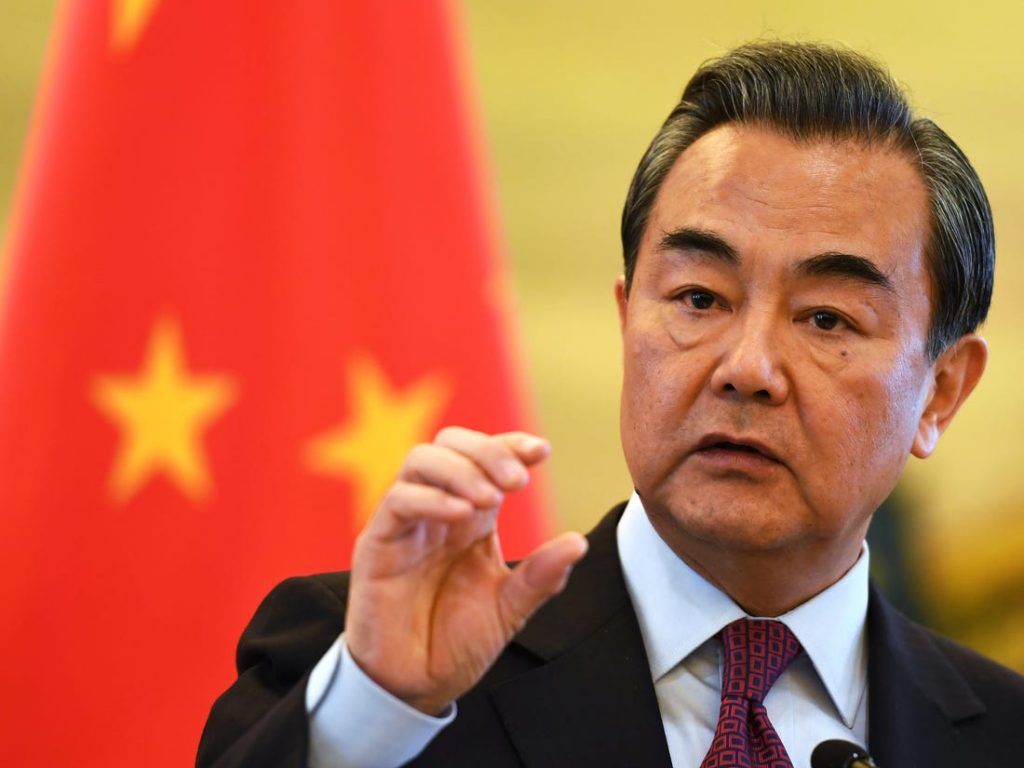
The changing dynamic has been typified by the landmark security deal signed by China and the Solomon Islands. This week, Chinese foreign minister Wang Yi embarked on an historic 10 day tour of eight Pacific Island nations.
Should Western nations fear China’s growing influence in the Pacific?
The Pacific Islands have a long history of Western influence, dating back hundreds of years to European colonisation.
But nations such as Australia and the U.S. are suddenly having to contend with the arrival of a new player.
Benjamin Herscovitch, a research fellow at the Australia National University, told TICKER NEWS China’s increased influence in the area represents a “dramatic shift in circumstances” for the region.
“We are at the beginning of a really heated up period of competition between Australia and China for influence in the Pacific,” he says.
This will place further pressure on an already strained relationship.
In recent years, the two nations have butted heads over a number of issues including human rights and territorial disputes in the South China Sea.
Two weeks ago, relations between the two nations flared again. In the lead up to the Australian federal election, then defence minister Peter Dutton labelled the presence of a Chinese spy ship off the coast of Western Australia was “an aggressive act”.
Despite outcry from the West, there is still no evidence China’s intentions in the Pacific have militaristic undercurrents.
Yi has started his tour of the Pacific by promising his government has “no intention” of building a military base in the Solomon Islands.
What is China’s goal in the Pacific?
While China’s role in the Pacific will likely become a point of contention, Herscovitch doesn’t believe it is coming from a position of Chinese aggression.
Rather, it is the natural progression for a country becoming more influential across the globe.
“A lot of the alarmist commentary in Australia maybe fails to appreciate that we’re coming in this period of rising Chinese influence and power globally,” he says.
“It’s almost to be expected that you’d have Beijing having a much larger footprint in Australia’s region.”
“China is a country with an incredibly large economy, with trading interests that span the globe, with diplomatic and political interests that span the globe.”
Benjamin Herscovitch, ANU
“China’s expanding footprint, expanding influence is just part and parcel of China emerging as the globe’s greatest economic power,” he says.
Will Island nations benefit from competition in the Pacific?
Herscovitch says the dispute could be “a good news story” for island nations because states will compete to invest in the area as a way to build influence in the Pacific.
“We’ll see a lot of competition for investment, a lot of competition for influence between key economies, and that’s probably beneficial for Pacific Island countries,” he says.
Pacific nations also look set to benefit by increased action on climate change.
As some of the most low-lying nations in the world, global warming and rising sea levels are of huge concern to the area.
Australia’s foreign minister Penny Wong also visited the Pacific to pledge an improvement in Australia’s climate change policy.
“There’s a sense here in which Australia’s desire for influence will encourage Australia to be more forward leaning, more proactive on climate change issues,” Herscovitch says.
New role for the West in the pacific?
With China beginning to gain a foothold in the Pacific, Herscovitch says the West may have to alter its diplomatic approach.
He believes Australia and U.S. have been overly critical of South Pacific countries, and in particular the Solomon Islands, for engaging with China.
In the backlash following Solomon Islands’ defence treaty with China, the nation’s Prime Minister Mannasseh Sogavare accused the Australian government and its allies of undermining his government.
Herscovitch labels this approach as “counterproductive” to maintaining relations with the Pacific nations, saying “we should always respect their sovereign decisions and respect their independent choices.”
He says Australia, the U.S. and Japan has a highly important role in providing expertise and advise on how to manage their relationship with China as they become more economically entwined with the global power.
“They’re relying on China for more infrastructure, and it’s really important that their officials are empowered with all the necessary information to manage that relationship and to manage that growing dependency,” he says.
Bryan Hoadley contributed to this report

-
 News2 days ago
Apple launches products on October 13
-
News2 days ago
AI Review Committee provides expert advice on governance
-
News2 days ago
Trump: US won’t attack Iran before midterms
-
News4 days ago
OpenAI apologises to Australia for AI incident
-
Shows3 days ago
Redefining success: beyond money and status
-
Shows4 days ago
High-quality early childhood education: roles and responsibilities
-
News4 days ago
Drone strike sinks ship; crew missing
-
News4 days ago
Widespread student protests in France escalate tensions