Money
The start-up airline making noise in the aviation industry

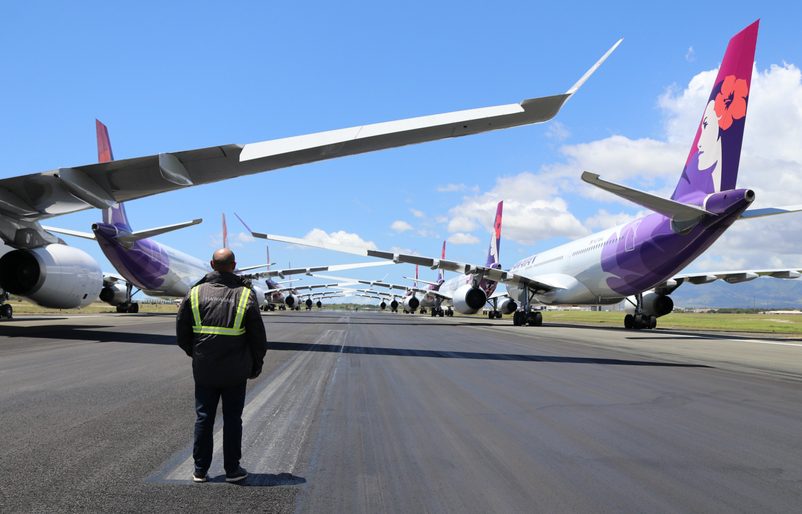
2020 was a tumultuous year for the aviation industry, with the COVID-19 pandemic impacting every airline in the world.
Thousands of aircraft from right around the world have, at least at some stage, been parked and left to sit idle on runways and in storage facilities.
In addition to this, over 40 airlines from all parts of the globe have ceased operation since 2020.
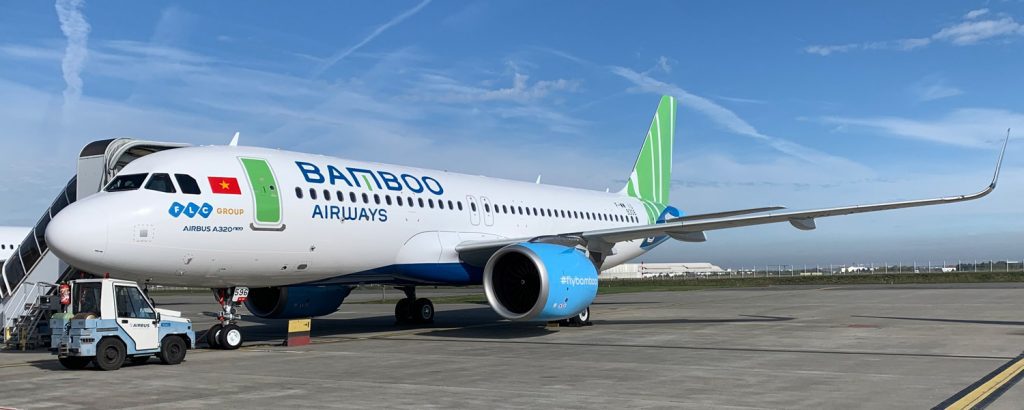
Intoducing: Bamboo Airways
However, the pandemic has seen one particular start-up airline find its wings.
Vietnam-born and raised Bamboo Airways is rapidly expanding at a time where the aviation industry remains unstable.
The airline currently serves Vietnam, flying between each capital city including Hanoi, Ho Chi Minh City, and Da Nang – just to name a few.
It also operates an international network that continues to grow; currently servicing Japan, South Korea, Taiwan and Macau.
The history of Bamboo
The airline was founded in 2017 and commenced operations in January 2019.
By the time the pandemic hit, it meant that Bamboo Airways was less than one year into its operations.
One might have thought that this would have left the carrier in a precarious position, but the reality was far from that.
From the beginning, Bamboo has had strong success. The airline had strong and positive goals from the get-go, aiming to hire up to 600 employees, with recruitment beginning in April 2018.[
Bamboo’s Air Operator’s Certificate (AOC) was granted on 9 July 2018 and they subsequently passed the five required stages for certification by Vietnam’s Civil Aviation Authority.
After reviewing the airline’s financial structure and business plan, the Ministry of Transport issued an aviation license in November 2018 and the first flight took off in January of 2019.
Remaining strong during COVID-19
A key factor that has helped the airline to survive and continue to strive throughout COVID-19 comes down to the fact that Vietnam represents a very strong market for airlines.
Vietnam has a steadily expanding airline market, according to Simple Flying. The expansion of the market saw 20% growth in the five years before coronavirus.
This reflects Vietnam’s economic growth as a whole, with its GDP rising by 225% in 10 years.
Looking to the future
Alongside its diverse route network of both domestic routes and international routes within Asia, the airline has built up a solid fleet.
Bamboo is looking at expanding its international operations throughout 2021 and into 2022, with Australia on the list.
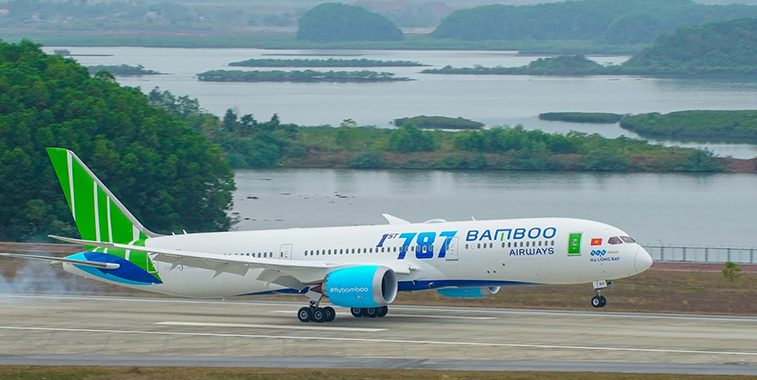
The company has eyed off the possibility of regular flights to Melbourne, Australia – a destination that is already served through the airline’s COVID repatriation flights.
“We look forward to strengthening our relationship with the airline and enhancing our non-stop service to Vietnam on the Boeing 787-9 Dreamliner in 2021, including to Hanoi for the first time, which opens up critical trade, leisure and business opportunities for Victoria.”
Melbourne Airport’s chief of aviation, Shane O’Hare
The market between Australia and Vietnam, even prior to the pandemic, was relatively limited.
There were almost 1,000,000 passenger movements between the two countries in 2018, and nearly 60% of those passengers had to transit, through countries such as Singapore.
Most recently, the airline has made some noise within the industry by offering to ‘status match’ frequent flyer memberships to other airlines.
In any case, it’s pretty clear that Bamboo Air has found its wings and is here to stay.

-
 Shows4 days ago
Engaging Aboriginal communities for sustainable development in Australia
-
News3 days ago
Amazon Air crash at Miami airport kills five
-
News3 days ago
Trump’s unpopularity threatens Republicans’ midterm chances
-
News4 days ago
Germany’s far-right surge could reshape Europe
-
News4 days ago
Iran vows stronger retaliation against U.S. attacks
-
News4 days ago
U.S. envoys seek new Ukraine-Russia peace talks
-
News3 days ago
Foreign money is changing Bali as tensions over expat population rise
-
Ticker Views4 days ago
AI political ads flood Victoria as voters struggle to spot what’s real