
Connect with us
https://tickernews.co/wp-content/uploads/2023/10/AmEx-Thought-Leaders.jpg

Ticker Views

Why Hungary and Russia’s relationship could stop the war in Ukraine

Published

on

In many European countries, a politician’s ties with Russia might mean the end of a political career, but not in Hungary

Hungary’s nationalist Prime Minister, Viktor Orbán, has won a fourth term in the Hungary election, becoming the longest-serving Prime Minister in Europe.

The Hungarian Prime Minister has long been criticised for his friendly ties to Russian President, Vladimir Putin, and Hungary’s reliance on Russia’s energy supplies.

Now, Prime Minister Orbán has spoken to Putin, urging him to end the war in Ukraine. 
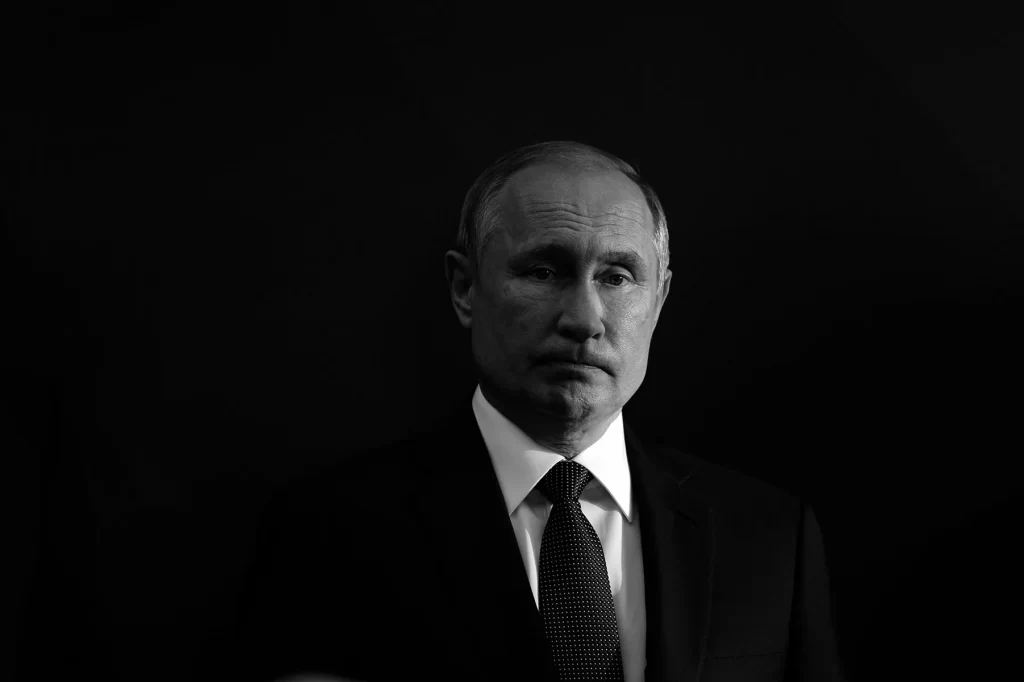
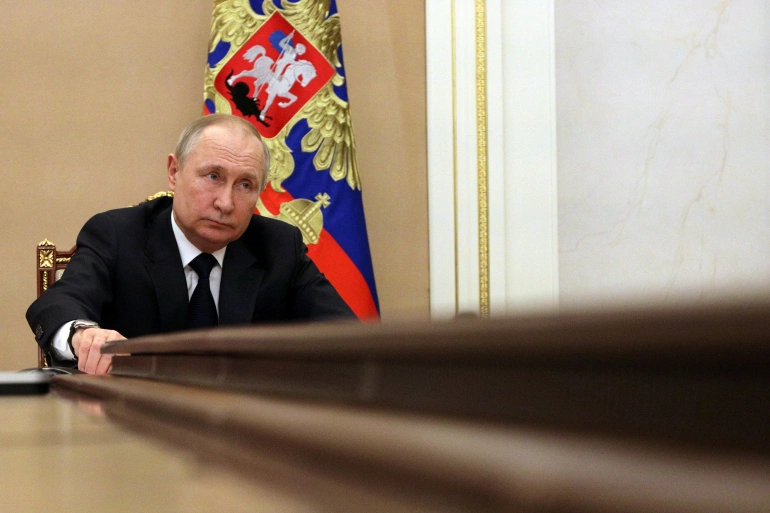
Vladimir Putin. / Image: File

Hungary’s ties with Russia

Hungary has a strong dependency on Russia for petrol, gas and other economic ties with the largest country in the world.

Hungarian politician Balázs Orbán says that Hungary must do everything in their power to stop the Russia Ukraine war and that peace is needed as soon as possible.

“I think we can use every contact and relationship we have, like the Hungarian Prime Minister’s earlier contacts with the Russian president to try and help bring about a ceasefire,” he tells Ticker News.

Is Hungary doing enough to stop this war?

Orbán says all Hungary’s moves are in line with the NATO and EU’s decisions.

“We’re doing as much as we can … we’re in a position of strength and authority in Hungary.”

he says.

“Viktor Orbán has just won a landslide victory at the elections … the support of the Hungarian people is a reinforcement of good policies of a stable, calm governance, which is very much needed at this time of war.”
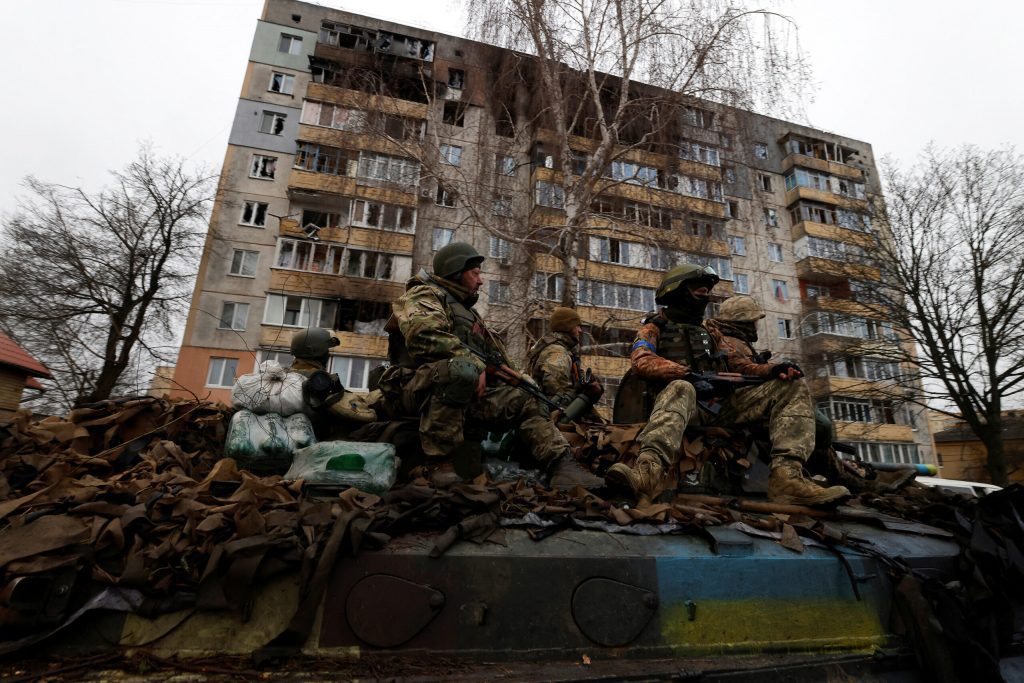
Ukrainian soldiers are pictured on their military vehicle, amid Russia’s invasion on Ukraine in Bucha, in Kyiv region, Ukraine April 2, 2022. REUTERS/Zohra Bensemra

Should the European Union move away from being dependant on Russian energy?

While Balázs Orbán says that this would hurt Russia’s economy, he claims this would be “wishful thinking” as introducing these sanctions would hurt the EU more than they would hurt Russia.

“If we shut down entire economies in Europe because of a sudden lack of gas, for instance, if we left millions of people without heating … then we would do a disservice to ourselves.”

he says.

“So realism has to be maintained, diplomatic pressure must be maintained. And any humanitarian aid is obviously very important.”
What do you think will stop Putin?

Orbán says economic sanctions and international media reporting have an influence in stopping Putin.

“This is also a war which shows the power of communication, the power of images, the power of information, as it is spread, and that has an influence on public opinion everywhere, including Russia.”

he says.

Russia is the largest country in the world, it’s a nuclear power and whether we like it or not, whether we agree with it or not, it’s there, it’s going to remain there. So we need to find a settlement that takes into account its existence.”

Savannah Pocock contributed to this article.

Ticker Views

South Korea introduces AI job protection legislation

South Korea is proposing laws to protect jobs from AI, balancing innovation with workers’ rights amid rising automation.

Published

on

South Korea is proposing laws to protect jobs from AI, balancing innovation with workers’ rights amid rising automation.


South Korean lawmakers are taking bold steps to protect workers from the growing impact of AI on employment. The proposed legislation aims to safeguard jobs and support workers transitioning into new roles as machines increasingly enter the workforce.

Professor Karen Sutherland of Uni SC joins Ticker to break down what these changes mean for employees and industries alike. She explains how the laws are designed to balance technological innovation with workers’ rights, and why proactive measures are crucial as AI adoption accelerates.

With major companies like Hyundai Motor introducing advanced robots, labour unions have raised concerns about fair treatment and the future of human labour. Experts say South Korea’s approach is faster and more comprehensive than similar initiatives in the United States and European Union, aiming to secure livelihoods while improving the quality of life for displaced workers.

Subscribe to never miss an episode of Ticker – https://www.youtube.com/@weareticker

#AIJobs #SouthKorea #FutureOfWork #Automation #TechPolicy #LaborRights #WorkforceInnovation #Ticker


Download the Ticker app

Continue Reading

Ticker Views

U.S. ambassador responds to NATO criticism at Munich Security Conference

At Munich Security Conference, U.S. NATO ambassador discussed defense autonomy, hybrid warfare, and transatlantic cooperation amid rising tensions.

Published

on

At Munich Security Conference, U.S. NATO ambassador discussed defense autonomy, hybrid warfare, and transatlantic cooperation amid rising tensions.


At the Munich Security Conference, the U.S. ambassador to NATO faced tough questions on global order as European allies explored greater defense autonomy amid rising geopolitical tensions. The discussion highlighted the challenges NATO faces in maintaining unity while responding to evolving threats.

The ambassador addressed criticisms directly, emphasizing the importance of transatlantic cooperation and NATO’s role in ensuring international security. European nations voiced concerns about independent defense capabilities and the impact of hybrid warfare from Russia on regional stability.

Oz Sultan from Sultan Interactive Group provides analysis.

Subscribe to never miss an episode of Ticker – https://www.youtube.com/@weareticker

#MunichSecurityConference #NATO #GlobalSecurity #DefenseAutonomy #Geopolitics #TransatlanticAlliance #HybridWarfare #USForeignPolicy


Download the Ticker app

Continue Reading

Ticker Views

Israeli President Herzog visits Australia amid rising antisemitism

Israeli President Herzog’s Australia visit strengthens solidarity and shared values amid recent attacks on the Jewish community.

Published

on

Israeli President Herzog’s Australia visit strengthens solidarity and shared values amid recent attacks on the Jewish community.


Israeli President Isaac Herzog’s visit to Australia marks a significant moment of solidarity between the two nations, especially following recent tragic attacks affecting the Jewish community. The visit underscores shared democratic values and a commitment to combating antisemitism.

Professor Tim Harcourt from UTS discusses the deeper significance of the visit, including the Australian government’s message and the broader implications for Jewish Australians. The timing, following the Bondi attack, highlights the sensitive context in which this diplomatic engagement occurs.

Subscribe to never miss an episode of Ticker – https://www.youtube.com/@weareticker


Download the Ticker app

Continue Reading

Trending Now