News
When start-up culture fails – the problem of Theranos
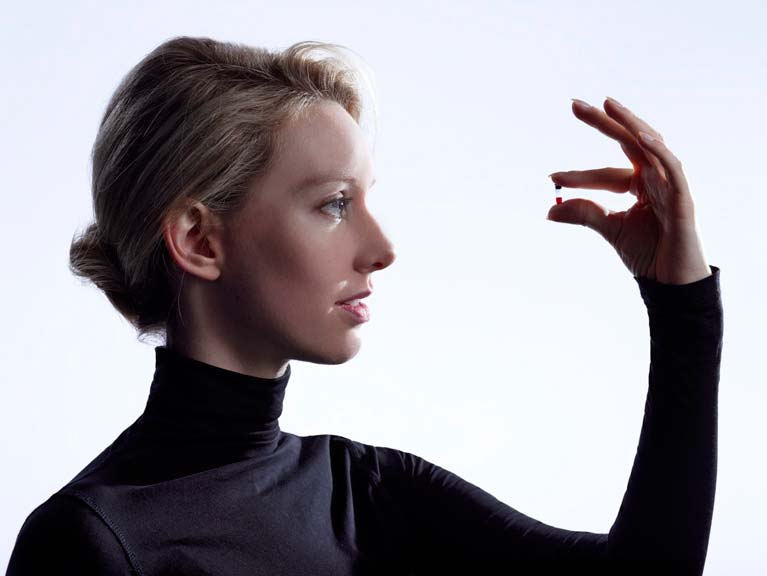
Elizabeth Holmes is on trial in California for allegedly defrauding investors, but Silicon Valley’s “fake it till you make it” culture is also under the microscope.
Elizabeth Holmes founded Theranos at the age of 19. A Stanford University drop-out, Holmes committed the early years of her life to building her company from the ground up.
She dazzled investors and colleagues with the revolutionary idea that Theranos technology could quickly detect a multitude of ailments and diseases, all from the blood of a simple finger-prick.
By 2014, the firm had rocketed to a valuation of US$9 billion after securing large investments from high-profile figures like media tycoon Rupert Murdoch, and former U.S Secretary of State Henry Kissinger.
Holmes was championed as a star of Silicon Valley – a young woman with an unfaltering belief that Theranos could change the world.
That dream however, was based on fantasy.
In 2015, Holmes was exposed as a fraud. The technology she touted did not work at all, and three years later, Theranos collapsed.
Holmes, now 37, is on trial in California – facing up to 20 years in prison if found guilty of the 12 charges of fraud brought against her.
She has pleaded not guilty.
The court case and her meteoric rise and fall has attracted global interest, with many divided over the question of whether Elizabeth Holmes is merely a businesswoman who failed, or a fraudster who intended to cheat her way to the top.
Spectacular collapse
Over the decade from its foundation in 2003, Holmes built a team of 800 employees and set up in a research park in Palo Alto, once home to Tesla and Facebook.
It was there the company went to work on its flagship technology – the Edison – a small, black automated box intended to run lighting fast methods of drawing blood, testing blood, and interpreting patient data.
A series of Wall Street Journal exposes in 2015 revealed the results produced by Theranos tech were unreliable, and that the firm had been operating commercially available machines made by other manufacturers for years.
Theranos’ already unstable foundations quickly crumbled.
Lawsuits from defrauded investors piled up, ties were cut, and by 2018, the company dissolved.
In March that same year, Holmes settled civil charges from financial regulators that she fraudulently raised more than US$700m from investors.
But three months later, she was arrested on charges of criminal fraud. Also arrested was Ramesh “Sunny” Balwani, Holmes’ ex-boyfriend and business partner, who will face the same charges.
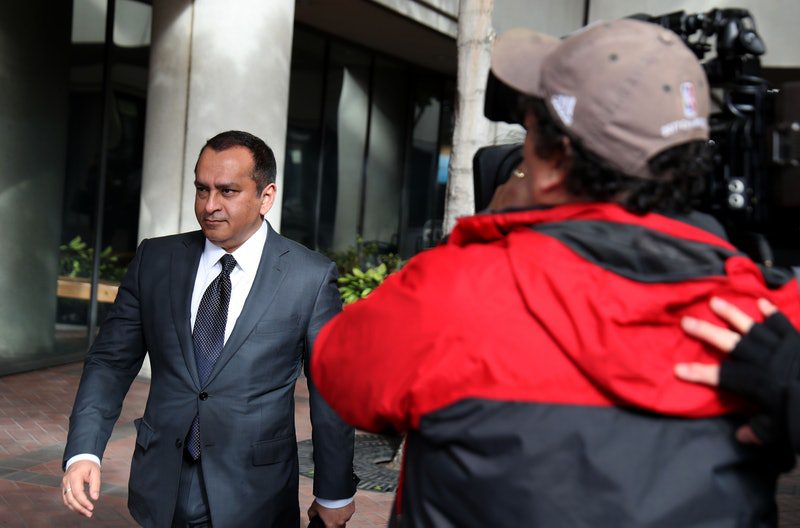
In a twist, it has emerged over the course of court proceedings that Holmes and her lawyers are expected to argue that Balwani, who served as Theranos’ CEO, sexually and emotionally abused her during the time the crimes were committed – claims that Balwani vehemently denies.
Prosecutors claim Holmes and Balwani engaged in a “multi-million-dollar scheme to defraud investors, doctors and patients.”
It’s alleged they used advertisements and solicitations to encourage doctors and patients to “buy-in” to Theranos’ blood-testing services, despite knowledge that their services were simply not capable of doing what they said they could.
Court hears of company’s failures and lies
Holmes’ court case began in September, and is expected to last for the coming months.
Theranos gained financial traction through investments from several high-profile figures, who also made up the company’s 12-person board, but lacked necessary medical experience.
It was heard that former U.S. Education Secretary Betsy DeVos, who sat on the board, was given false information before investing US$100m into the firm, her representative told the court.
DeVos is but one of several notable people allegedly duped by the firm.
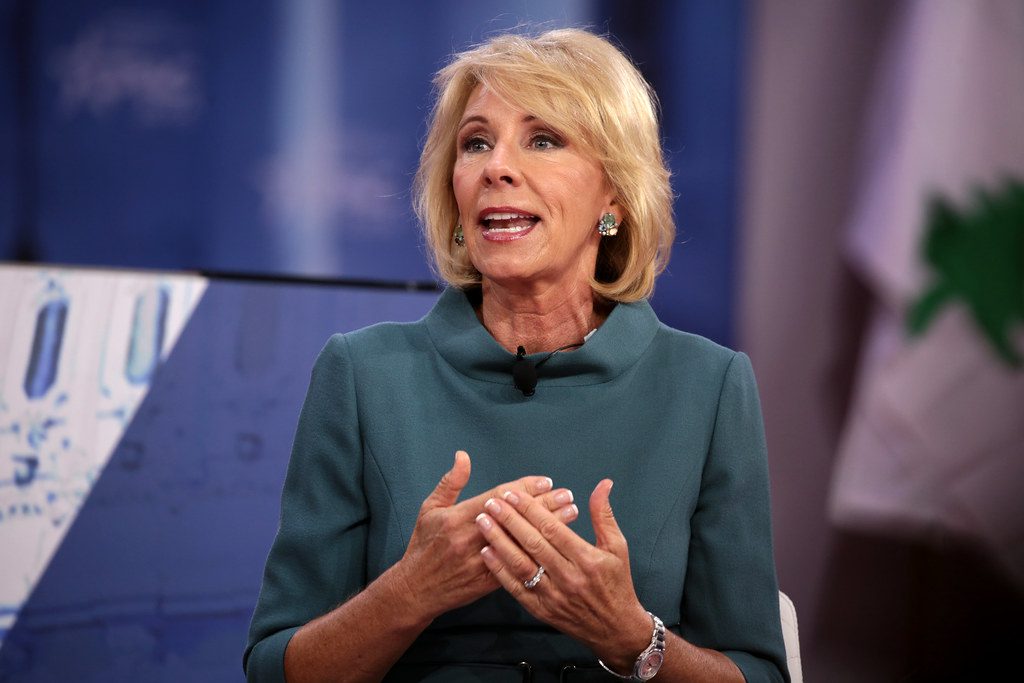
Wade Miquelon, the former chief financial officer of pharmacy chain Walgreens, testified that the company was impressed by due diligence reports from big pharma firms Pfizer and Schering-Plough that Holmes had allegedly faked, and went on to partner with Theranos and invest US$140m.
The culture of secrecy and deceit was endemic at Theranos, from the board to its employees – who have told the court of poor work conditions and fears of legal repercussions if they spoke out.
Sunil Dhawan, who served as Theranos’ lab director in 2014-2015, testified that he had only been to the firm’s labs a handful of times, and rarely interacted with its technicians.
Erika Cheung, the former employee who made the initial report to regulators in 2015, took the stand recently to tell jurors she was “starstruck” by Holmes, but quickly grew uncomfortable with the company’s practices.
Questions arose about the accuracy of test results, after a test performed on Cheung’s own blood samples wrongly determined she had a vitamin D deficiency she knew she did not have.
Theranos’ story emblematic of a larger problem in Silicon Valley
Many see Holmes’ downfall the result of an environment in which faulty ideas are allowed to flourish, and where failure is seen as a necessary obstacle on the path to success.
“This is what happens when you work to change things,” Holmes told CNBC in 2015.
“First they think you’re crazy, then they fight you, then you change the world.”
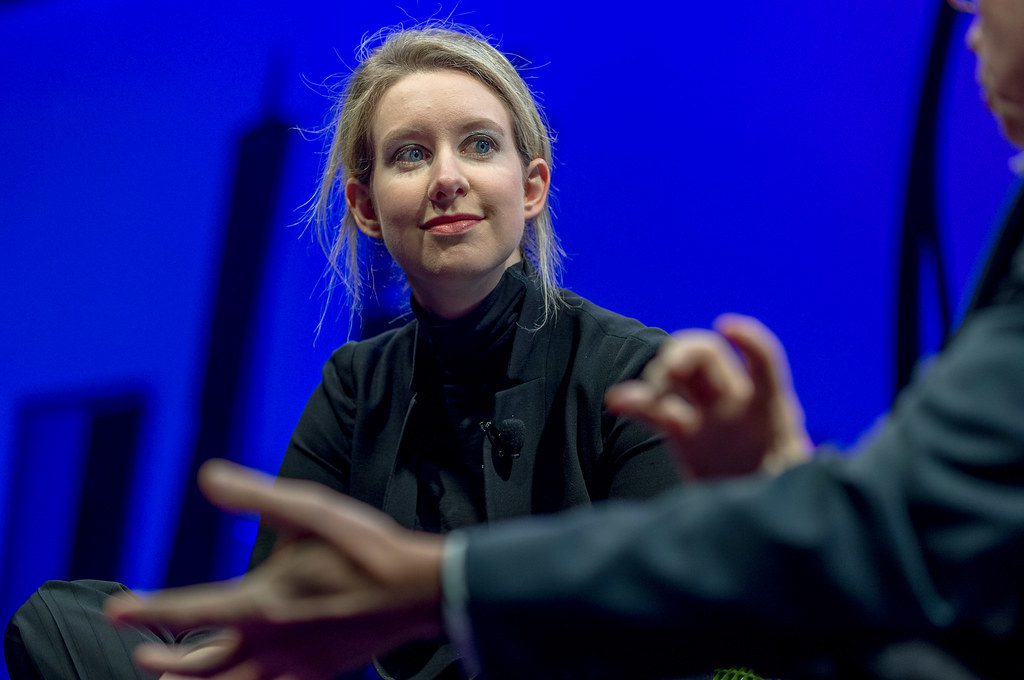
People with a close eye on the trial say it is remarkable how tightly Holmes has clung to her version of events.
Her lawyers have told courts she has been grossly misrepresented, and that Holmes is a hard working, honest businesswoman, who never had any intention to commit fraud.
Nevertheless, Theranos’ monumental failure speaks volumes of a warped value system in Silicon Valley.
Phrases like Mark Zuckerberg’s famous motto “move fast and break things” and “fake it till you make it”, express the idea that in order to achieve success, you must “disrupt” the normal or traditional ways of doing things,
“Problems in the product are easy in Silicon Valley, a working technology demo is always several agile sprints away using iterative prototyping; at least that is what many of us have been brainwashed to think,” a former Theranos employee told the Washington Post.
“At Theranos this was the philosophy.”
More than 200 potential witnesses have been identified during the court proceedings; the case grows more complex by the day, with several jurors excused for financial hardship, legal fears, and in one bizarre instance: playing sudoku in court.
This risks the possibility of Holmes’ trial ever reaching a verdict: one which the world is anxiously waiting for.
-
 News4 days ago
Ukraine conducts largest drone attack on Moscow
-
News1 day ago
Super El Niño to cause heat deaths globally
-
Shows4 days ago
Confidence in Slough’s regeneration and community growth
-
News4 days ago
Trump proposes new AI Force amid AI debate
-
News2 days ago
Meta tests human concierge for Muse AI assistant
-
News3 days ago
Iran’s U.N. visit aims for Middle East diplomacy
-
Ticker Views2 days ago
‘Australians aren’t stupid’: Inflation anger grows
-
News3 days ago
Two-thirds of Australians support immigration cuts