News
USA alert test triggers memory of Hawaii missile alert

Enhancing National Preparedness: The Nationwide Emergency Alert System Test
On October 4, the United States is set to conduct a crucial nationwide emergency alert system test, a vital evaluation of the nation’s ability to disseminate critical information effectively during emergencies.
This upcoming test is a significant event, not just as a routine check but also in response to notable past incidents that underscore the imperative of a robust emergency alert system. One such incident took place on January 13, 2018, in the state of Hawaii, when an accidental alert was issued via the Emergency Alert System and Wireless Emergency Alert System.
This alert, transmitted across various media platforms including television, radio, and cellphones, advised citizens to seek shelter due to an incoming ballistic missile, concluding with the chilling declaration: “This is not a drill.”
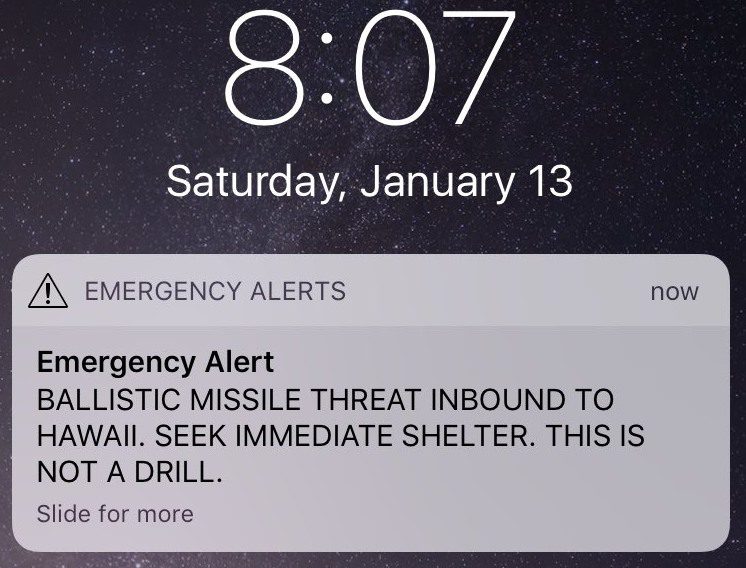
The subsequent 38 minutes and 13 seconds were filled with panic and uncertainty, until state officials clarified that the alert had resulted from a miscommunication during a routine drill at the Hawaii Emergency Management Agency. The incident prompted a public apology from David Ige, the governor of Hawaii, acknowledging the distress it had caused.
Additionally, it triggered investigations by the Federal Communications Commission and the Hawaii House of Representatives, ultimately leading to the resignation of the state’s emergency management administrator. This incident served as a stark reminder of the critical importance of a well-functioning, error-free emergency alert system.
Fast forward to the present, the nation is preparing for the upcoming nationwide emergency alert system test scheduled for October 4. At the designated time, a loud alert tone will resonate across all devices, followed by a test message that clearly identifies its nature as a simulation meant to evaluate the readiness and functionality of the emergency alert infrastructure. This exercise aims to assure citizens that the emergency alert system is well-prepared and efficient in conveying vital information during a crisis.
Citizens are strongly encouraged to pay close attention to this test, acquaint themselves with the alert sound and message, and comprehend its profound significance in the broader context of preparedness for potential emergencies in the future. The October 4 nationwide emergency alert system test represents a commitment to learning from past incidents and continuously improving preparedness measures to protect citizens and ensure a resilient society. It highlights the nation’s dedication to enhancing its communication systems, thereby reinforcing the safety and security of its populace.

-
 News5 days ago
Ben Roberts-Smith arrested for war crimes allegations
-
Tech5 days ago
Investors pressure tech firms on water usage
-
Ticker Views2 days ago
Artemis II crew will endure 3,000°C on re‑entry
-
News3 days ago
North Korea tests cluster warhead on missile
-
Shows5 days ago
Melbourne property market analysis: value, challenges, and growth
-
Tech4 days ago
Apple shares drop on foldable iPhone delays
-
News2 days ago
OpenAI introduces $100 monthly ChatGPT Pro subscription
-
Leaders3 days ago
Australia raises over $3 million for Middle East crisis