
News
Ukraine aims for mass drone production despite ongoing attacks




News
UK police seek former aides’ insights on Prince Andrew
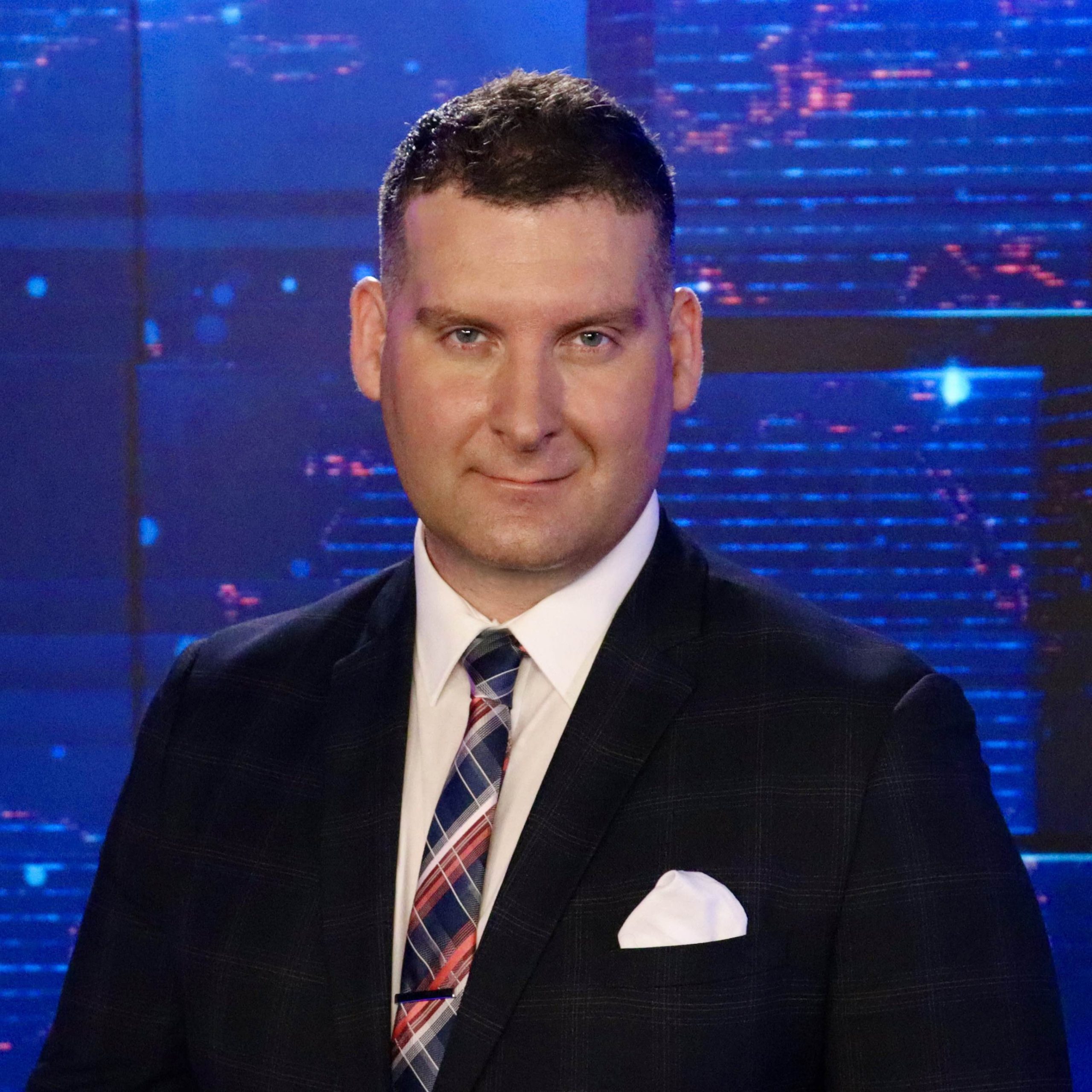
UK police contact ex-protection officers of Prince Andrew amid misconduct investigation linked to Jeffrey Epstein allegations

UK police contact ex-protection officers of Prince Andrew amid misconduct investigation linked to Jeffrey Epstein allegations

– Police seek former protection officers of Prince Andrew for info on alleged Epstein-related offences.
– Authorities consider removing Mountbatten-Windsor from royal succession after investigation conclusions.

The recent allegations stem from claims that Mountbatten-Windsor shared confidential government documents with Epstein during his time as a trade envoy. The London Metropolitan Police is now identifying former officers who may assist in the ongoing investigation and has encouraged them to share any pertinent information.
Mountbatten-Windsor has denied wrongdoing in the Epstein matter.
In 2022, he settled a civil lawsuit filed in the U.S. by Virginia Giuffre, who accused him of sexual abuse. Reports indicated he paid her approximately £12 million, a claim he denies.
Police Investigation
London authorities are reassessing previous decisions not to pursue criminal investigations related to Epstein’s activities.
Recent document releases from the U.S. government have prompted police to explore allegations of human trafficking involving Epstein at UK airports.
Police have been actively searching Mountbatten-Windsor’s residences as part of their investigation. His arrest marks an unprecedented event in modern royal history, raising significant public interest and concern in various countries.

News
Supreme Court strikes down Trump’s tariffs, plans 10% global levy
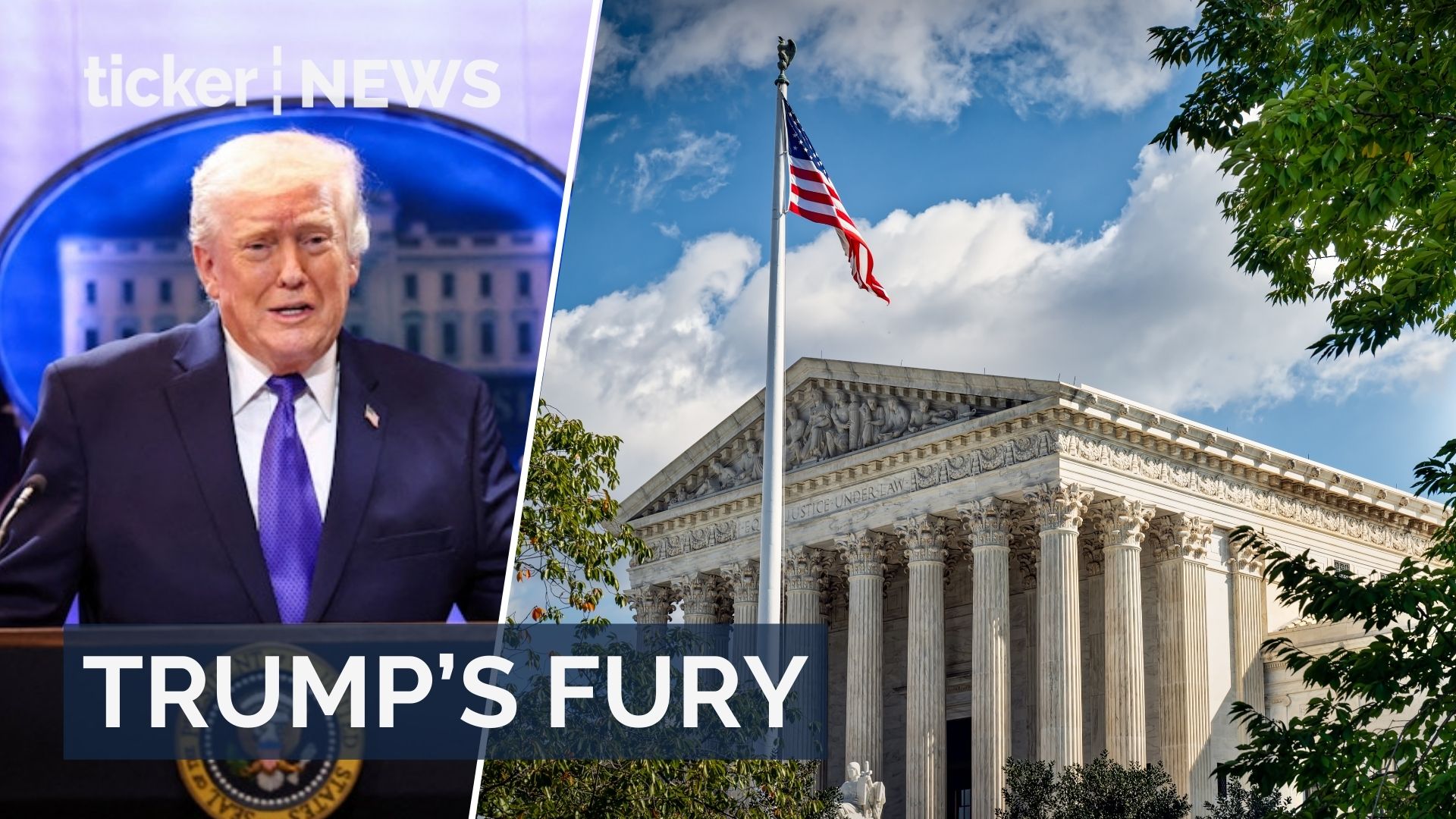
Trump vows new 10% global tariff after Supreme Court rules against his previous tariffs, calling the decision ‘deeply disappointing’
Trump vows new 10% global tariff after Supreme Court rules against his previous tariffs, calling the decision ‘deeply disappointing’
– The U.S. Supreme Court has ruled that Trump lacks authority for tariffs without Congress support.
– Over 1,000 refund lawsuits from importers complicate the tariff issue, particularly for smaller businesses.
Learning Resources Inc., a toy company led by Rick Woldenberg, has contested these tariffs, potentially qualifying for refunds. Woldenberg hopes the Supreme Court ruling will initiate reflection on necessary economic adjustments.
Economic Impact
Economists suggest consumers may not notice significant changes due to persistent tariffs on numerous products. U.S. Treasury estimates predict the deputy’s revenue will remain largely unchanged despite Trump’s new plans to increase tariffs through other channels, specifically under Sections 122 and 301 of the Trade Act.
Trump’s forthcoming address to Congress is expected to address the implications of this ruling, which notably undermines a fundamental aspect of his trade agenda.
Despite past assurances regarding reform, uncertainties remain for both businesses and consumers as the administration explores future tariff strategies.
News
Bill Gates withdraws from India AI Impact Summit before keynote
Bill Gates withdraws from India’s AI Impact Summit amid renewed scrutiny over past ties to Jeffrey Epstein.

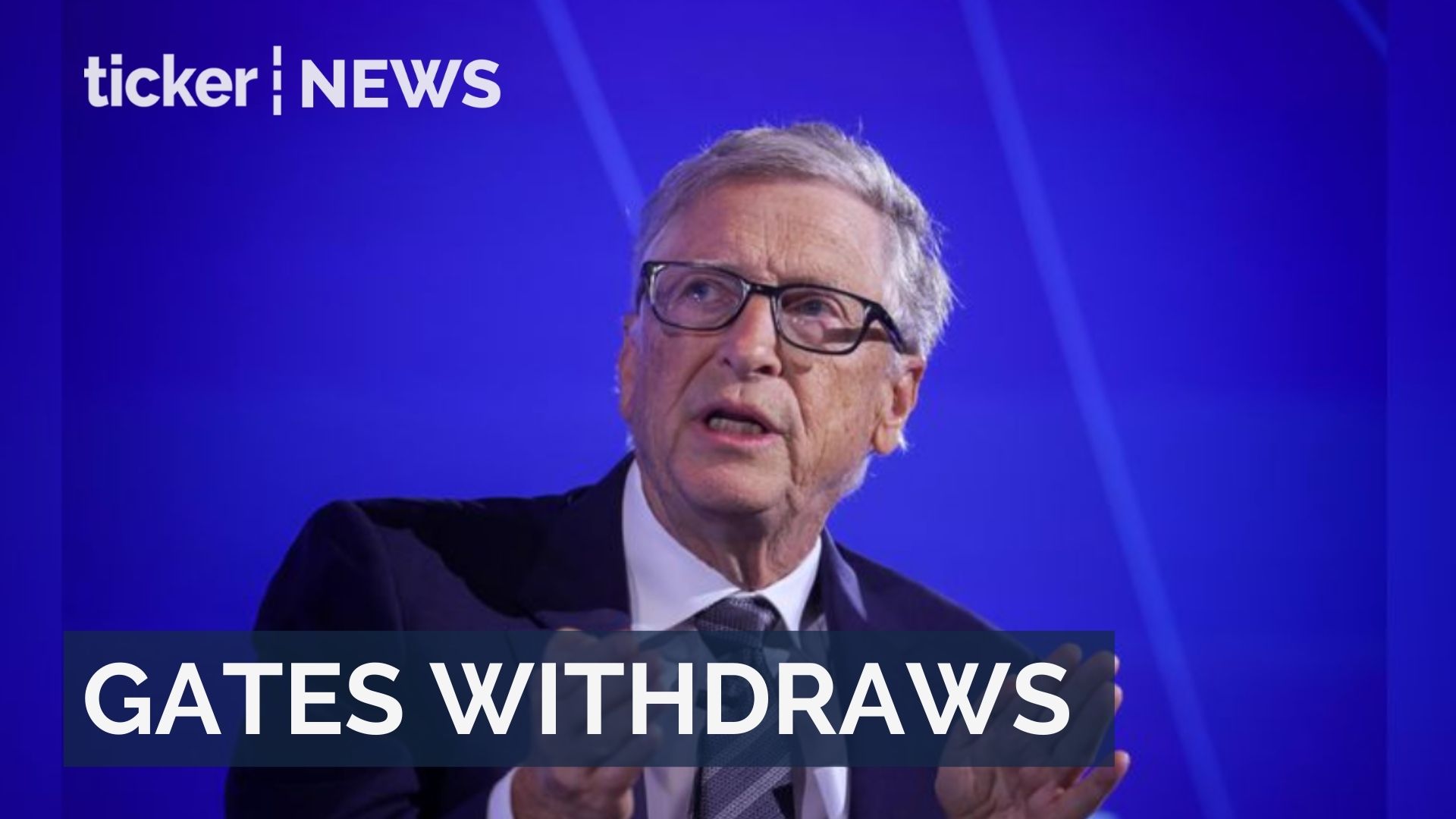
Bill Gates withdraws from India’s AI Impact Summit amid renewed scrutiny over past ties to Jeffrey Epstein.
Bill Gates has withdrawn from India’s AI Impact Summit just hours before his keynote, as scrutiny grows over his past ties to Jeffrey Epstein following the release of US Justice Department emails.
The summit has faced criticism over organisational issues and traffic disruptions, drawing attention away from its mission. Despite the chaos, it has secured over $200 billion in investment commitments, including a major pledge from Reliance Industries.
Indian Prime Minister Narendra Modi used the platform to stress the importance of protecting children in the rapidly evolving world of AI.
Subscribe to never miss an episode of Ticker – https://www.youtube.com/@weareticker
-
 Tech3 days ago
Sam Altman predicts superintelligence could appear by 2028
-
News3 days ago
Andrew Mountbatten-Windsor released after 12-hour questioning
-
News4 days ago
Ukraine Russia peace talks stall with no breakthrough
-
Tech4 days ago
Zuckerberg testifies on social media addiction and child safety
-
Ticker Views4 days ago
Can diplomacy survive the Iran-US nuclear standoff?
-
Money5 days ago
Australian Dollar surges: What $0.70 means for markets
-
Money3 days ago
Oil hits seven-month high, and gold surpasses $5,000 amid US-Iran tensions
-
News5 days ago
Iran and U.S. reach preliminary nuclear agreement in Geneva