News
Trump rejects Iran proposal, extends naval blockade
Trump rejects Iran’s proposal, orders extended naval blockade amid escalating conflict over Strait of Hormuz and oil supply disruptions

Trump rejects Iran’s proposal, orders extended naval blockade amid escalating conflict over Strait of Hormuz and oil supply disruptions

– Trump rejected Iran’s Strait of Hormuz proposal and ordered preparations for a prolonged naval blockade.
– The blockade escalates conflict, impacting global oil supply and halting diplomatic negotiations.


Trump’s dismissal of the proposal coincided with his comments on Truth Social, where he claimed Iran is “collapsing” and urged the reopening of the strait.
The proposal had included delaying discussions on Iran’s nuclear programme contingent on the lifting of U.S. sanctions.
Sources indicate that the U.S. remains firm on not engaging in media negotiations and has established clear red lines with Iran.
Trump views the blockade as the “least risky” option compared to airstrikes or withdrawal from the conflict.

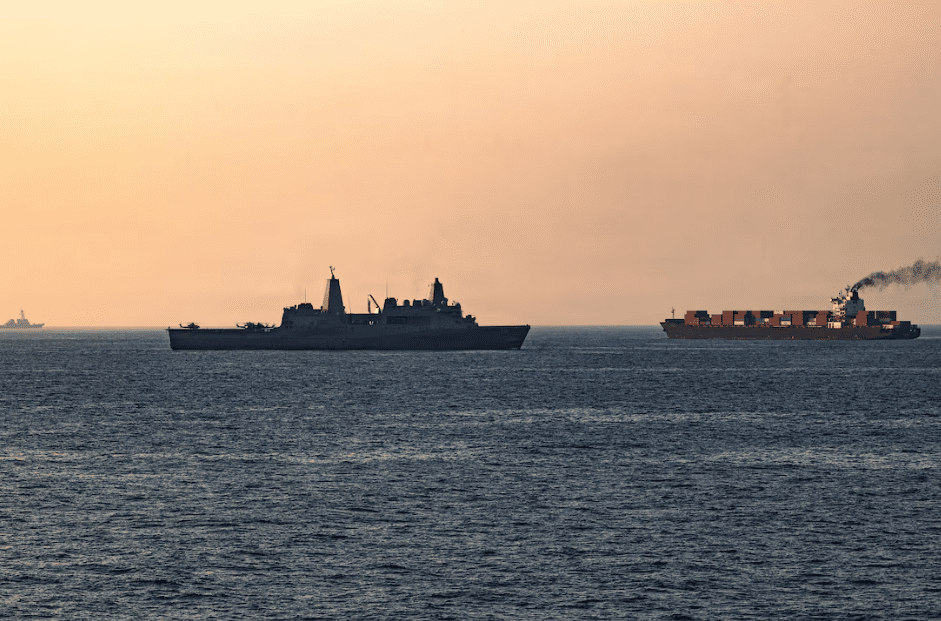
U.S. forces patrol the Arabian Sea near the Iran-linked merchant ship Touska in the U.S. Central Command area of responsibility, April 20, 2026.
In enforcing the blockade, U.S. Central Command has deployed over a dozen warships and more than 10,000 personnel.
As a result, oil prices have continued to rise amid halted shipping through the strait.
Diplomatic efforts remain stalled, with Iran refusing to negotiate while U.S. restrictions persist.
Tehran’s recent meetings with Russia are indicative of its attempt to increase diplomatic pressure on Washington.