
Connect with us
https://tickernews.co/wp-content/uploads/2023/10/AmEx-Thought-Leaders.jpg

News

“This will kill the Great Barrier Reef as we know it”

Published

on

UNESCO’s recent ruling to not list the Great Barrier Reef has been met with critisim

After much anticipation, the World Heritage Committee has decided to not list the Great Barrier Reef as “in danger”.

The Australian Government reacted angrily when the United Nations Educational, Scientific and Cultural Organisation (UNESCO) released a draft decision in late June to place the reef on the “in danger” list.

Greens Senator Lidia Thorpe says the Australian Government must take action urgently, to protect the reef.

“it’s clearly a political decision, and not one that benefits the environment at all. It just goes to show that the government with the international fossil fuel industry might have made a deal to ensure that this didn’t go ahead.”

https://twitter.com/tickerNEWSco/status/1419564078888931331?s=20

“The Great Barrier Reef has been in trouble for decades. And the UN so alerted us to the fact you know, a decade ago saying that it was on the extreme concern listing. And since then, we’ve had three bleaching. So it’s got worse.”

Senator Thorpe Says.
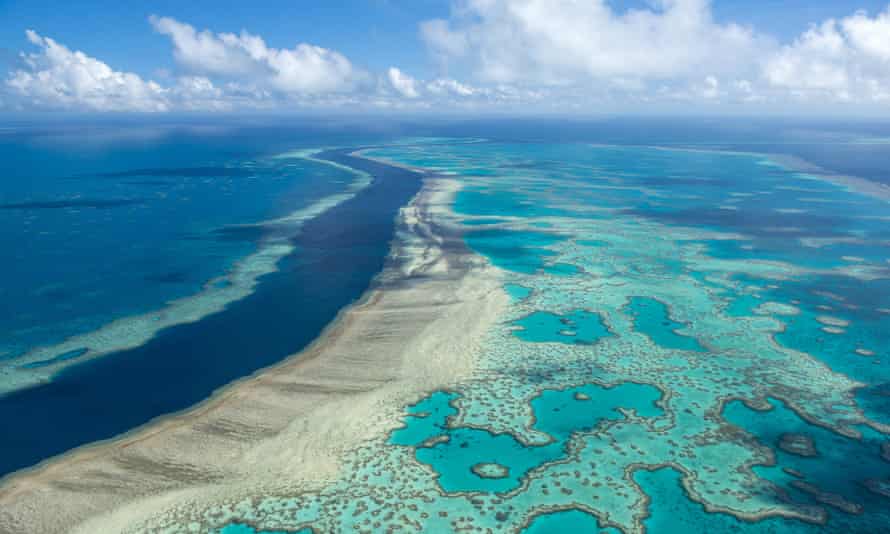
Environmental activists slam UNESCO decision

The ruling to not classify the Barrier Reef as an endangered World Heritage Site has been heavily critisised.

Senator Thorpe says despite extensive climate change-spurred damage to the ecosystem’s corals – nothing seems to be getting actioned by leaders.

Thorpe and the Greens have been lobbying the Federal Government to take action and save the reef, which has expereicned three bleeching incidents since 2016.

The bleeching to the 2,300-km-long ecosystem was caused by rising ocean temperatures due to global warming.

Areas once teeming with vibrant corals have become lifeless washed-out wastelands, and two-thirds of the reef is believed to have been damaged in some way.
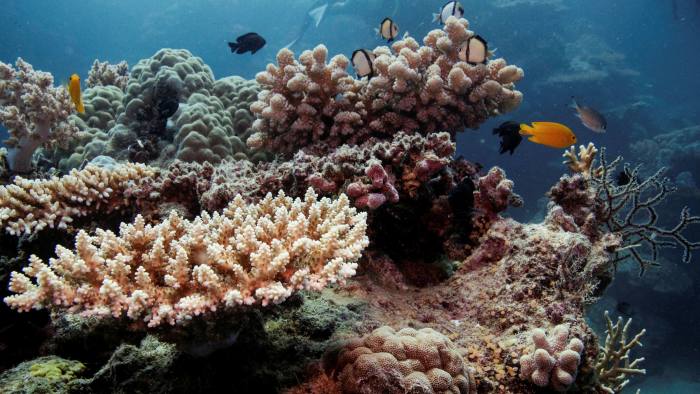
“They’re not basing it on science. They’re basing it on a political decision”

Despite the damage, the reef remains a vital tourist draw for Australia, which had feared an “in danger” label could deter post-pandemic visitors.

Australia’s Environment Minister Sussan Ley had flown to Paris earlier this month to personally lobby member states on the committee, while key ambassadors were invited on a reef snorkelling trip.

Last week Sussan Ley welcomed the decision and thanked the “esteemed delegates for recognising Australia’s commitment to protecting the Great Barrier Reef”.

Click to comment

Leave a Reply

Your email address will not be published. Required fields are marked *

News

Iran live updates: Trump claims Khamenei dead as Iran insists he remains in command

Published

on

video
play-sharp-fill

What’s happening in the Middle East?

Continue Reading

News

U.S. and Israel strike Iran as missiles hit Gulf bases and oil surges

U.S. and Israel launch major military operation against Iran; tensions rise as conflict escalates, impacting global markets.

Published

on

U.S. and Israel launch major military operation against Iran; tensions rise as conflict escalates, impacting global markets.

The United States and Israel have launched a sweeping military operation against Iran, striking leadership targets and more than 500 military sites in what President Trump has dubbed Operation Epic Fury.

Explosions have rocked Tehran, with civilians fleeing the capital as U.S. sea and air assets carry out sustained attacks. Washington says the mission is designed to prevent a nuclear armed Iran and has even called on Iranians to rise up against the regime.

Iran has retaliated with a barrage of missiles and drones targeting Israel and U.S. bases across the region, including in Qatar, Kuwait, the United Arab Emirates and Bahrain. While many projectiles were intercepted, a U.S. base in Bahrain sustained damage.

Gulf states long seen as stable hubs for global business are now directly in the firing line, raising fears of a wider regional war.

Oil prices are climbing and tankers are diverting from the Strait of Hormuz as markets react to the escalating conflict. U.S. aircraft carriers, advanced fighter jets and missile destroyers remain in position, signalling more strikes could follow.

With global leaders scrambling diplomatically, the world is watching to see whether this spirals further or shifts back to negotiations.Download the Ticker app

Continue Reading

News

Iran warns ships to avoid Strait of Hormuz

Iran warns ships to avoid Strait of Hormuz amid rising tensions and military buildup in the region

Published

on

Iran warns ships to avoid Strait of Hormuz amid rising tensions and military buildup in the region

video
play-sharp-fill
In Short:
– Iran’s Guard Corps advises ships to avoid the Strait of Hormuz due to rising tensions.
– Tankers have diverted to Qatar and UAE amidst concerns over safety and potential Iranian threats.
Iran’s Islamic Revolutionary Guard Corps has instructed ships to avoid the Strait of Hormuz, a crucial shipping lane linking to the Persian Gulf. About a hundred merchant vessels transit the strait daily, according to the U.S.Tensions have escalated recently as the U.S. increased military presence in the region and Iran issued threats. Western nations are concerned about Iran potentially laying sea mines to disrupt commercial traffic. Currently, no evidence suggests Iran has mined the strait.

Banner

Ships have been repeatedly warned against entering the strait, as stated by crews in the area and the European Union’s naval command, Aspides. On Saturday, dozens of tankers diverted, with some seeking refuge in Qatar and the United Arab Emirates while others opted to steer clear of the region, as reported by oil brokers and shipowners.

Shipping Concerns

Tensions continue to impact shipping operations as carriers remain cautious in the Gulf region.

Tanker crews reported hearing explosions near Iran’s Kharg Island, which is vital for the country’s oil exports, as it handles 90% of its crude oil shipments.


Download the Ticker app

Continue Reading

Trending Now