

Money
These are the top three greatest Boeing passenger jets

Boeing has a rich history of manufacturing some of the most popular and successful aircraft in the aviation industry.
Among their top-selling models are the Boeing 777-300ER, 787-9, and 737-800. Let’s take a closer look at these three aircraft and their remarkable contributions to the aviation world.
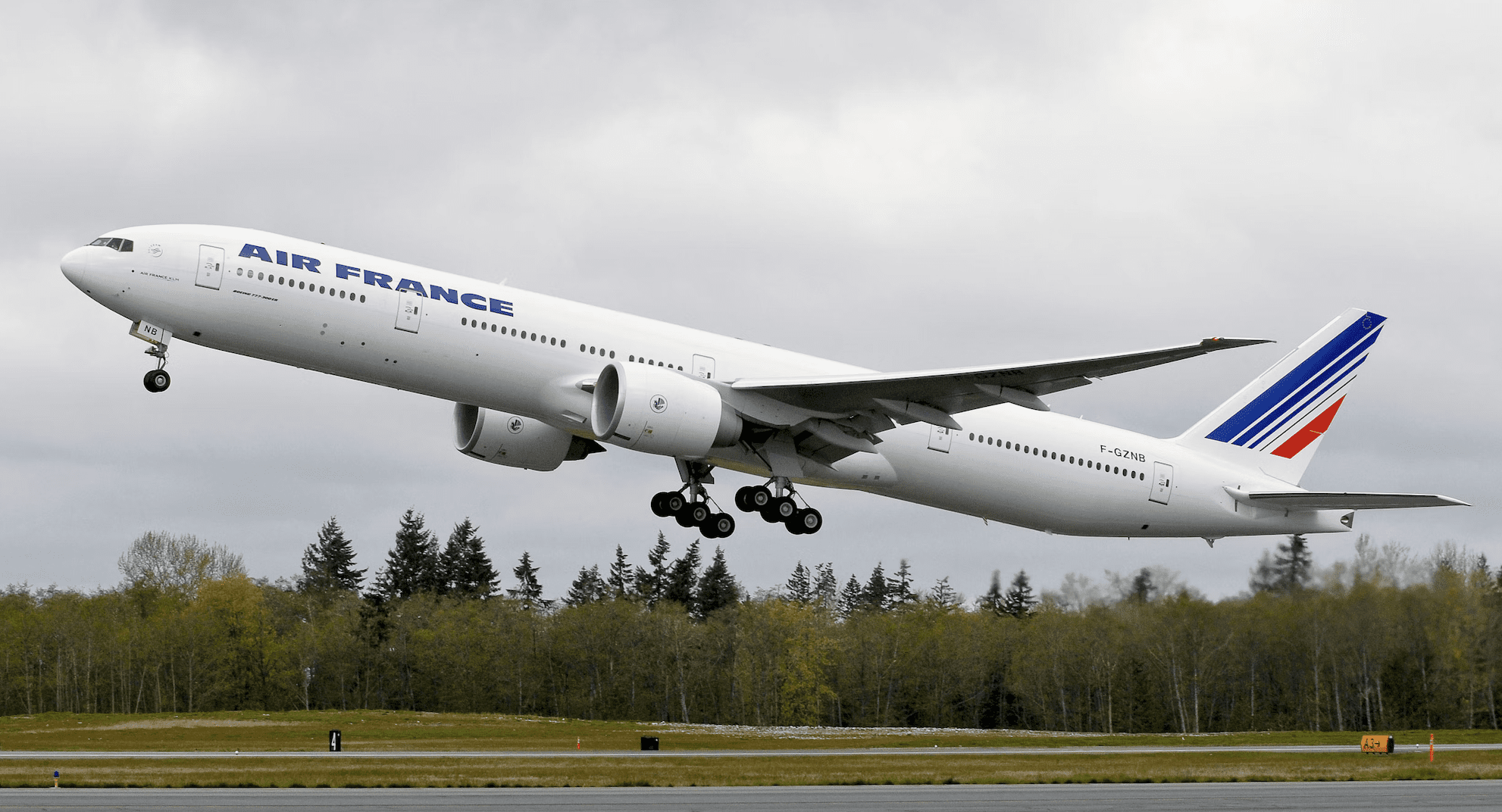
3. Boeing 777-300ER
The Boeing 777-300ER, which stands for Extended Range, is an ultra-long-haul aircraft that has been widely acclaimed for its exceptional range, fuel efficiency, and passenger comfort. It can carry up to 396 passengers in a typical two-class configuration and has a range of over 7,370 nautical miles.
Introduced in 2004, the 777-300ER quickly became a favorite among airlines for its ability to connect distant destinations without the need for refueling stops. Its advanced technologies, including powerful engines and aerodynamic enhancements, make it an industry leader in fuel efficiency.
The 777-300ER has been a game-changer for airlines operating long-haul routes, offering passengers a luxurious and spacious travel experience.
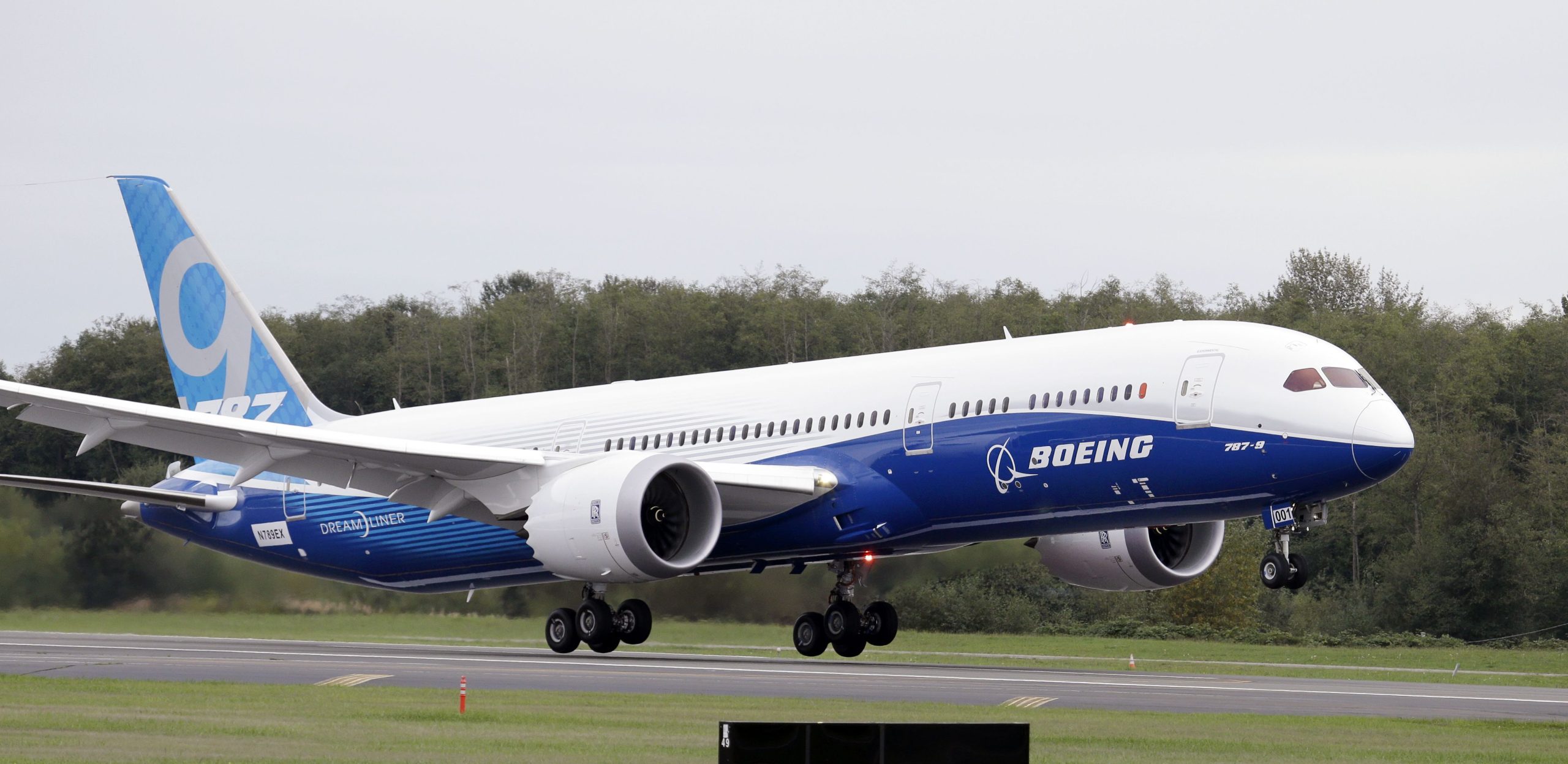
2. Boeing 787-9
The Boeing 787-9, part of the Dreamliner family, is a revolutionary aircraft known for its advanced composite materials, fuel efficiency, and passenger comfort. It is designed to carry around 296 passengers in a typical two-class configuration and has a range of approximately 7,530 nautical miles.
The 787-9 incorporates cutting-edge technologies, such as lightweight carbon fiber-reinforced polymer materials, which contribute to its fuel efficiency and reduced maintenance costs.
Additionally, it features large windows, improved cabin air quality, and reduced noise levels, providing passengers with a more pleasant and comfortable journey.
The 787-9 has been a game-changer in the industry, offering airlines greater flexibility to open new long-haul routes while reducing their environmental footprint.
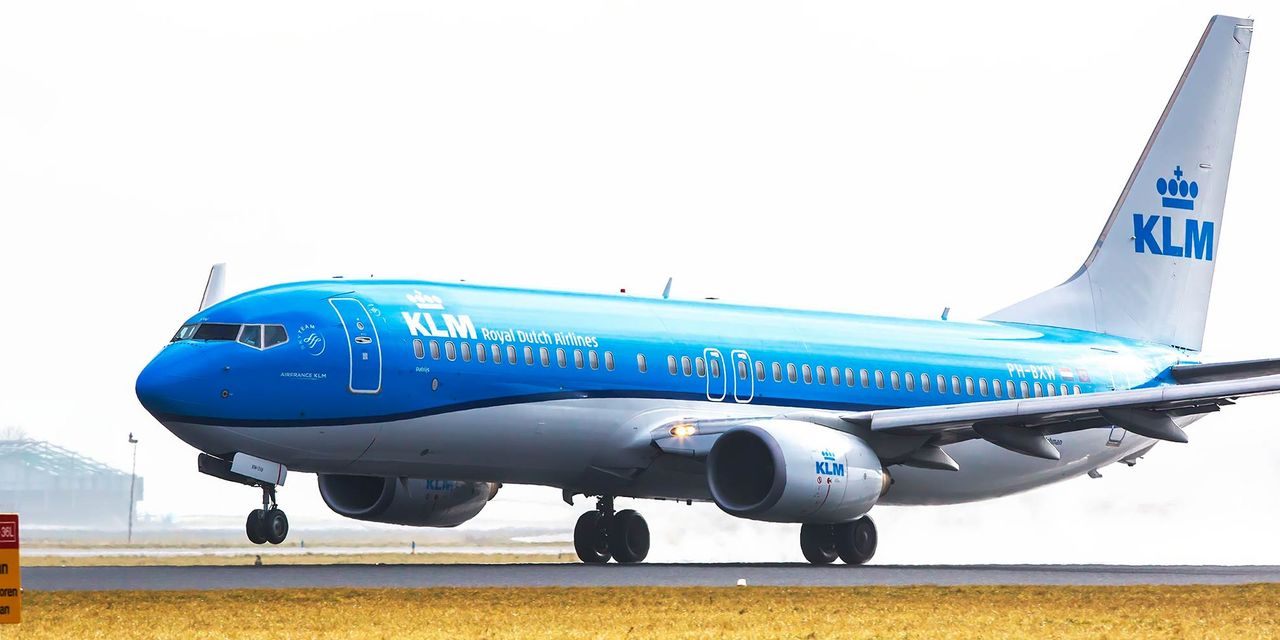
1. Boeing 737-800
The Boeing 737-800 is a workhorse in the aviation industry and one of the best-selling aircraft of all time. It is a narrow-body, single-aisle aircraft with a capacity of approximately 162 to 189 passengers, depending on the configuration.
The 737-800 is known for its reliability, versatility, and cost-effectiveness.
It has a range of around 3,060 nautical miles, making it suitable for both short-haul and medium-haul routes.
The aircraft’s popularity stems from its ability to operate efficiently in various market conditions, serving both low-cost carriers and full-service airlines.
Over the years, Boeing has continuously updated the 737-800 model with improved engines, aerodynamics, and avionics to enhance its performance and fuel efficiency.
In summary, the Boeing 777-300ER, 787-9, and 737-800 have played instrumental roles in shaping the aviation industry.
These aircraft have offered airlines and passengers remarkable features, including extended range, fuel efficiency, passenger comfort, and operational versatility.
The continuous advancements made by Boeing have ensured that these models remain popular choices for airlines worldwide.

-
 Tech4 days ago
Meta to cut 20% workforce for AI focus
-
News3 days ago
Iran threatens infrastructure if U.S. attacks plants
-
Tech4 days ago
OpenAI to introduce ads for free ChatGPT users
-
News5 days ago
Oil prices surge on Middle East supply disruptions
-
Money4 days ago
Global stock markets fall amid oil price surge
-
Tech20 hours ago
Meta ordered to pay $375 million for violations
-
Tech3 days ago
Spotify bets on AI to retain subscribers
-
News3 days ago
Iran threatens U.S. financial institutions