Money
Theranos founder faces court on fraud charges

The trial into the now-defunct blood testing startup Theranos has begun, with founder Elizabeth Holmes facing several charges of criminal fraud.
Prosecutors alleged Holmes “lied and cheated” for money and fame during the first day of one of the most closely watched trials of a U.S corporate executive in years.
The former Silicon Valley star is accused of deceiving investors and patients, by claiming Theranos technology could detect common illnesses using just a few drops of blood from a finger prick.
The company collapsed in 2015 after it emerged the blood-testing devices did not work, and had instead been operating commercially available machines made by other manufacturers.
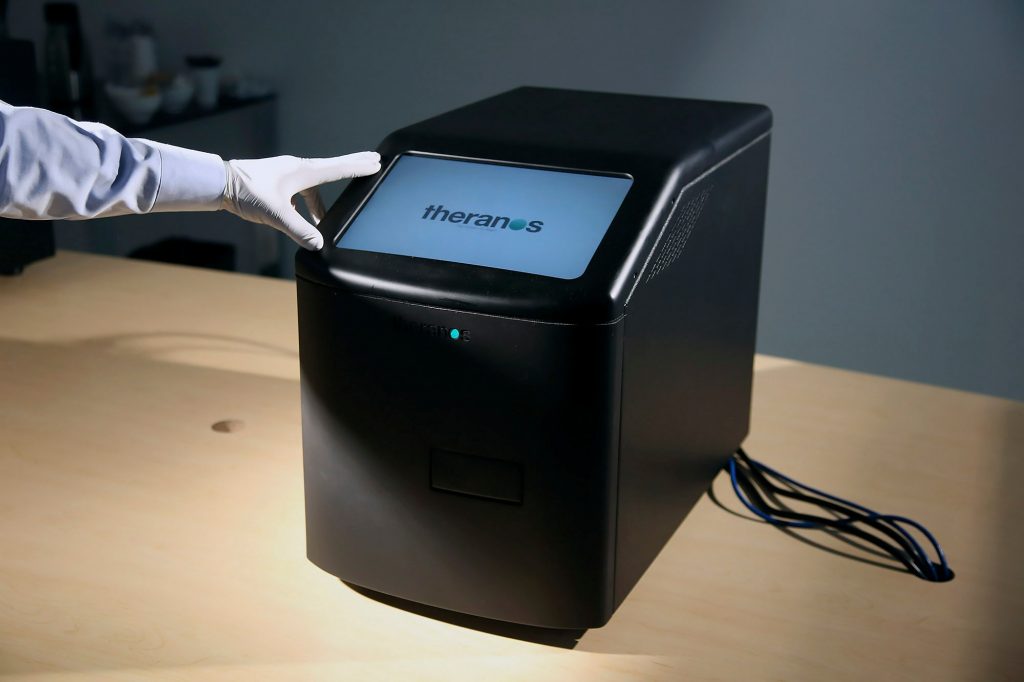
“Significant problems brewing”
Prosecutors claimed that Holmes and other executives turned to fraud in 2009 after big pharmaceutical firms refused to back Theranos and the company faced bankruptcy.
Holmes lied about tests and exaggerated the company’s performance to secure millions of dollars of investments between 2010 to 2015.
This included false claims that the tests had been processed by pharmaceutical giant Pfizer, and that the technology was being used in the field by the U.S military.
Defence tells court Holmes is “no villain”
At the centre of Holmes’ defence is the argument she never intended to commit fraud.
Instead, they argue, Theranos is a high-profile example of a startup that simply did not work, much like thousands of other failed business ideas.
They told jurors that Holmes is not a villain, but rather a hard-working, young and naive businesswoman, who poured much of her life into the company.
“Failure is not a crime. Trying your hardest and coming up short is not a crime,” defence attorney Lance Wade said.
“In the end, Theranos failed and Ms Holmes walked away with nothing,” he told the jury.
Former executive and romantic partner also charged
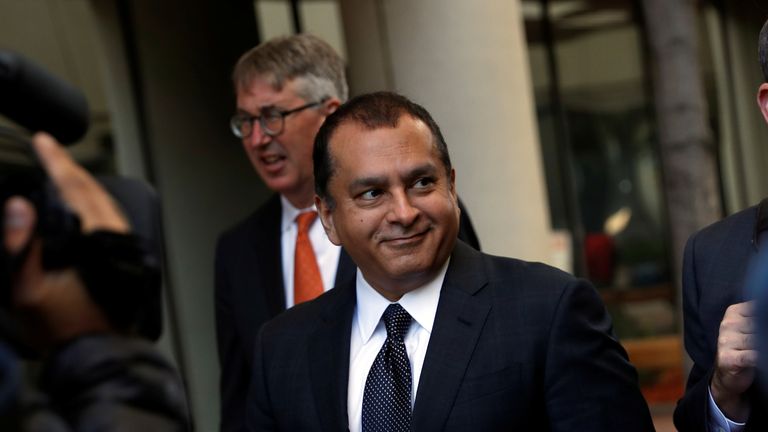
Ex-Theranos executive Ramesh Balwani – who was romantically involved with Holmes for years, faces the same charges, but will be tried separately.
He has pleaded not guilty.
According to court documents released to the public, Holmes has accused Balwani of years of emotional and psychological abuse – allegations which Balwani denies.
Holmes’ lawyers have indicated she is highly likely to take the witness stand and testify about the effect her relationship with Balwani had on her mental state.
Court case the culmination of ill-fated saga
Holmes’ story is one which has peaked public interest.
After founding Theranos in 2003, aged 19, Holmes was fast-tracked for Silicon Valley success – she was at one point dubbed the world’s youngest self-made female billionaire and the “next Steve Jobs”.
Theranos “dazzled” large firms such as Walgreens and pharmacy companies into agreeing testing partnerships, as well as securing investments from high-profile figures like media mogul Rupert Murdoch and former U.S secretary of state Henry Kissinger.
Her story has become the subject of documentaries, podcasts and books. A TV miniseries and a film based on her life are in the works.
A tumultuous story will now culminate in a decision made in a California courtroom, with the case expected to last months.
If guilty, Holmes faces up to 20 years in prison.
-
 News4 days ago
Nvidia supports Chinese AI amid U.S. concerns
-
News4 days ago
Yayoi Kusama, influential Japanese artist, dies at 97
-
News4 days ago
Warsh faces pressure on inflation’s status and solutions
-
News4 days ago
Himalayan flood risks prompt urgent warnings
-
Shows4 days ago
Exploring the complexities of early childhood education in Australia
-
News4 days ago
Kevin Warsh takes centre stage as markets await fresh rate clues
-
News19 hours ago
Flash flood causes chaos in Grand Canyon
-
News20 hours ago
U.S. forces strike Iranian launchers on Larak Island