News
Sydney house prices face largest decline in 40 years
Sydney house prices face largest decline in 40 years as interest rates rise and economic growth slows

Sydney house prices face largest decline in 40 years as interest rates rise and economic growth slows

– Sydney house prices have dropped significantly, with a projected annual decline of 18.4%.
– Interest rate increases may further strain the weakened housing market and economy.

Housing market downturn
Cotality reports a 4.6 per cent drop in Sydney dwelling prices, indicating a projected annual decline of 18.4 per cent if this pace continues.
The city has seen a decline of over 7 per cent since its peak, which surpasses previous corrections.
Tim Lawless from Cotality asserts that Sydney is heading towards its largest correction in four decades.
He notes this downturn is likely entrenched, with further rate rises exacerbating price drops.
National home prices decreased by 0.9 per cent in August, with multiple capital cities experiencing larger falls.
PropTrack’s analysis also indicates a 0.3 per cent average decline in capital cities throughout August.
Voter sentiment varies, with 62 per cent supporting stable or rising house prices.
Predictions for the economy suggest minimal growth in the June quarter, raising concerns of stagflation or recession.
Andrew Boak from Goldman Sachs forecasts zero growth, while Paul Bloxham from HSBC anticipates just 0.1 per cent growth.
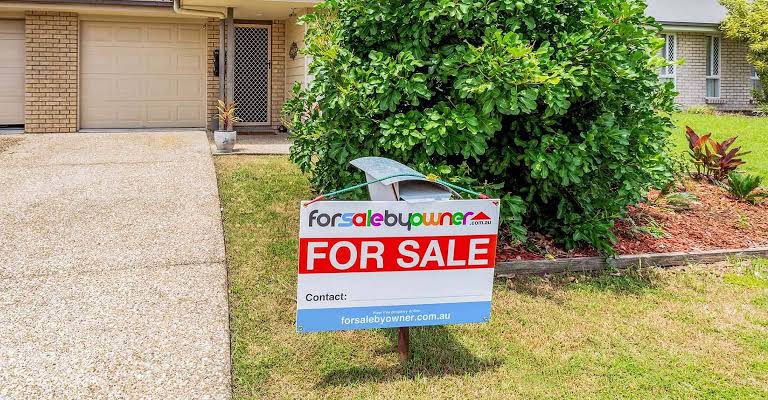
Data centre investments
Goldman Sachs argues that the data centre construction boom may not sufficiently stimulate the economy.
The impact of this construction is expected to peak at 30 basis points added to GDP growth by 2027 but may shift to a minor drag afterward.
Investment totaling $130 billion is projected for data centres through 2029-30, representing only 1 per cent of GDP.
Although there are 162 operational data centres in Australia, the actual economic contribution may be limited.
Treasury warns of challenges in measuring economic benefits from data centre investments compared to past booms.
The import intensity of these investments is high, as much of the equipment is sourced internationally.
Overall, the housing market and broader economy face significant challenges in the near term.
-
 News2 days ago
Saudi Arabia faces renewed missile and drone attacks
-
Shows2 days ago
Hospitality industry faces crisis with rising insolvencies
-
News2 days ago
Selma Blair arrested for in-flight incident aboard Delta
-
Shows2 days ago
Midkey offers flexible loans for homeowners accessing equity
-
News2 days ago
ATO targets trusts, leading to $13.3bn costs
-
News2 days ago
‘Russia is a fail safe’: Iran conflict mediation
-
News3 days ago
Iran rejects U.S. response on Strait of Hormuz
-
Ticker Views3 days ago
France’s student protests revive 1968 comparisons amid political tensions