
Connect with us
https://tickernews.co/wp-content/uploads/2023/10/AmEx-Thought-Leaders.jpg

News

Spotify faces downturn as user base declines

Published

on

Music streaming giant Spotify is now grappling with a significant decline in its user base.

Analysts point to a combination of factors contributing to Spotify’s woes. One major concern is the rise of alternative platforms offering unique features and a diverse range of content, enticing users away from the once-unrivalled Spotify.

Additionally, controversies surrounding artist compensation and royalty disputes have tarnished the platform’s image, leading to growing discontent among both musicians and listeners.

The company’s stock prices have experienced a notable dip in response to the user base decline. Spotify now faces the challenging task of regaining its footing in an increasingly competitive market.

Industry experts are closely watching how the platform plans to innovate and address the issues that have led to its recent setbacks.

Spotify has also announced plans to lay off 17% of its global workforce. The decision comes as the company aims to optimise resources and focus on key business priorities in the face of evolving market dynamics.

The restructuring will impact various departments, including engineering and customer support, as Spotify looks to enhance efficiency and adapt to changing industry trends. The move is expected to generate cost savings for the company while allowing it to allocate resources to areas crucial for future growth.

Despite the layoffs, Spotify remains committed to delivering a seamless music streaming experience for its users and fostering innovation within the industry. The company has emphasised that these changes are part of a broader strategy to ensure sustained success and adaptability in an ever-evolving digital landscape.


News

Trump claims Iran military neutralised as Strait Of Hormuz tensions surge

Trump claims Iran’s military largely neutralized; tensions rise with attacks threatening air travel and oil shipping.

Published

on

Trump claims Iran’s military largely neutralized; tensions rise with attacks threatening air travel and oil shipping.


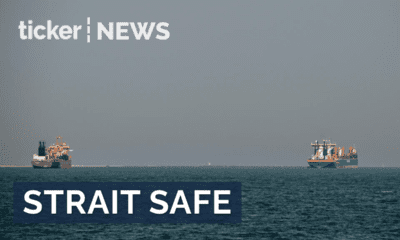
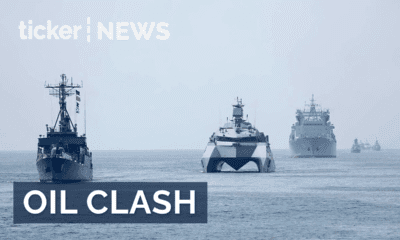
President Trump says Iran’s military capability has been largely neutralised, including its navy and air force, as the conflict in the Middle East intensifies. Iranian attacks have threatened commercial air travel and oil shipping through the Strait of Hormuz, raising fears of wider economic fallout.

The U.S. Embassy in Riyadh has faced two attacks, while Gulf states worked to intercept further Iranian strikes. Officials report six U.S. troops killed and more than 700 deaths inside Iran as the exchange of fire escalates.

With global markets watching closely, the region remains on edge as military and diplomatic tensions show no signs of easing.

Subscribe to never miss an episode of Ticker – https://www.youtube.com/@weareticker

#MiddleEastCrisis #Trump #Iran #Israel #StraitOfHormuz #BreakingNews #GlobalPolitics #TickerNews


Download the Ticker app

Continue Reading

News

Airlines face disruptions that surpass previous Middle East conflicts

Published

on

video
play-sharp-fill

What’s happening in the Middle East?

Continue Reading

News

Oil prices surge amid rising Middle East conflict risks

Crude oil surges 7% amid fears of Middle East conflict; Strait of Hormuz disruptions may push Brent over $100.

Published

on

Crude oil surges 7% amid fears of Middle East conflict; Strait of Hormuz disruptions may push Brent over $100.

Crude oil prices spiked dramatically as investors react to the growing risk of a wider conflict in the Middle East. U.S. crude surged 7.2 percent, trading near $71.84 a barrel, signalling heightened concern across energy markets.

The Strait of Hormuz, a critical shipping chokepoint, has come under intense scrutiny. Rising war-risk insurance premiums and suspended tanker traffic are already slowing the movement of oil, creating ripple effects in global supply chains.

JPMorgan has warned that prolonged disruptions over three weeks could force Gulf producers to reduce output, potentially pushing Brent crude prices to between $100 and $120 a barrel. Markets are closely watching for developments that could reshape global energy pricing.

Subscribe to never miss an episode of Ticker – https://www.youtube.com/@weareticker


Download the Ticker app

Continue Reading

Trending Now