

News
King Charles III has spent most of his life in waiting

King Charles III has spent most of his life in waiting.
But now, says former royal correspondent, Charles Rae, the longest serving heir to the throne in British history has a new and very immediate role.
“It’s very much, you know, the queen is dead. God save the king. Simple as that, it’s almost a seamless transition. And then there will be, then there’ll be, you will have (him) sit on the throne and get the crown at a later date, so it will be seamless in that sense. I mean, from the moment that the queen passes away, Charles is king. It’s that simple.”
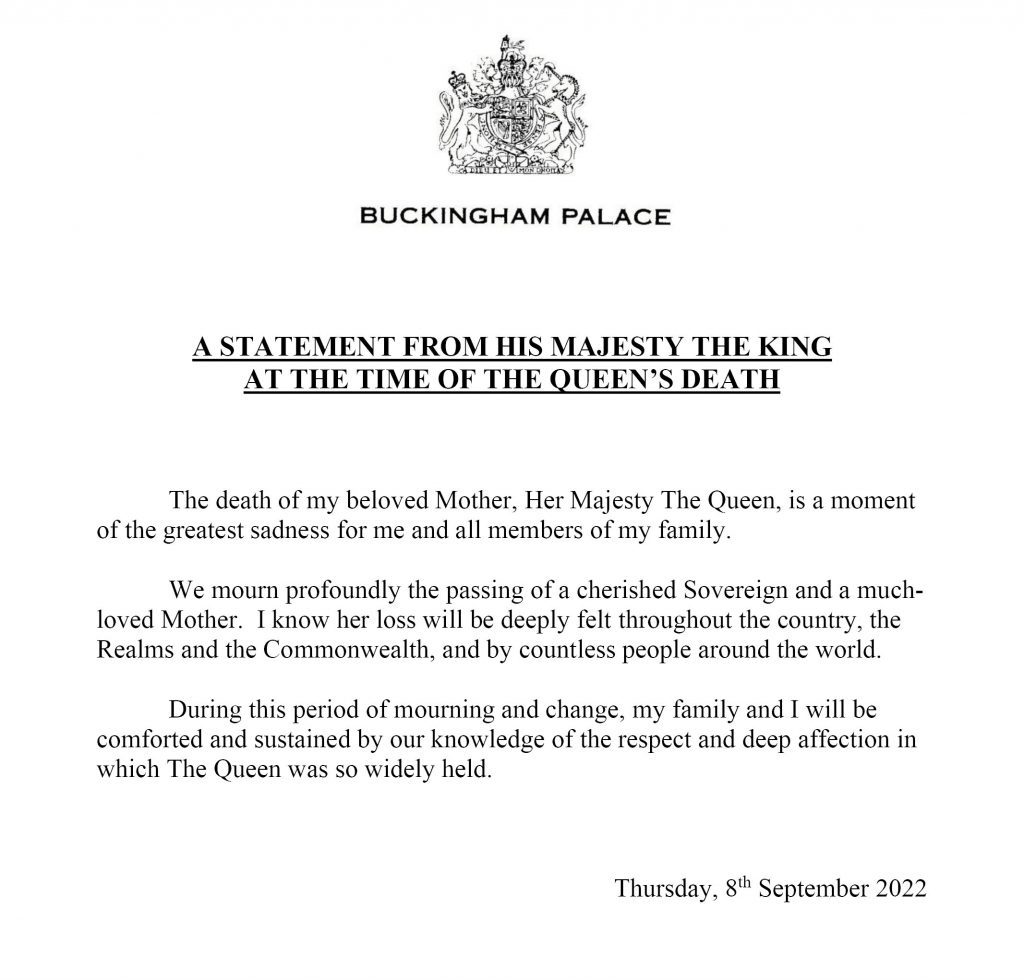
Born in 1948, he became heir apparent at the age of three, when the queen acceded to the throne on the death of her father George VI.
Following an unhappy time at school in a remote area of the Scottish Highlands, he studied at the University of Cambridge.
He was made Prince of Wales by the queen at the age of 20.
Charles then entered the military before leaving to concentrate on royal duties in 1976.
His relationship with his new subjects has been at times turbulent.
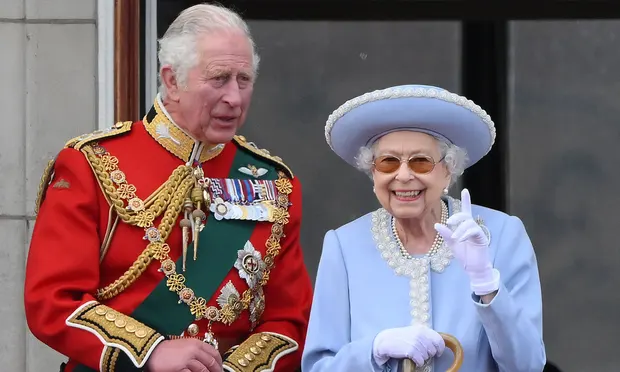
Following years of speculation about his marriage plans, Charles married 20-year-old Lady Diana Spencer in 1981 with a dazzling wedding ceremony at St Paul’s Cathedral.
Two sons and new heirs William and Harry later, the marriage ended in 1992.
The decision was apparently amicable at first, but emerged as acrimonious by the time of their eventual divorce in 1996.
The union was said to have been a disaster from the start. The tragedy was compounded by Diana’s death in a car crash in Paris a year later.
Charles was left looking an unlikely sovereign and royal-watchers openly questioned whether he would ever by crowned.
What will his legacy look like?
Author Penny Junor maintains he is a popular figure.
“There are always going to be people who don’t like him, because he has been quite a controversial figure. When the queen came to the throne, I don’t think anybody disliked her because nobody really knew her. Charles has been around for over 70 years, and he has, he has been active in those years. He’s got involved in all sorts of quasi political areas and expressed his views. But anybody that has come across Charles, I would say, or who knows him, will, will love him.”
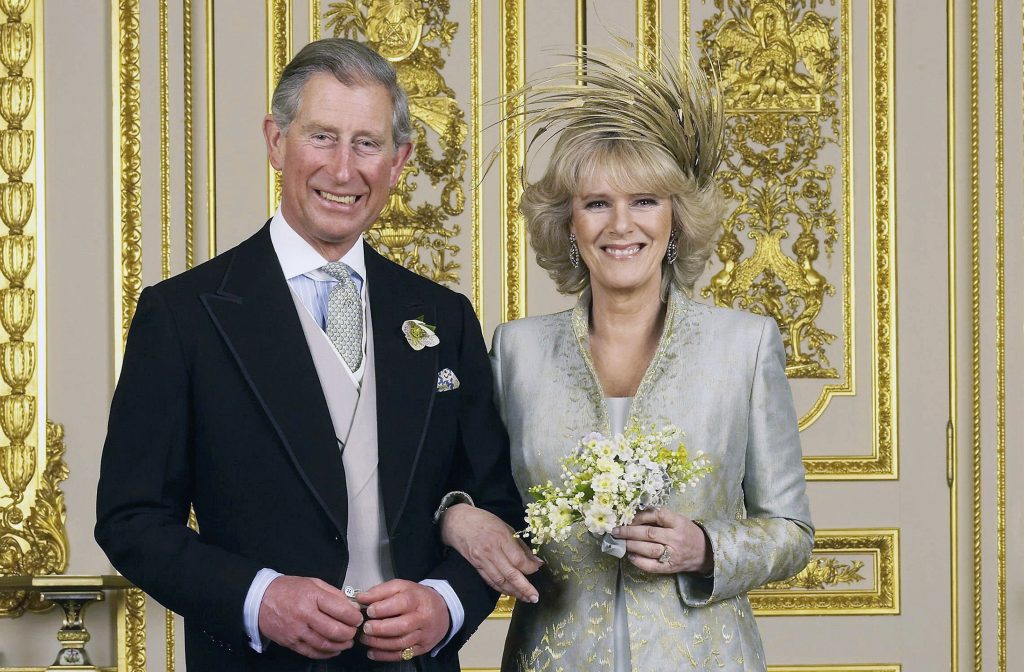
Charles’ long-term relationship with Camilla Parker Bowles became more public after Diana’s death – and the couple were married quietly in 2005 after gradually appearing in public together and becoming part of the royal circle.
Charles‘ approval rating also gradually improved, burnished by the popularity of his two sons who also married.
He began undertaking more official senior royal duties after Queen Elizabeth scaled back her workload, due to ill health.
Professor of the history of monarchy, Anna Whitelock, says the transition from heir to king will not be radical.
“He’s not going to reflect or represent a fresh face for the monarchy. It’s going to be another, you know, aged elderly monarch extending to the throne, even though, of course, he’s been Prince of Wales for so many years. I think you know that he does have a potential relevance around the environment. But I don’t think he’s going to end up feeling, you know, that he’s particularly popular and certainly not, you know, on the level of his mother, the queen.”

-
 News5 days ago
Ben Roberts-Smith arrested for war crimes allegations
-
Ticker Views2 days ago
Artemis II crew will endure 3,000°C on re‑entry
-
News3 days ago
North Korea tests cluster warhead on missile
-
Tech4 days ago
Apple shares drop on foldable iPhone delays
-
News2 days ago
OpenAI introduces $100 monthly ChatGPT Pro subscription
-
Leaders3 days ago
Australia raises over $3 million for Middle East crisis
-
News4 days ago
Iranian hackers escalate attacks on U.S. infrastructure
-
News4 days ago
Ticker launches The Founders Method, exploring real entrepreneurship