

Leaders
Leading CEO spearheads support for cancer research & tech

In the fight against cancer, funding for early-stage researchers and early-stage biotechnology is critical
Leading CEO of Cure Brain Cancer Foundation, Lance Kawaguchi, is spearheading support for new innovation to beat cancer.
Kawaguchi firmly believes that there must be more support for early-stage researchers and early-stage biotechnology. He knows that solving this problem can ultimately change the way cancer is approached.
“I wanted to make sure we can change the paradigm, so we can get money to treatments and also to researchers as quick as possible.”
lance kawaguchi, ceo, cure brain cancer foundation
Leading experts collaborate on cancer cure mission
Ticker’s Holly Stearnes sat down with Kawaguchi, alongside Professor Webster Cavenee and Dr. Alfred Yung. Together, they spoke about the importance of funding for early-stage researchers and early-stage biotechnology.

Cavenee is the Chairperson of our Scientific Advisory Committee & Director at the Ludwig Cancer Research, San Diego.
He has fundamentally changed the way scientists think about the onset of cancer and its progression.
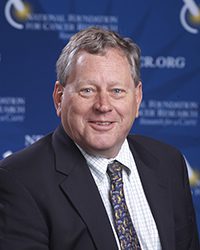
Yung is an integral part of Neuro-Oncology at the MD Anderson Cancer Center. He is an expert in clinical research and treatment of glioblastoma multiforme.
Yung is also a 17-year cancer survivor and was recently named to the Blue Ribbon panel of experts selected to advise the Beau Biden Cancer Moonshot.

Investing in early-stage researchers
Researchers are an integral part of the fight against all cancers. They work tirelessly to find a cure or treatment to ensure a better outcome for those who have fallen victim to the disease.
However, far too often, many early-career researchers miss out on critical funding to enhance and enable their remarkable work.
Many early-stage researchers are exposed to discrimination in the industry and frequently denied access to grants. Instead, grants are mostly given to late-career researchers.
The hierarchy in the industry means that up and coming researchers and some of the best minds in the world regularly get overlooked.
However, these minds and fresh ideas are the key to trying new innovations and potentially a cure for a disease that impacts millions of people every day.
The future depends on rising researchers and the innovation they bring.
Cure Brain Cancer Foundation is transforming the way cancer is approached and injecting much-needed awareness. Cancer is more than just a cause, it’s a movement.
“Researchers are the hardest working people. I want to make sure they have stability of funding… There’s a fundamental flaw in how we support early researchers.”
lance kawaguchi
Challenges for early-stage biotechnology
Biotechnology is the key to finding a cure for cancer. However, its innovative ideas don’t always make it to fruition because they face enormous setbacks within the industry.
Early-stage biotechs need funding to begin and continue to operate. The market in general is saturated and extremely hard to eventuate.
“We need to take a different lens… Where we can focus on the return on investment but also on the return on social impact.”
lance kawaguchi
Combatting early stages of a new biotechnology company can be difficult.
However, focusing on quality science, strategic management, securing funding, staffing, and regulatory compliance can increase the chances of success.
“You can think about how cancer is investigated as if it’s a funnel… What we want to do is fill the funnel.
By that I mean new ideas, from multiple fields… We need to make the top of the funnel wider.”
Professor webster cavenee
Cancer knows no boundaries
Yung treated U.S. President Joe Biden’s oldest son, Beau Biden, before his death of brain cancer, aged 46.
Yung has been recognised by the Biden family, for his attempt to save Beau’s life.
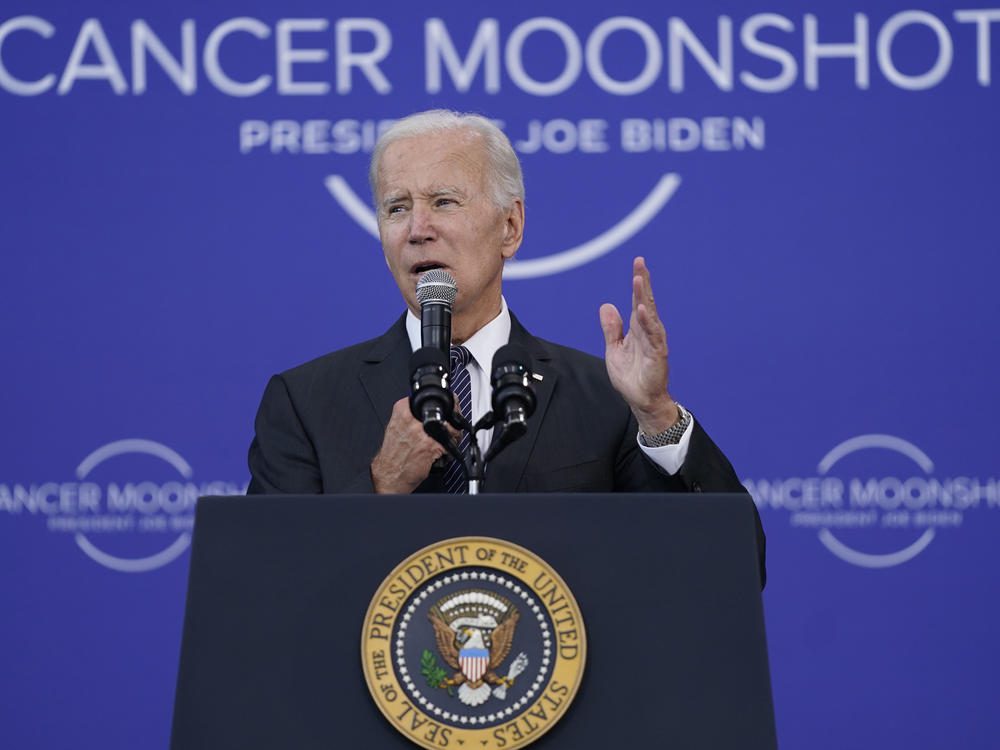
The Biden administration launched the ‘Cancer Moonshot’ initiative in a bid to halve the rate of cancer deaths by 2047. The President made mention of Yung when launching the initiative.
“See that doctor on the end there?
That’s the man who spent 18 months trying to save our son’s life. Doctor, I love you. The whole family loves you.”
Joe biden, u.s. President
Trusting in CBCF
Lead by Kawaguchi, Cure Brain Cancer Foundation, is adding urgency to the fight against cancer.
They’re putting processes in place to give funding to early-stage researchers and early-stage biotechs, who have the ability to innovate the way cancer is approached.
Both Yung and Cavenee are highly respected in cancer research and have chosen to partner with Kawaguchi in his mission to find a cure for brain cancer.
“His keen interest on innovation and out of the box thinking… He is a move and shaker and it is a privilege to partner with him in this endeavour.”
Dr. Alfred yung
“Lance is on a mission for cancer patients, and that’s why I partnered with him.”
Professor webster cavenee

-
 News4 days ago
Putin ready to sell gas to Europe now
-
Shows4 days ago
Celebrating Early Childhood Educators Day in Australia
-
Crypto4 days ago
Bitcoin rally faces fresh pressure as institutional investors sell
-
Shows4 days ago
Australian media integration reshapes traditional channels and advertising
-
News4 days ago
Cook hands Apple to Ternus amid AI challenges
-
News3 days ago
Chalmers defends tax policies amid housing decline
-
Tech2 days ago
Nvidia buys Hugging Face for $12.93 billion
-
News3 days ago
U.S. and Iran escalate tensions with major strikes