News
Bessent says U.S. not rushing China tariff truce
Bessent states U.S. not rushing to extend China tariff truce, signalling stable economic stance ahead of November deadline

Bessent states U.S. not rushing to extend China tariff truce, signalling stable economic stance ahead of November deadline

– Treasury Secretary Bessent stated the U.S. is not rushing to extend the tariff agreement with China.
– Future tariff negotiations remain uncertain, with unresolved issues and the need for ongoing engagement between the nations.


Trade talks progress
Bessent expressed confidence in discussing the truce’s renewal later this year. He noted that China’s performance on critical minerals has been acceptable, prompting a review of engagement terms.
The recent summit between President Trump and Chinese President Xi Jinping resulted in no confirmed agreements despite broad commitments, including China’s pledge to purchase U.S. agricultural products.
The summit also established plans for a “board of trade” and a “board of investment” to manage economic relations, yet no updates on the tariff situation were provided.
The tariff truce comes from a series of pauses initiated in May 2025 and updated to last until November 10. Current U.S. tariffs on Chinese goods remain at 30%, while China’s tariffs stand at 10%.
Bessent’s measured approach contrasts with the concerns of businesses relying on stable tariff rates, especially with the holiday import season approaching.
The next months will be crucial in determining whether the trade stability will endure or escalate into renewed tensions.

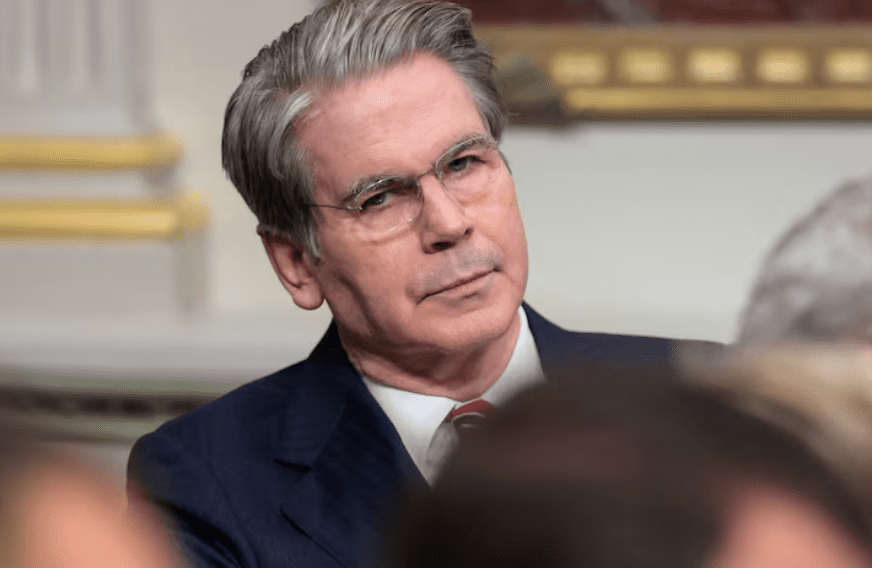
REUTERS/Jonathan Ernst
Future uncertainties
The dynamics of tariff negotiations continue to evolve, with key issues like technology export controls still unresolved. Ongoing engagement remains essential for both nations despite some challenges.