
News
On the brink of bloody disaster

Last month, David Remnick, editor of The New Yorker and a journalist of decades of experience, wrote, “It is not a sure thing that Putin will invade Ukraine. What is certain is that any attempt to occupy that nation will provoke resistance and lead to bloody disaster.”
Russia, Putin, President Biden, all the leaders of Europe, are at the brink of another in the series of cascading catastrophes of this 21st century: 9/11, the Global Financial Crisis and Great Recession, the Covid pandemic.
And now – facing the biggest land war in Europe since 1945.
We do not know how it will end, but we know it will be agony.
For President Biden, already staggered by the persistence of Covid and the inability of the United States to get back to something near normal, by rampant inflation and the economic insecurity it instills, by paralysis in Washington on his legislative agenda, and by tensions that are testing the vitality of American democracy itself, the aftermath of a Russian invasion of Ukraine will be brutal on his presidency.
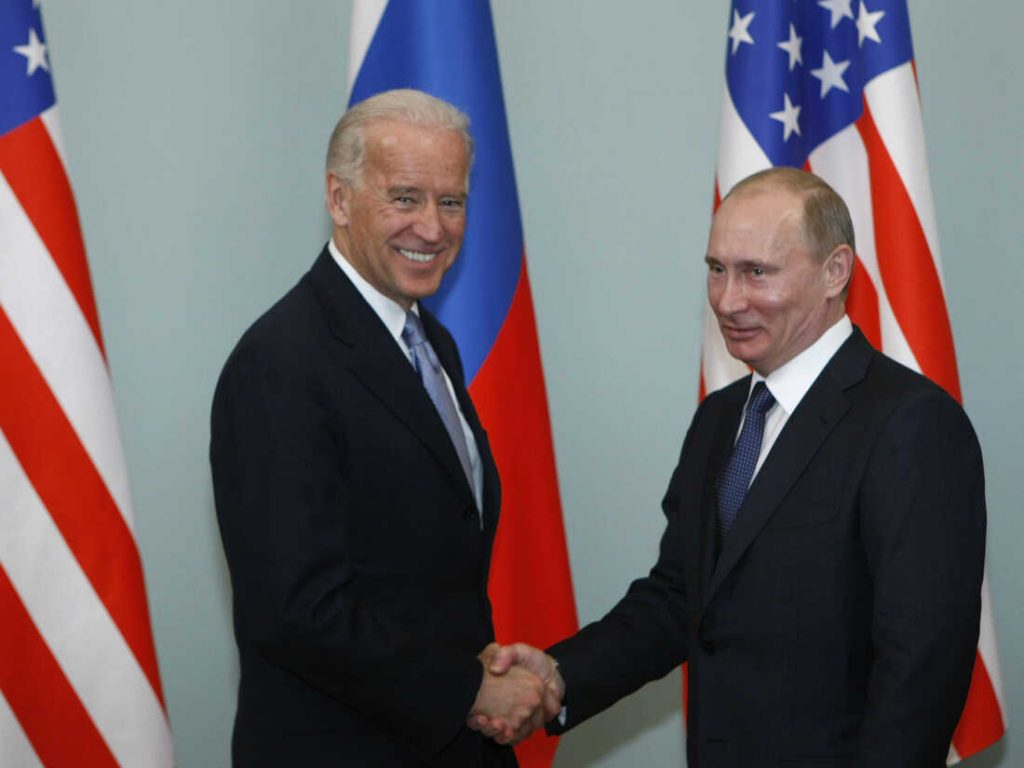
Over the past 60 years, when a foreign policy crisis first hits, presidents generally benefit from Americans instinctively standing with their leaders to face the challenge – even when news is one of failure.
John F. Kennedy in the Bay of Pigs in Cuba, Jimmy Carter in the attempt to rescue the American hostages in Iran, George W. Bush in the aftermath of 9/11: all received a bump in approval as the country moved to unite and see the crisis through. And when there is unvarnished success, a president’s standing can soar, as with George HW Bush in the first Gulf War.
When Russian missiles, troops and tanks invade Ukraine, will the country rally to Bush’s call for condemnation and resolve, or will there be a bitter debate on “Who lost Ukraine?” – with the president in its crosshairs.
America’s political culture has degraded over many years, most especially under Trump’s presidency.
Partisanship is rampant but Republican extremism has metastasized and the cancer is everywhere. There is significant sentiment among “America First” Trumpist Republicans that Ukraine is not America’s fight and there is no need to mess with Putin – even as he messes with the future of Europe and all the Western allies.
David Brooks of the New York Times, a conservative and a Republican, over the weekend captured what is at stake on the PBS NewsHour:
“I’d say the stakes are this. From 1915 to 1945, we had a culture and a regime in Europe which was the law of the jungle, the strong nations get to conquer the little ones. In 1945, after 150 million deaths and two World Wars, we set up a rules-based order, where strong nations do not get to take over little ones, that we have some sort of global international order, with NATO and the U.N. and all sorts of organizations making it a much more peaceful place.
And we have enjoyed a peaceful, peaceful land. And, if Russia is allowed to take Ukraine, that would destroy, that would shred that international order.”
In 1968, when the Soviet Union sent tanks and troops into Czechoslovakia to crush a democratic uprising, Europe shook, and the Cold War hardened, but there was no threat of direct war between NATO and the Warsaw Pact.
Biden has made clear there will be no US troops in Ukraine: Russia and America will not face off.
But the tensions between Russia and NATO will escalate. War is hell and the fog of war invites disaster. Everyone’s fingers are on their triggers. And there are nuclear weapons across the continent.
The threat of catastrophic mistakes is real.
When they met last weekend, Putin and China’s Xi issued a lengthy declaration that each supported the other’s ambitions.
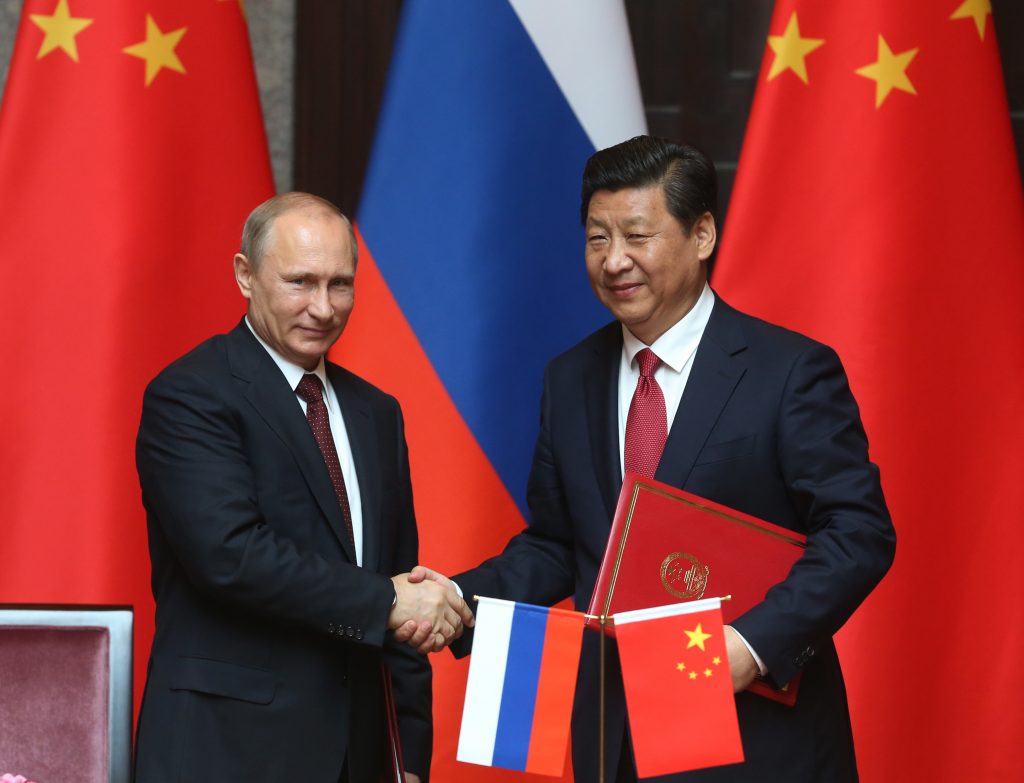
If Putin succeeds, and endures the sanctions, and can tolerate the Ukrainian peoples uprising, and enjoys a resurgence of pride and glory across Mother Russia, Xi may want to copy that playbook for Taiwan. And sooner rather than later.
In their Saturday call, Biden warned Putin of “swift and severe” costs to Russia
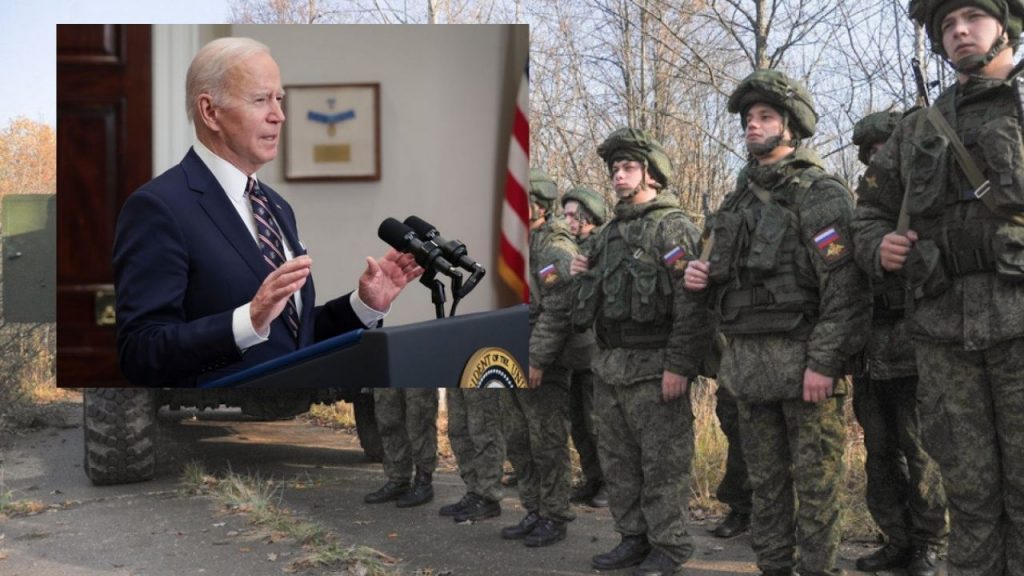
They discussed substantive security issues that Putin wants resolved in his favour. But with continuing movements of Russian troops, there is no sign thar diplomacy will prevail.
For President Biden, the costs of war to confidence in him by the American people are likely enormous – to his leadership, his prestige, his strength at home and in America’s standing and effectiveness in the theatres of conflict now playing across Europe and Asia.
But if Biden, at this dark hour, is successful is deterring Russia from taking Ukraine, the dividends are equally enormous.
-
 News3 days ago
Six nations pledge security for Strait of Hormuz
-
News3 days ago
Energy markets face turmoil from Iranian attacks
-
News3 days ago
Apple to earn over $1B in AI app fees
-
Tech3 days ago
Uber to invest $1.25 billion in Rivian robotaxis
-
Tech4 days ago
Australian scientists create world’s first quantum battery
-
News4 days ago
Germany and France warn against Iran war escalation
-
News4 days ago
Ocean heat drives ancient climate shifts, not CO2
-
News1 day ago
Oil prices surge on Middle East supply disruptions