

Money
Accidents waiting to happen? Boeing 737 jet danger

The FAA has issued another directive to airlines – this time over concerns for the Boeing 737
The Federal Aviation Administration says over 10,000 aircraft around the world could be impacted by a faulty switch impacting cabin altitude pressure.
‘Cabin altitude pressure switches’ are of concern to the American watchdog and the directive requires airlines to conduct regular checks.
The FAA says airlines must replace or fix switches that are deemed faulty.
Aircraft cabins are pressurised to the equivalent of more than 8,000 feet.
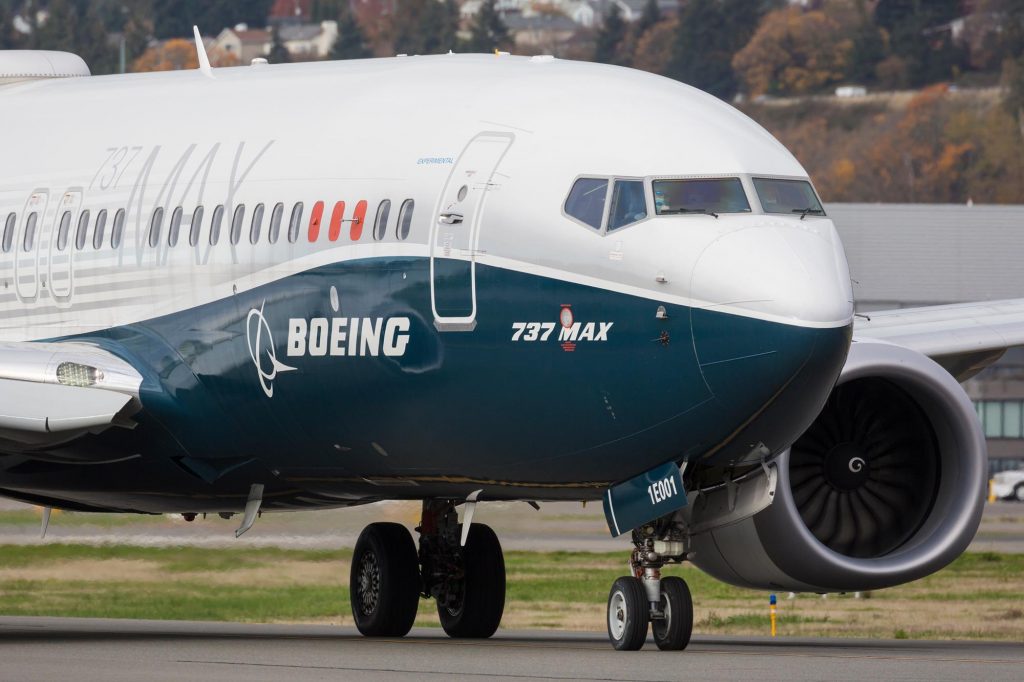
Boeing supportive of the FAA directive
The FAA says the directive has been issued for all types of 737 aircraft.
Boeing stated it supports “the FAA’s direction, which makes mandatory the inspection interval that we issued to the fleet in June.”The FAA directive did not report any in-flight failures of the switches.
The watchdog stated that all aircraft assessments must be conducted within 2,000 flight hours since the last test of the cabin altitude pressure switches, before airplanes have flown 2,000 hours, or within 90 days of the directive’s effective date.
Boeing initially reviewed the issue, including the expected failure rate of the switches, and found it did not pose a safety issue.
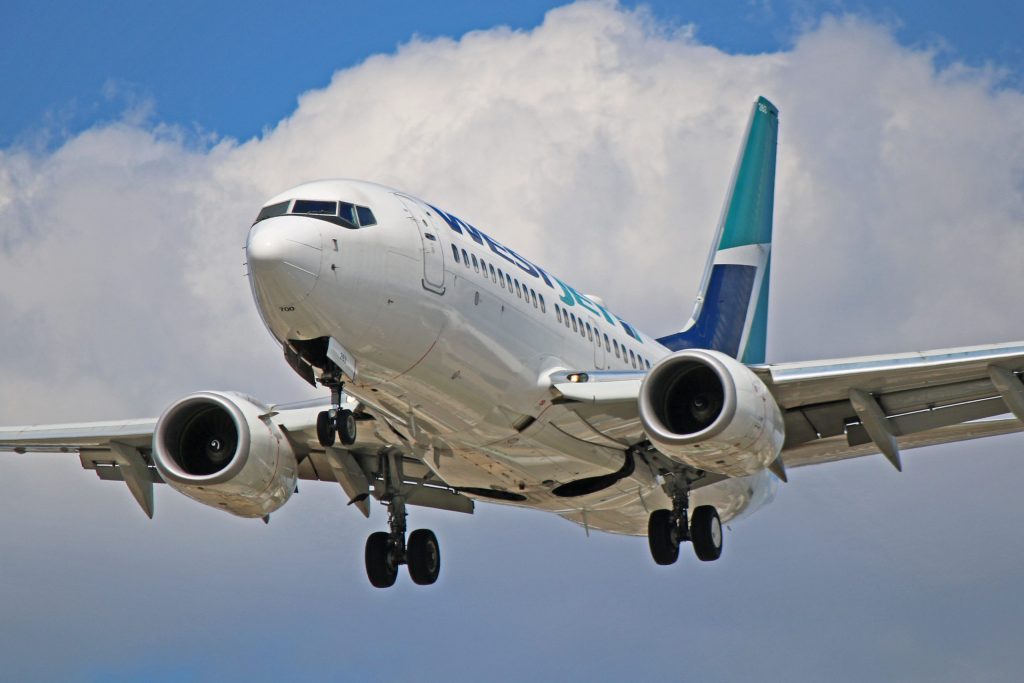
Boeing’s increased problems
Boeing says it will cut 787 Dreamliner production after finding another production-related structural defect.
America’s aviation watchdog discovered problems with undelivered Boeing Dreamliners, forcing the manufacturer to take swift action.
The Federal Aviation Administration revealed that some undelivered Boeing 787 Dreamliner jets have a manufacturing quality issue impacting the nose of the aircraft.
The issues will likely further delay deliveries of the popular wide-body jets.
The FAA says the issue is “near the nose on certain 787 Dreamliners in the company’s inventory of undelivered airplanes. This issue was discovered as part of the ongoing system-wide inspection of Boeing’s 787 shimming processes required by the FAA.”
It also comes after a major customer partially canceled a 737 MAX order in a double hit to the U.S. planemaker’s COVID-19 recovery.
Boeing says it plans to fix the issues impacting the nose of the aircraft on the Boeing 787
The FAA added that “although the issue poses no immediate threat to flight safety, Boeing has committed to fix these airplanes before resuming deliveries.” The air regulators added after a review of data it “will determine whether similar modifications should be made on 787s already in commercial service
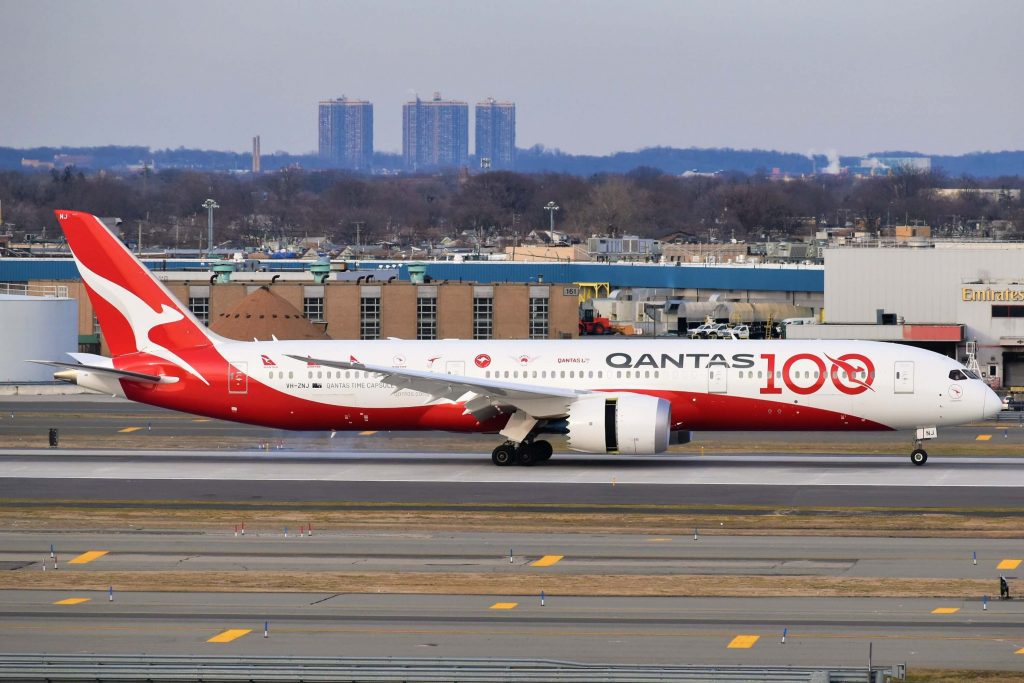
Boeing plans to address and fix the issue before the planes will be delivered
The aircraft manufacturing company has about 100 undelivered 787s in inventory.
Boeing suspended deliveries of the 787 in late May after the FAA raised concerns about its proposed inspection method, saying it was “waiting for additional data from Boeing before determining whether the company’s solution meets safety regulations.”
The FAA in May had issued two airworthiness directives to address production issues for in-service airplanes.

-
 Tech5 days ago
Meta to cut 20% workforce for AI focus
-
News4 days ago
Iran threatens infrastructure if U.S. attacks plants
-
Tech2 days ago
Meta ordered to pay $375 million for violations
-
Tech4 days ago
Spotify bets on AI to retain subscribers
-
News3 days ago
Meta launches four custom AI chips
-
News4 days ago
Iran threatens U.S. financial institutions
-
News1 day ago
Iran advances tolls on Strait of Hormuz
-
News4 days ago
Four firefighters critically injured as Air Canada plane hits firetruck at LaGuardia