

News
The Houthis in Yemen – Who are they and what do they want?

The world has witnessed a surge in attacks on ships in the Red Sea by Yemen’s Iran-backed Houthi rebels.
The attacks have raised concerns about who the Houthis are and why they have been attacking maritime targets in the region.
Who Are the Houthis?
The Houthi movement, also known as Ansarallah (Supporters of God), is a key player in the ongoing Yemeni civil war, which has been raging for nearly a decade.
The movement traces its roots back to the 1990s when its leader, Hussein al-Houthi, initiated the “Believing Youth,” a religious revival movement centered around a centuries-old subsect of Shia Islam called Zaidism.
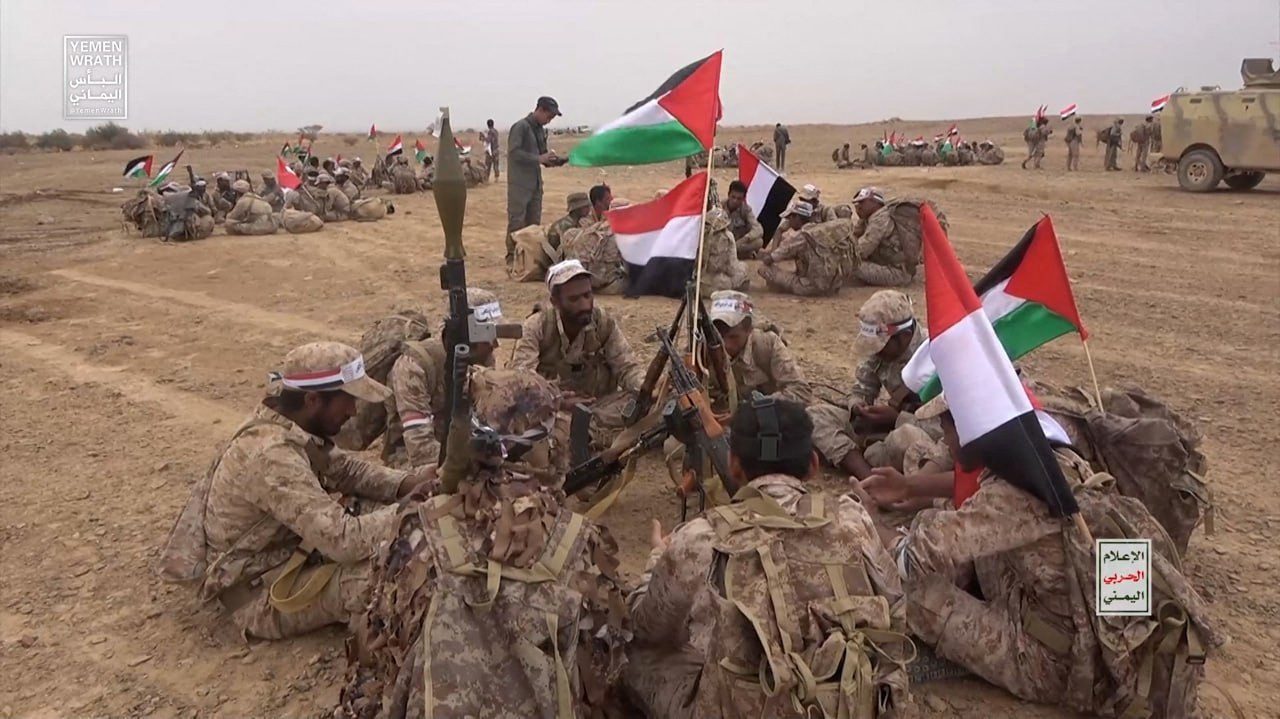
Yemen’s Houthis enter Mideast fray, hardening spillover fears …
The Path to Power
Tensions escalated in 2003 when Saleh backed the United States’ invasion of Iraq, a move opposed by many Yemenis.
Seizing this opportunity, al-Houthi organized mass demonstrations against the government.
After months of turmoil, Saleh issued an arrest warrant for al-Houthi. Although al-Houthi was killed by Yemeni forces in September 2004, his movement continued to grow.
The Houthi military wing expanded, and they eventually took control of the northern province of Saada, calling for an end to the Saleh regime.
Do the Houthis Control Yemen?
After Saleh agreed to hand power to his Vice President Abd-Rabbu Mansour Hadi in 2011, the Houthi movement remained active and dissatisfied with the new government.
In 2014, they launched another offensive, capturing parts of Yemen, including the capital, Sanaa. By early 2015, they had even stormed the presidential palace.
Hadi fled to Saudi Arabia, which launched a military intervention against the Houthis at his request in March 2015.
Who Are Their Allies?
The Houthis are closely aligned with Iran, which began providing support to the group in 2014 as the civil war intensified and Iran’s rivalry with Saudi Arabia grew.
Iran has supplied the Houthis with weapons and technology, including sea mines, ballistic and cruise missiles, and unmanned aerial vehicles.
Houthi Attacks in the Red Sea
While the Houthis may not pose a significant military threat to Israel, their recent attacks on commercial vessels in the Red Sea have caused significant disruptions.
Using drones and anti-ship missiles, they have targeted both Israeli and non-Israeli ships, leading to heightened tensions in the region.
The Importance of the Red Sea
The Red Sea is a critical maritime trade route, connecting the Bab-el-Mandeb straits off Yemen’s coast to the Suez Canal in northern Egypt.
Approximately 12% of global trade and 30% of global container traffic pass through this narrow waterway.
Recent attacks on commercial vessels by the Houthis have raised concerns about the potential impact on the global economy.
-
 News3 days ago
AI Review Committee provides expert advice on governance
-
News3 days ago
Apple launches products on October 13
-
News3 days ago
Trump: US won’t attack Iran before midterms
-
Shows4 days ago
Redefining success: beyond money and status
-
Leaders3 days ago
AI-driven cyber attacks surge amid authentication challenges
-
Shows4 days ago
Housing tax changes spark fresh political showdown
-
Leaders4 days ago
Defence security firm expands into Melbourne as Victoria’s industry surges
-
News4 days ago
25 killed, Zelenskiy condemns Russian missile strikes