Money
Where is my package?

Have you ever received an online order in multiple packages and delivered days or even weeks apart? Raghav Sibal, Managing Director of Australia and New Zealand at Manhattan Associates tells us the root cause and why it’s a havoc for retail supply chains.
Retail supply chains are under greater pressure than ever before due to the ongoing impacts of COVID-19. As both retailers and consumers grapple with these issues, new research has highlighted that Australian retail delivery methods are the main reason for delays and of course, customer dissatisfaction.
Where are the pressure points?
In today’s world, consumers expect their products at lightning speed. To keep up with consumer demand, retailers are trying to get the goods out to customers as quickly as possible.
But unfortunately, in doing so, retailers haven’t made the investments in their technology and supply chains to master this process efficiently and effectively.
Raghav Sibal, Managing Director of Australia and New Zealand at Manhattan Associates joined Ticker and told viewers that a major source of customer dissatisfaction and delays in receiving goods is due to multiple shipments for single orders.
“So if a customer ordered five items in one single shop, it may be coming in two or three different packages to them,” he says.
In fact, new research by Manhattan Associates found 76% of Australian shoppers indicate that they have experienced unusual delays in receiving goods they ordered online in the last three months. Raghav says this is causing friction with the customer, many of whom would prefer options to receive their goods in one delivery.
Is split shipments really a problem if it means getting your goods faster?
Well, considering retailers are under the pump trying to meet customer demands, it is understandable that brands want to get their goods to customers as fast as possible.
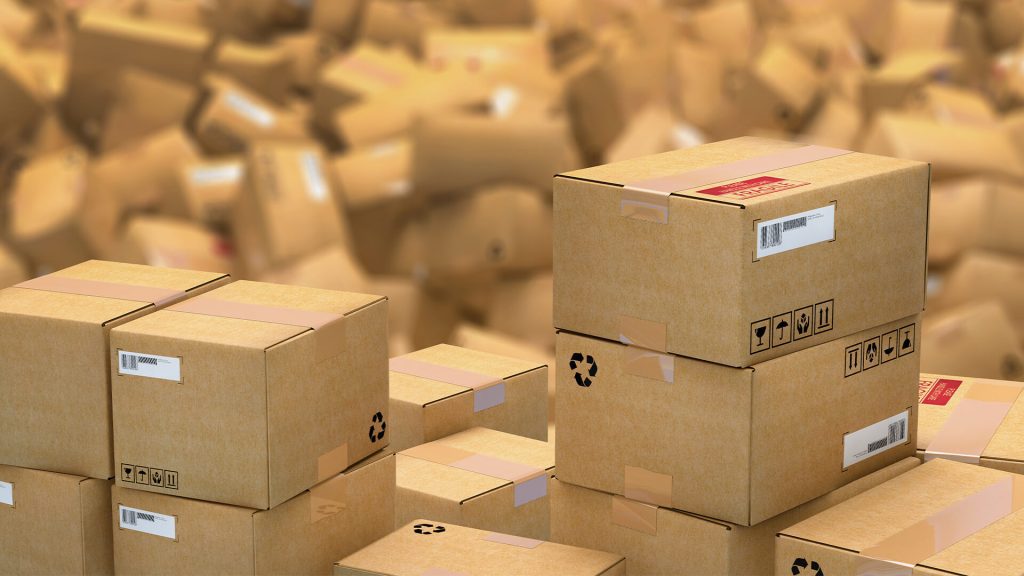
Stepping into the consumers shoes – receiving multiple parcels under one online order is actually considered more annoying. Raghav says this method is causing immense frustration.
“Surprisingly, over 66% of customers in Australia have received multiple shipments for a single order. They feel like maybe the order that they placed didn’t go through correctly to the retailer. So they frantically start calling the retailer,” he says.
Customers may be waiting weeks between parcels that are under one order. Raghav says this impacts the hip pocket for retailers, who have to fork out the cash for extra resources across their operations.
“It’s not just about customer dissatisfaction or the impact that it’s having on the retailer’s brand, but also real financial impact. There’s more handling going on in the warehouses, more shipping costs, more packaging, and there’s a whole bunch of waste when retailers are already under pressure,” he says.
“From a financial standpoint, this all adds up and it’s having a significant impact.”
So how does the process of multiple shipments affect retailers?
According to Manhattan’s research, over 70% of customers say that if they can’t find a retailer who’s reliable in the delivery methods, or in communicating about a shipment arrival time, they’re not going to be very keen to continue to do business with them.
“This is greatly impacting brand loyalty and also keeping customers really engaged with that retail,” Raghav told tickerNEWS.
“Are retailers making the right investments in the technology that they’re using or not?”
In a disrupted operating environment, retailers must improve their communication with customers.
Sibal draws on an interesting finding from Manhattan’s survey that suggests only about 50% of customers are getting notified about the delay of a shipment or the fact that it’s come in multiple packages.
Raghav says “that’s not good enough”. Adding, “we’re finding that about 65% or higher, feel like they would rather wait for the goods to arrive as long as they come together.”
What’s the solution to better manage these issues?
Raghav says it all comes down to how the overall ecommerce fulfilment is working for a retailer.
He says the first thing the retailer should do is look at how they are contemplating or considering the stock levels across the network.
“We talk about the network of an omni channel retailer, it could be the DCs, it could be their stores, it could be ports that are still in transit on transport,” Sibal says.
He adds that once retailers have the visibility and understanding of where the stock is, retailers need to be routing the orders and allocating goods in product from the appropriate fulfilment point – whether it’s a DC or a store.
Raghav emphasises that operational visibility and forward planning remain fundamental to ensuring a retail brand has stock available for purchase.
“It’s okay to fulfil an order from one location, which may take a bit longer to fulfil, but you’re sending the package to the customer all at once and in one package,
“So it comes down to visibility across the network, making sure the orders are being sent to the right location for fulfilment. And that all comes through the right investment in an order management system.”

-
 Tech4 days ago
Humanoid robots perform remote surgeries successfully
-
Ticker Views5 days ago
Meta faces $1.4 trillion lawsuit over youth addiction claims
-
Shows3 days ago
Building a company: insights on exit strategies
-
News5 days ago
How Strait of Hormuz tensions affect global energy
-
News4 days ago
RBA unemployment warning: Is Australia blaming wages for inflation?
-
News5 days ago
U.S. strikes Iran over shipping attacks
-
Ticker Views4 days ago
Telstra outage and influencer crackdown reshape Australia’s digital landscape
-
News3 days ago
Iran reacts to US strikes as Gulf tensions rise