
Money
These are the top 5 airports flying high in 2021

The ratings are in and according to aviation enthusiasts, the following airports have surpassed the mark with flying colours.
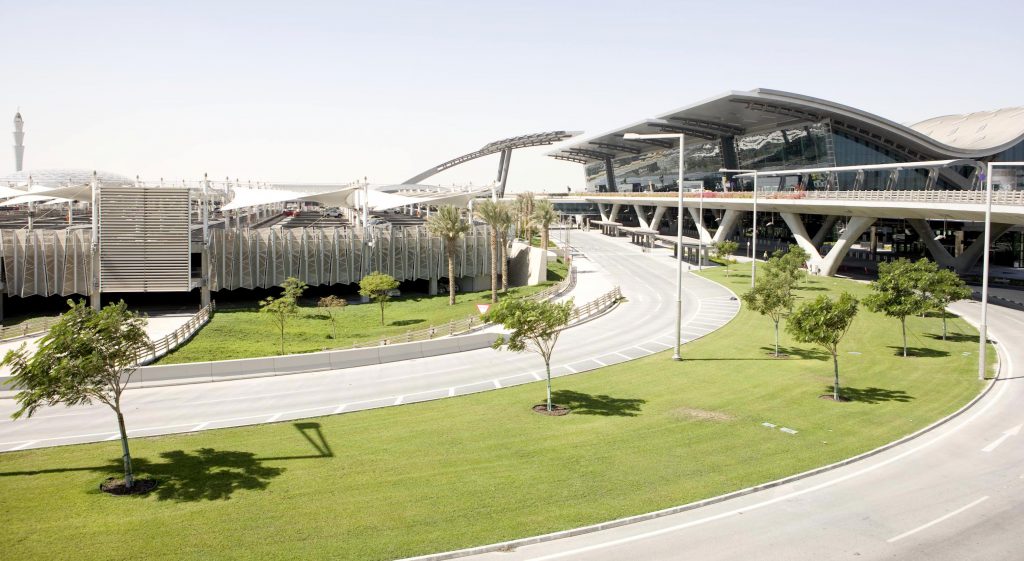
The results on the world’s best airports are in and to the surprise of many, they’re not what we expected.
Singapore’s Changi Airport, renowned for its hustle and bustle of international cargo and passenger traffic, and beautiful interior designs, took the top spot for eight years in a row.
But this year, the South East Asian airport has been dethroned in an unforeseen twist.
1st Place: Doha Hamad Airport
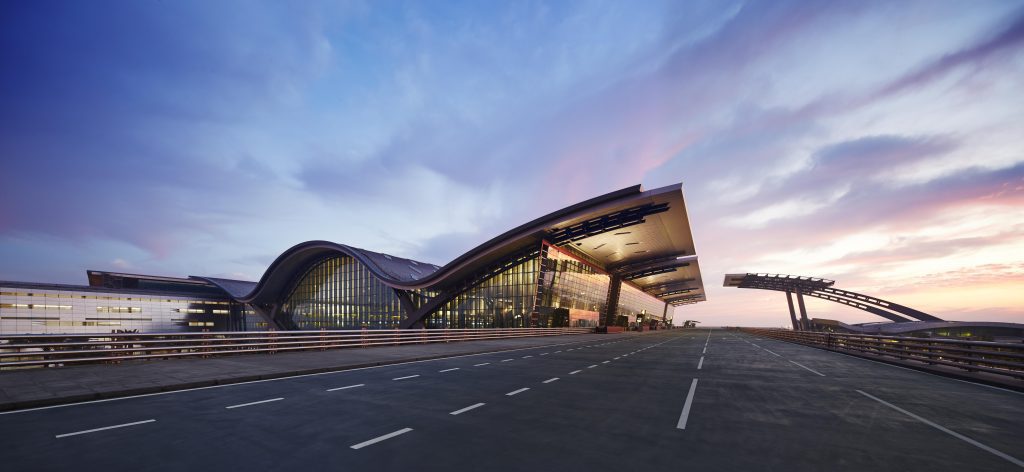
Ranking first in the 2021 Skytrax World Airport Awards is Doha Hamad, also known as Qatari Hub.
Doha Hamad swapped places with Changi this year, after placing third in the 2020 report.
Engr. Badr Mohammed Al-Meer, Chief Operating Officer at Hamad International Airport (HIA), says the airport is honoured to be crowned the World’s Best Airport of 2021.
“This is a truly remarkable achievement for HIA and the State of Qatar, and an endorsement from our travellers for our commitment to service excellence,” Al-Meer says.
“As we look towards the future, HIA remains devoted to boosting our efforts in providing the best airport experience to all our passengers.”
The Qatari Hub also won the titles of Best Airport in the Middle East, the World’s Best Airport in the 25 to 35 million Passenger category, and the Best Airport Staff in the Middle East
2nd Place: Tokyo Haneda Airport
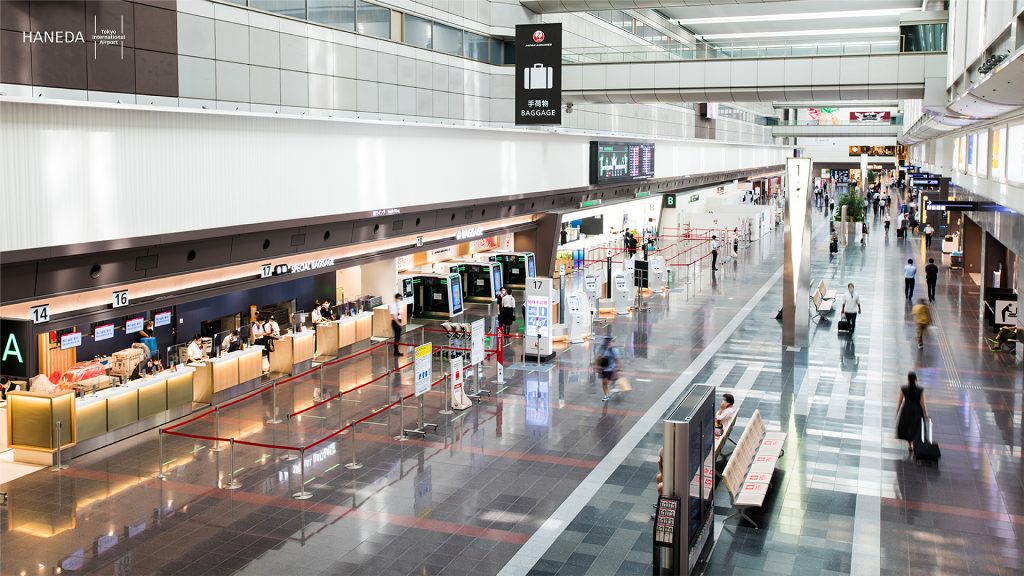
Holding position in second place for another year is Tokyo’s Haneda Airport.
It’s one of the Japanese capital’s two major airports and is home to Japan Airlines and All Nippon Airways.
More recently, the Japanese airport saw the arrival and departure of several athletes for 2020s Tokyo Olympic games.
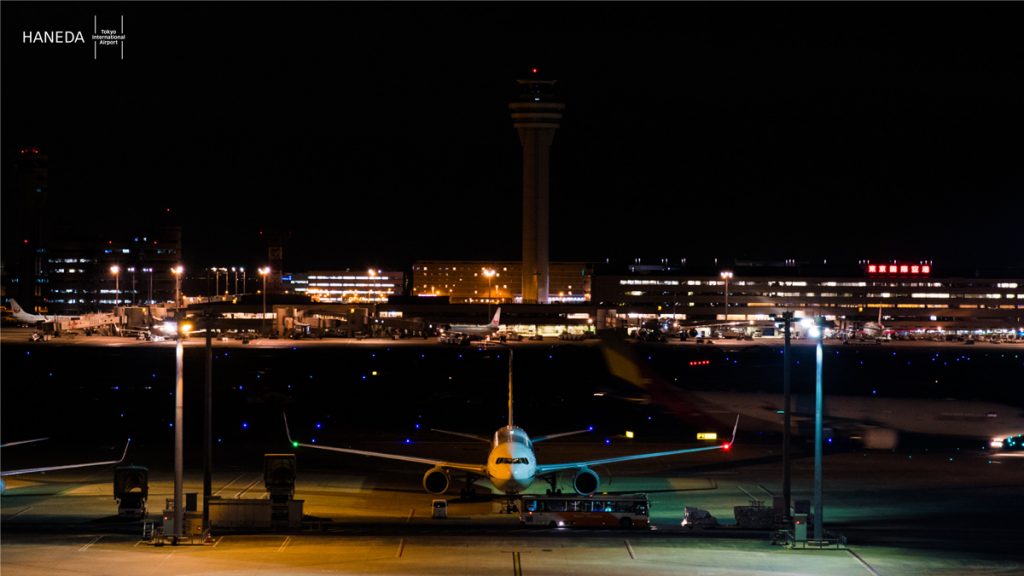
In a newly introduced category, Tokyo Haneda Airport was awarded a 5-star COVID-19 Airport Safety Rating.
This award follows their success in meeting very high standards of hygiene and safety protocols put in place to prevent the spread of coronavirus during their preparation for the Olympics.
Qatar’s airport also received the same award in 2020, being the first airport in the Middle East and Asia to receive the 5-star rating.
3rd Place: Singapore Changi Airport
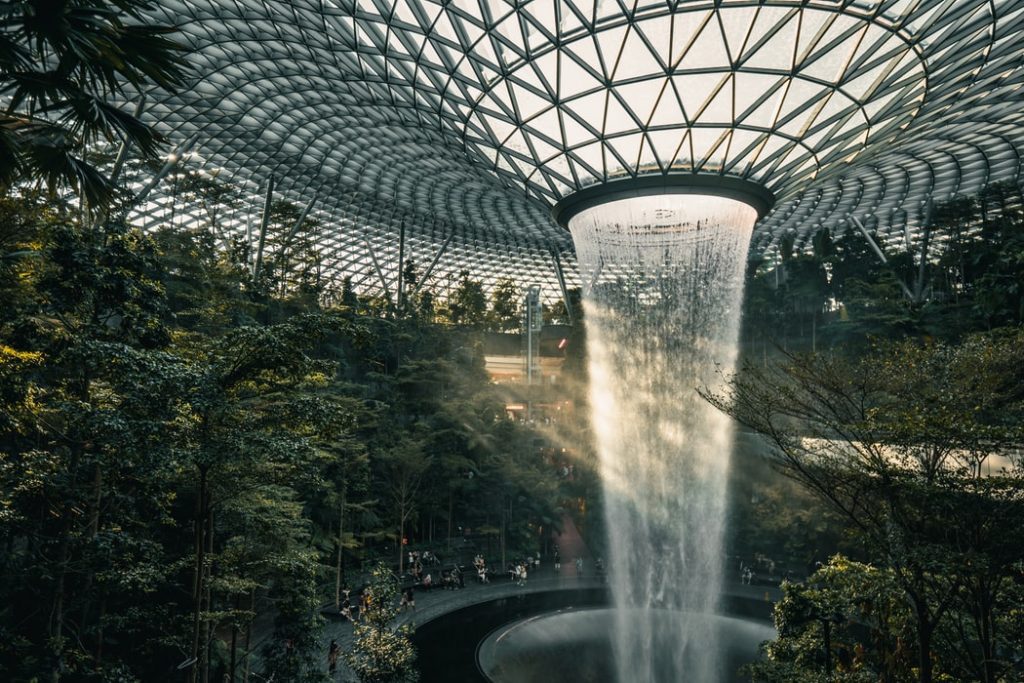
Despite falling two places from the top, Singapore’s Changi Airport still finds itself in the top five.
This year, the eight-time winner was named the World’s Best Airport in the 10 to 15 million Passenger category and took the awards for the World’s Best Airport Staff and the Best Airport Staff in Asia.
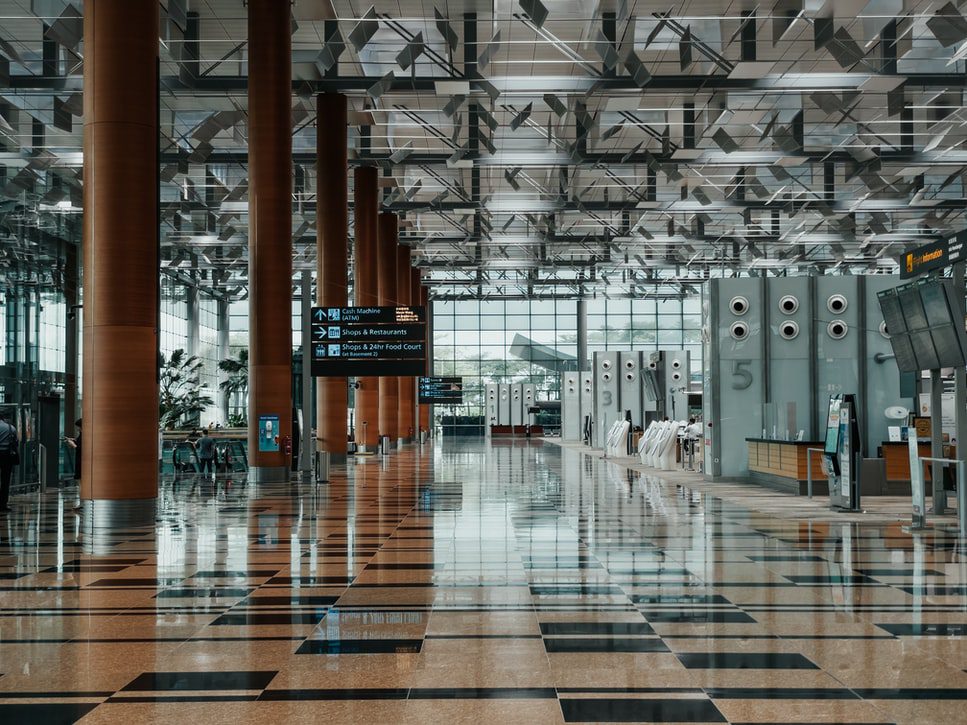
While it may come to the disappointment of fans who regularly praise the airport for it’s ease, quality food and beverage options and overall comfort, Changi still sits high in third place as one of the most beautiful airports in the world.
4th Place: Seoul Incheon Airport
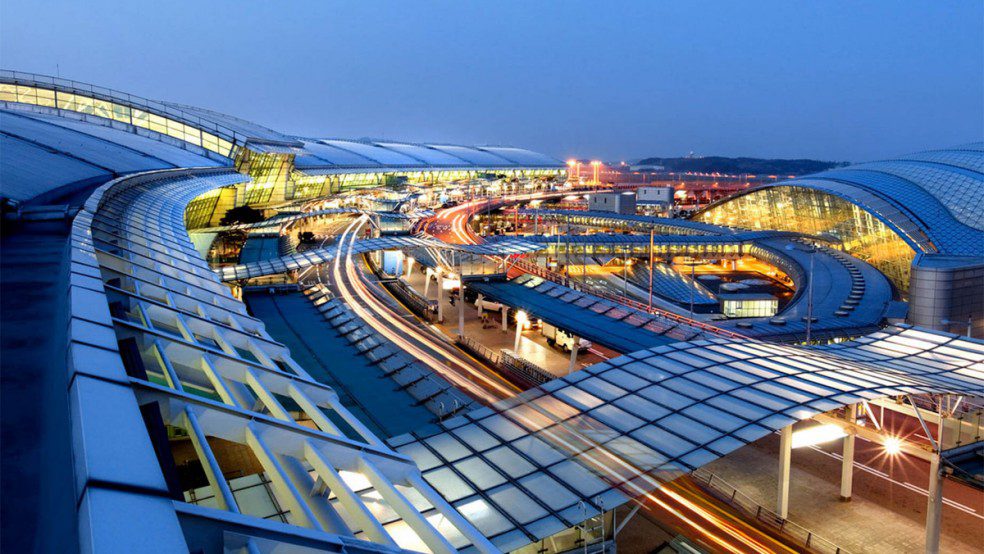
Sitting comfortably in fourth place is Incheon International Airport in South Korea.
One of the largest and busiest airports in the world, Incheon International seems like something from Futurama.
The airport thrives off delivering the ultimate experience for their passengers, providing plenty of space to relax, unwind and to get lost in Seoul’s culture.
5th Place: Tokyo Narita Airport
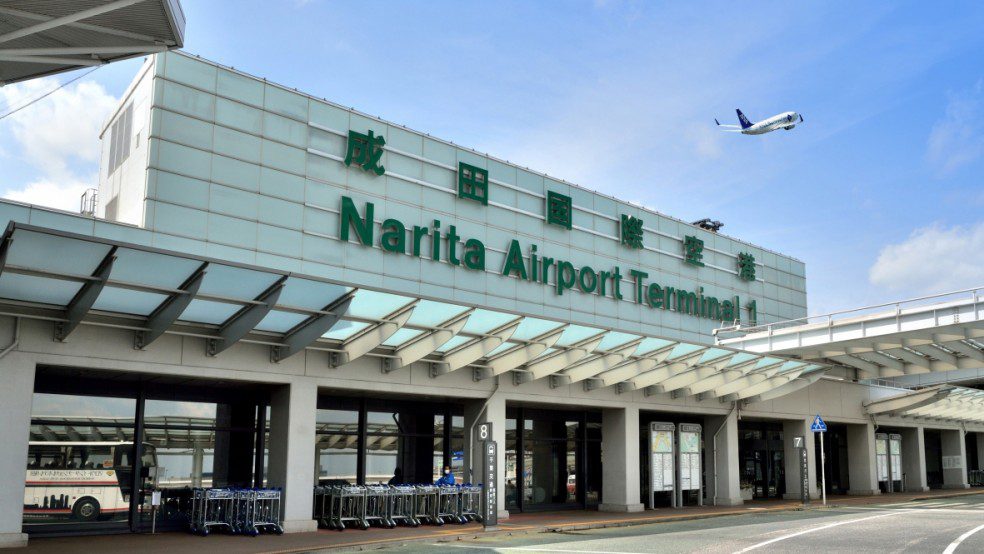
Tokyo is fortunate enough to see both of it’s airports placed in the top 5 with Tokyo Narita International Airport earning a spot this year.
Having placed seventh in 2020, the airport located in the capital’s east advanced two steps higher to make it to fifth place.
While they may have not received the 5-star COVID-19 Airport Safety Rating like their Haneda counterpart, Narita International Airport is applauded for their high health and hygiene standards and continuous efforts to keep everyone safe during the pandemic.
Results for the 2021 Skytrax World Airport Awards are obtained from the Annual Airport Customer Survey for the Passenger’s Choice Awards with data collected between August 2020 and July 2021.
Travellers are to vote for their favourite or best airport experiences, with many taking the COVID-19 pandemic into consideration this year.
For the full list of the World’s Top 100 Airports for 2021 and more airline awards, head to Skytrax’s website.
Written by Rebecca Borg

-
 Tech3 days ago
Nvidia to double chip sales next year
-
News3 days ago
Qantas fights against holiday ground crew strikes
-
Shows5 days ago
Australia’s childcare sector faces major change as reforms accelerate
-
News3 days ago
Canada’s potential EU membership sparks discussion
-
Shows3 days ago
Why traditional property investment strategies need updating
-
Ticker Views3 days ago
One Nation controversy puts political messaging under the spotlight
-
Ticker Views3 days ago
‘Pressure on Labor to deliver’: Immigration plan faces hurdles
-
Ticker Views5 days ago
‘Like the CIA on steroids’: Iran crowdsources dissident tracking