News
Women will suffer “unspeakable harm” as Taliban retakes Afghanistan

The Taliban has taken over Afghanistan’s capital city, Kabul. What does this mean for the country’s women and girls?
Afghanistan’s former president Ashraf Ghani fled the country only hours ago. He left officials with the duty of ‘handing over’ the palace to Taliban militants.
A Taliban security member told media that “no blood was shed in the handover”. He alson said there is a “peaceful handover of government facilities ongoing across the country.”
This comes as de facto leader Mullah Baradar has issued this message in congratulations to the Taliban on the group’s declaration of the ‘Islamic Emirate of Afghanistan’.
As the Taliban continues to move to take over the country, this leaves the future of Afghan girls and women in the lurch.
What will the Taliban’s takeover mean for women and girls?
As the Biden government withdraws troops from Afghanistan, women and girls are left behind. This month, the Biden government begun evacuating thousands of Afghans who are at risk of retribution for helping US forces. Meanwhile, these discussions have majorly left out the potential ramifications for women and girls across the country.
During its previous rule between 1996 and 2001, the Taliban banned women from working. Girls were also forbidden from attending school after the age of 8.
But the US occupation of Afghanistan has brought Western values to the country – and with it, more freedom for women. This freedom would be unlikely to survive a takeover by the fundamentalist Taliban.
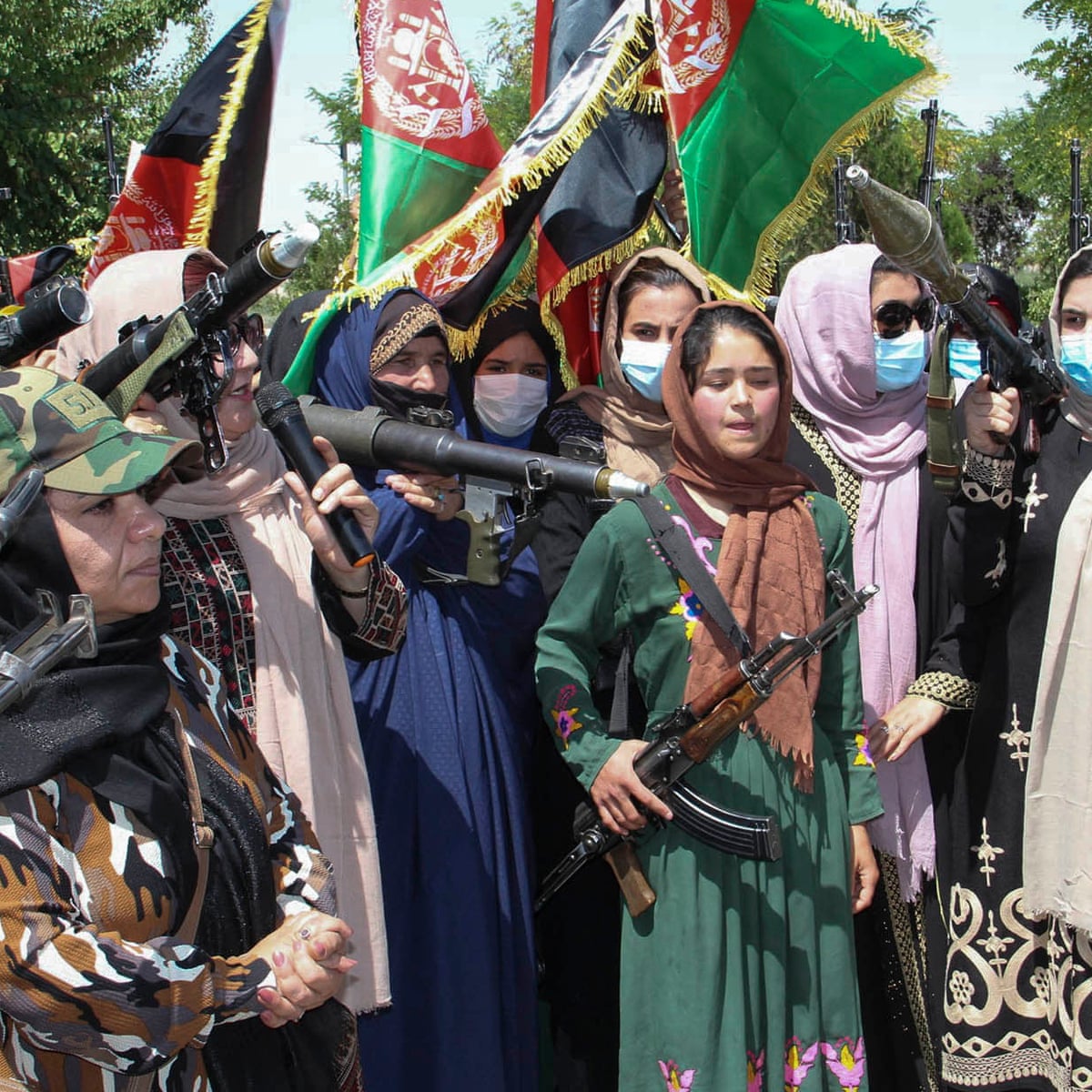
“They’ll sell women out just as quickly as anyone else will”
According to 2020 figures from the US Agency for International Development, almost 40% of the roughly 9 million children enrolled in school in Afghanistan are girls. About 100,000 girls are studying at public and private universities, the Afghan Ministry of Higher Education says.
“The second the government comes under a bit of pressure or looks for some negotiating bargaining chip, they’ll sell women out just as quickly as anyone else will,” said Fatima Ayub, a Washington-based Afghan researcher.
“I’m afraid Afghan women and girls are going to suffer unspeakable harm”
Former US president Bush
“They’re just going to be left behind to be slaughtered by these very brutal people,” said former US president Bush. “It just breaks my heart”. Meanwhile, US Republicans say the country must continue to push western values through soft power around the world.
However, the Taliban’s attitude towards women and girls isn’t consistent across the board. “There’s no clarity. The Taliban mention an ‘Islamic framework’. However, there are no details as to what that looks like,” said Hosna Jalil, former deputy minister of women’s affairs.
This is not to say that Afghan women weren’t fighting for their rights before US occupation. One academic and former minister says that Western powers creating an “enabling environment”. Muqadessa Yourish, a former deputy minister for commerce and industry and a lecturer at the American University of Kabul says, “it took the risking of Afghan lives to build on these opportunities”.
“Those women would have done their work and their struggle irrespective of whether there were Americans, British or other foreigners to help them,” she said.
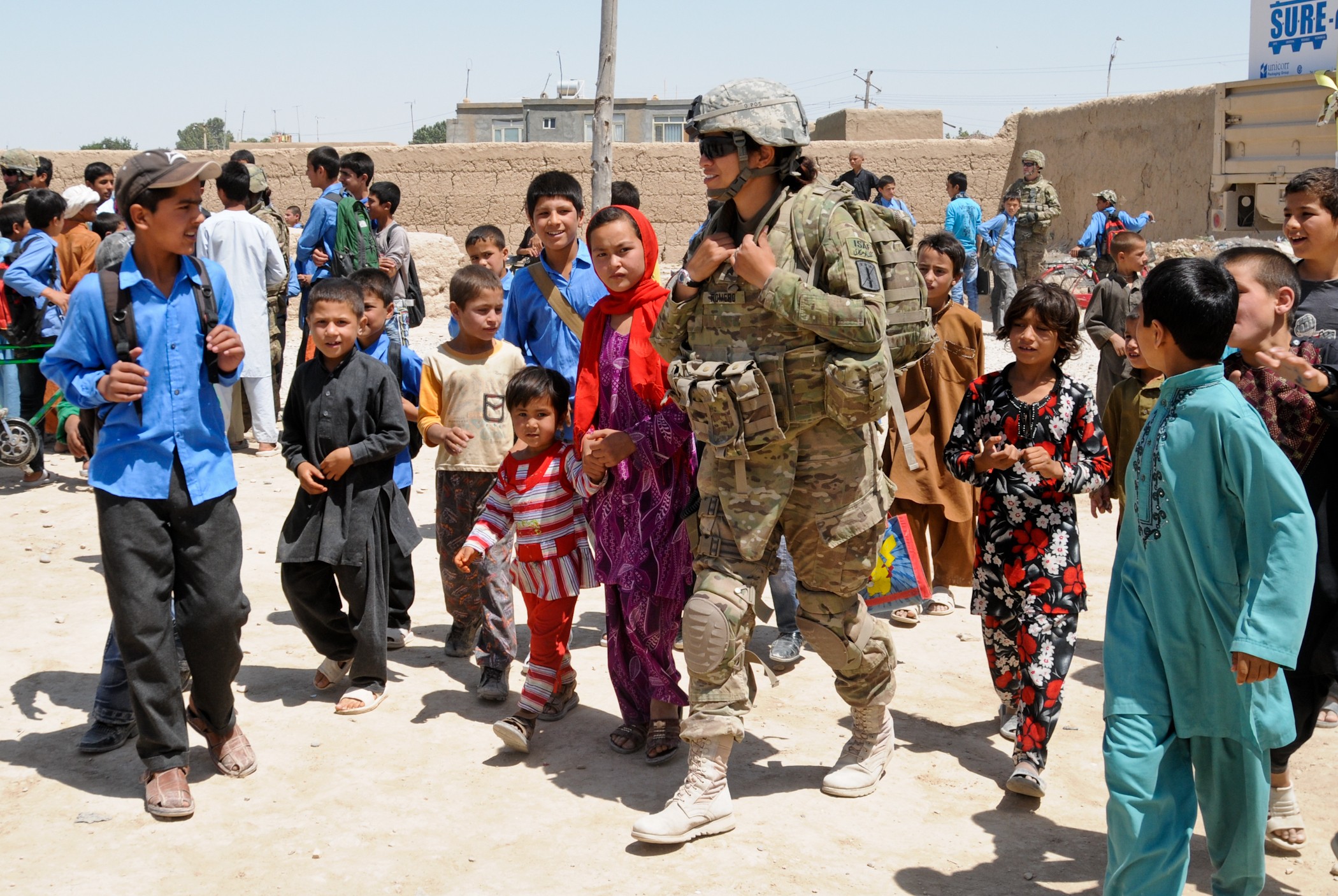
Human rights abuses, horrific violence and corruption
Of course, any gains made in Afghanistan for women came alongside with horrific abuses of power and human rights violations.
Asked if he had “any message” for Afghan women, Biden recounted an encounter years before with an Afghan schoolgirl. She had pleaded for US troops to stay so she could become a doctor.
“It was… it was heartbreaking,” Biden said.
-
 News4 days ago
AI just escaped its own sandbox — Here’s what that means
-
News4 days ago
Europeans oppose Russia’s G20 participation
-
Shows4 days ago
Parenting insights on motivation and fostering resilience
-
News3 days ago
Putin ready to sell gas to Europe now
-
News4 days ago
Trump vows more strikes after Iran missile exchanges
-
News4 days ago
Sydney house prices face largest decline in 40 years
-
Shows3 days ago
Celebrating Early Childhood Educators Day in Australia
-
Crypto3 days ago
Bitcoin rally faces fresh pressure as institutional investors sell