Money
Virgin Australia launches new economy airfares – but what’s the catch?

Flying with Virgin Australia just got more affordable
Australia’s second largest airline has revealed a new Economy product, which the company promises will be more affordable and “passenger friendly”
From today, Virgin Australia is introducing brand new Economy fares including Economy Choice, Economy Flex and Economy Lite, each of which will offer different booking options.
In a statement, Virgin Australia says: “Travellers will continue to receive 23 kilograms of checked baggage and seat selection when they book an Economy Choice or Economy Flex fare. Economy Choice will also offer bonus Velocity Frequent Flyer Points and Status Credits and booking flexibility for changes up to 14 days prior to departure without paying a fee.”
VA stated that the move came following a review of fares, pricing and bookings, which found that an average of 30 per cent of customers did not use their checked baggage allowance.
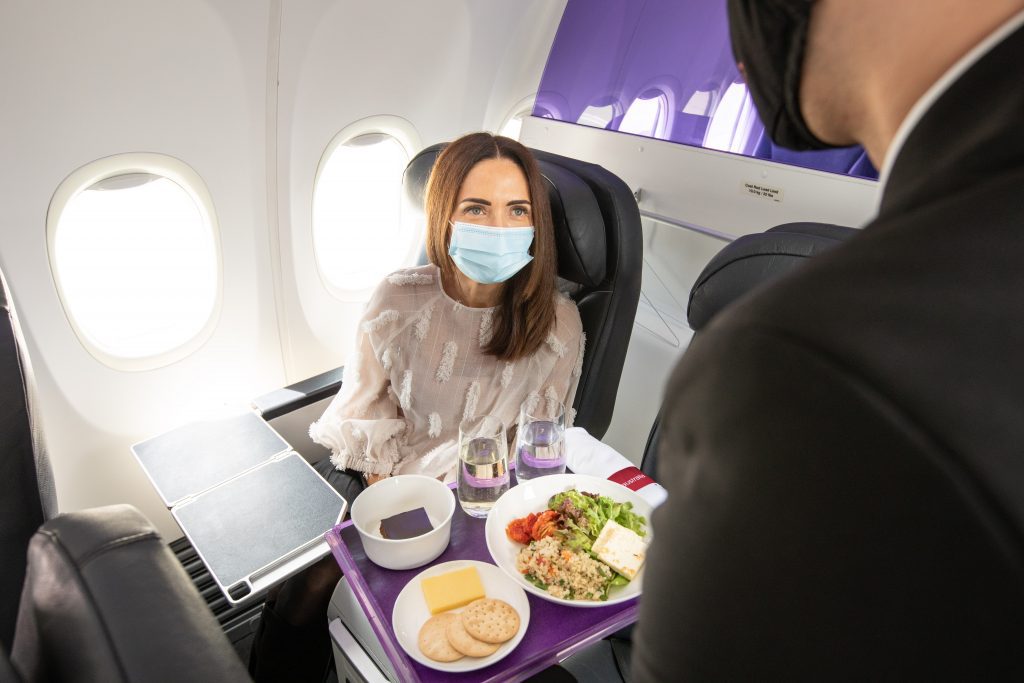
The airline is also introducing an Economy Lite seat-only fare, giving travellers the option to remove the unwanted cost of checked baggage from their ticket price
The move positions Virgin Australia as the only Australian airline to offer Economy, Economy X, seat-only Economy fares and Business Class, giving customers the most diversified range of airfare options in the domestic market. It will also bring Virgin Australia in line with most major US and European carriers.
The new fares will reduce Virgin Australia’s lowest lead-in Economy fare to just $59, which is a 33 per cent reduction when compared to September 2019 prices.
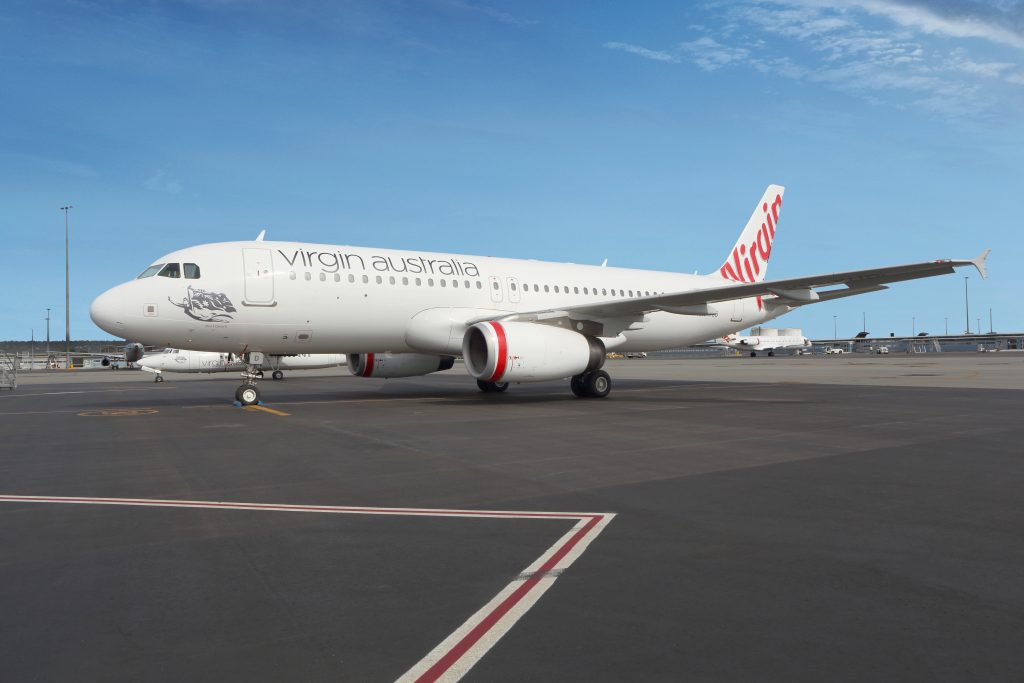
A Virgin Australia Group spokesperson said the new fares follow an extensive review of the airline’s fare pricing and structure.
“We discovered that nearly one in every three Virgin Australia customers don’t bring a checked bag when they travel, despite a bag allowance built in to their airfare. On flights between Melbourne, Sydney and Brisbane, that number is even higher.
“Today we’re putting the power back in the hands of our customers by leaving it up to them to choose what they want. If they don’t want a checked bag or seat selection, they won’t have to pay for it – it’s that simple. If they prefer to keep the extras, there are great value inclusive fare options available.
“Every customer is unique and has different needs and budgets, and we want to welcome all of them onboard to experience our award-winning service, in the way that best suits them,” they said.
Today’s announcement will see Virgin Australia customers have more fare flexibility
Virgin Australia Club members including eligible Velocity Frequent Flyer and Lounge members will continue to be welcomed to enjoy the airline’s premium and domestic lounges, irrespective of the ticket they buy.
The introduction of the new Economy fares follows the announcement earlier this week that Virgin Australia will retain its premium loyalty program and premium lounges (formerly known as “The Club”) in Melbourne, Sydney and Brisbane.

-
 News4 days ago
Ben Roberts-Smith arrested for war crimes allegations
-
Tech4 days ago
Investors pressure tech firms on water usage
-
Shows4 days ago
Melbourne property market analysis: value, challenges, and growth
-
Ticker Views1 day ago
Artemis II crew will endure 3,000°C on re‑entry
-
News2 days ago
North Korea tests cluster warhead on missile
-
Tech3 days ago
Apple shares drop on foldable iPhone delays
-
Leaders2 days ago
Australia raises over $3 million for Middle East crisis
-
News3 days ago
Iranian hackers escalate attacks on U.S. infrastructure