
News
Victorian Premier Daniel Andrews quits, leaving debt, lockdown legacy



Victorian Premier Daniel Andrews, who oversaw one of the world’s longest lockdowns, has quit.
Andrews says “when it’s time it’s time”, as he bows out as one of the longest-serving Victorian Premiers, overseeing the state of Victoria and Australia’s largest city, Melbourne.
The Victorian Premier announced he will resign tomorrow, September 27, at 5pm, standing down as Premier and the Member for Mulgrave in the Victorian lower house.
Andrews has been one of Victoria’s most controversial leaders, overseeing the “Big Build” which is set to transform Melbourne’s roads and public infrastructure after years of inaction and a growing population.
“It has been the honour and privilege of my life,” he said.
“Victorians have endorsed me and my team in record terms. I am very proud of that and I am very grateful for that. I am also proud to think of all that we have achieved over these nine years.
“In good times, and bad, always working hard to do whats right, not simply whats popular.”
“The only way that I know how to do this job is to have it consume me, to have it define me. To a certain extent, every waking moment is about the work and that takes a toll,” he said.
Andrews was widely praised for his handling of the devastating Black Summer bushfires in 2019 and 2020
Debt legacy
In June it was announced the state of Victoria is facing a dire financial forecast as the budget office issues a stern warning that its debt could potentially double within the next decade. This alarming projection has raised concerns among policymakers and economists alike.
According to the latest report from the Victorian Budget Office, the state’s current debt level is substantial, and if current fiscal policies continue, it could reach alarming proportions. The report attributes this worrying trend to a combination of factors, including increased government spending, economic challenges, and the ongoing impact of the COVID-19 pandemic.
One of the key drivers of this debt increase is the government’s response to the pandemic. While necessary to protect public health and support businesses and individuals during the crisis, the significant financial measures taken have had a lasting impact on the state’s fiscal health.
Economists are expressing concerns that if this trend persists, it could lead to higher taxes, reduced public services, or a combination of both. Additionally, a high debt burden can limit the state’s ability to invest in critical infrastructure projects and respond to unforeseen emergencies effectively.
The government has acknowledged the report’s findings and has vowed to take steps to address the looming debt crisis. However, finding a balance between necessary spending and fiscal responsibility remains a challenging task.
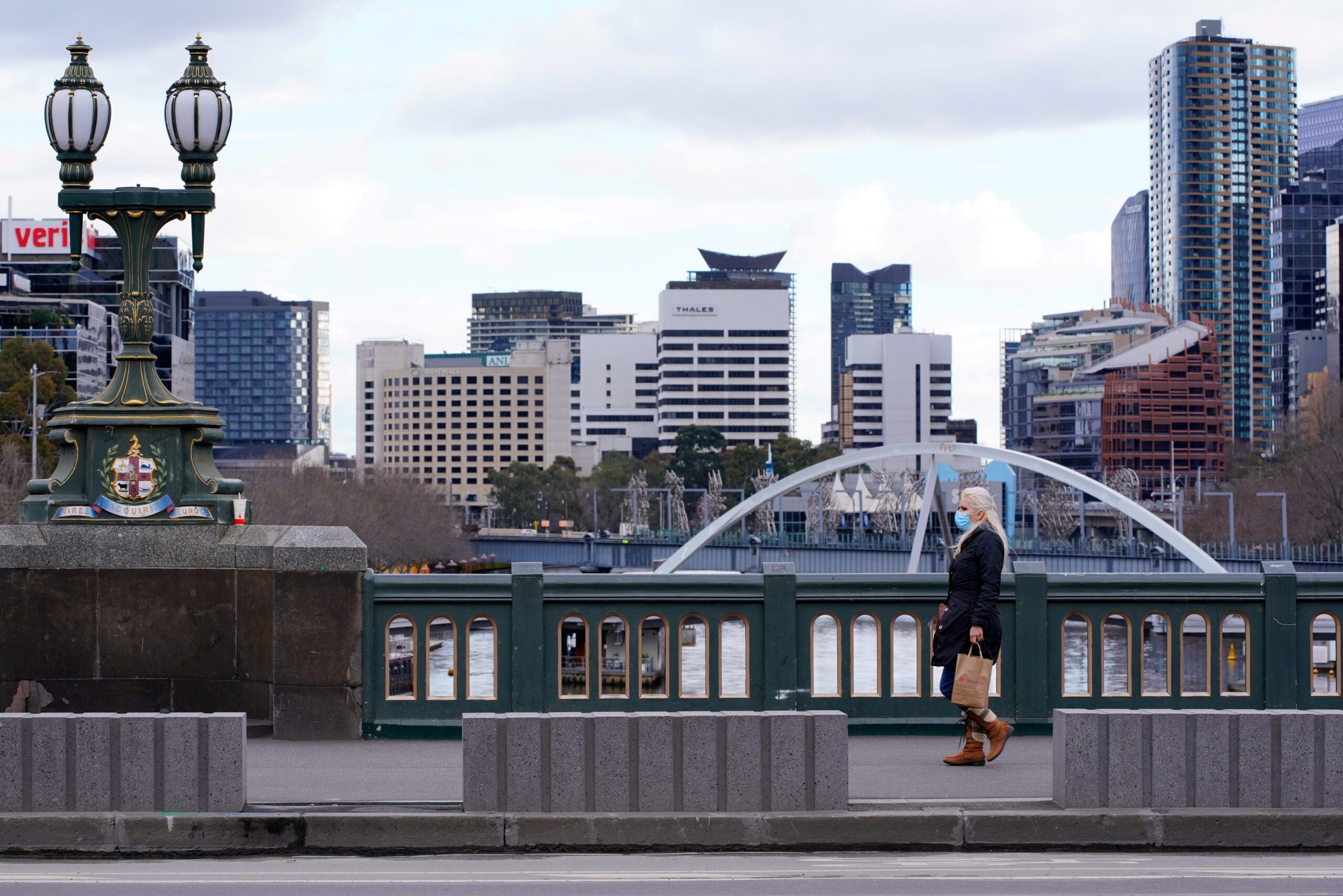
FILE PHOTO: A lone woman, wearing a protective face mask, walks across an unusually quiet city centre bridge on the first day of a lockdown as the state of Victoria looks to curb the spread of a coronavirus disease (COVID-19) outbreak in Melbourne, Australia, July 16, 2021. REUTERS/Sandra Sanders/File Photo
Lockdown legacy
The persistent lockdown measures implemented in Melbourne, Victoria, have left a trail of long-term economic damage, significantly impacting businesses and residents alike. What was initially intended to curb the spread of the COVID-19 virus evolved into a prolonged battle with unforeseen consequences.
The lockdowns, lasting several months, forced countless businesses to shutter permanently. Many small enterprises struggled to stay afloat, with devastating financial implications. The tourism and hospitality sectors, once thriving, suffered severe setbacks as restrictions hampered travel and in-person dining.
Employment rates also took a hit, leaving a growing number of Victorians unemployed or underemployed. The extended lockdowns disrupted workforce dynamics and hindered economic recovery efforts.
Furthermore, the mental and emotional toll on residents cannot be underestimated. Isolation, uncertainty, and disrupted routines contributed to a decline in mental health, placing additional strain on healthcare resources.
As the rest of the country gradually returned to pre-pandemic economic activities, Melbourne remained constrained, leading to a growing divide between the state and the rest of Australia.

FILE PHOTO: Commonwealth Games – Closing Ceremony – Alexander Stadium, Birmingham, Britain – August 8, 2022 Vanessa Amorosi performs during the closing ceremony REUTERS/John Sibley/File Photo
Commonwealth Games
Just months ago, the Victorian Premier Daniel Andrews announced a hefty expenditure of $380 million to cancel the hosting of the 2026 Commonwealth Games.
The decision comes as a significant blow to sports enthusiasts and event organizers who had been eagerly preparing for the prestigious international event.
The cancellation decision was made after extensive deliberation by provincial authorities, citing financial concerns and logistical challenges as the primary reasons. Victoria was originally selected as the host city for the 2026 Commonwealth Games, promising a spectacular showcase of athleticism and international unity. However, rising infrastructure costs, coupled with uncertainties surrounding the COVID-19 pandemic recovery, forced officials to reconsider.
The $380 million will be allocated to cover various expenses related to the cancellation, including contract terminations, venue adjustments, and compensation to stakeholders. This significant sum underscores the magnitude of the decision and its financial implications on the province.
The cancellation’s ripple effect extends to athletes, who had been dedicating their efforts to prepare for the games, and local businesses that were anticipating an economic boost from the event. It remains to be seen how Victoria will mitigate these repercussions.
As the province grapples with the aftermath of this decision, many are left disappointed, and the global sports community is left to ponder the fate of the 2026 Commonwealth Games. The cancellation raises questions about the long-term viability of hosting major international sporting events in an era of financial uncertainties and unforeseen challenges.
Political Profile
Dan Andrews, Premier of Victoria, Australia, is a prominent figure in the political landscape of the state. As the head of the government, he has been at the forefront of key policy initiatives and challenges facing Victoria. Let’s delve into the life and career of this influential leader.
Dan Andrews assumed office as the 48th Premier of Victoria on December 4, 2014. He is a member of the Australian Labor Party and represents the Mulgrave electoral district in the Victorian Legislative Assembly. With a background in law, Andrews has a strong foundation for his political career.
During his tenure, Premier Dan Andrews has focused on various critical issues, including healthcare, education, and infrastructure. One of his most notable achievements has been the successful handling of the COVID-19 pandemic. His leadership during this crisis earned him both praise and criticism, but he remained committed to prioritizing public health.
Andrews has also championed significant infrastructure projects, such as the Metro Tunnel and the removal of level crossings, aiming to improve transportation and create jobs in Victoria. His dedication to improving the state’s infrastructure has left a lasting impact.
In recent years, Premier Dan Andrews has faced challenges within his own party and controversies related to governance. However, his resilience and determination have allowed him to weather these storms and continue leading Victoria.

News
Big Tech earnings spark investor unease over AI spending
Investors monitor Big Tech’s AI investments, with Meta thriving while Microsoft and Tesla face uncertainty over growth and returns.

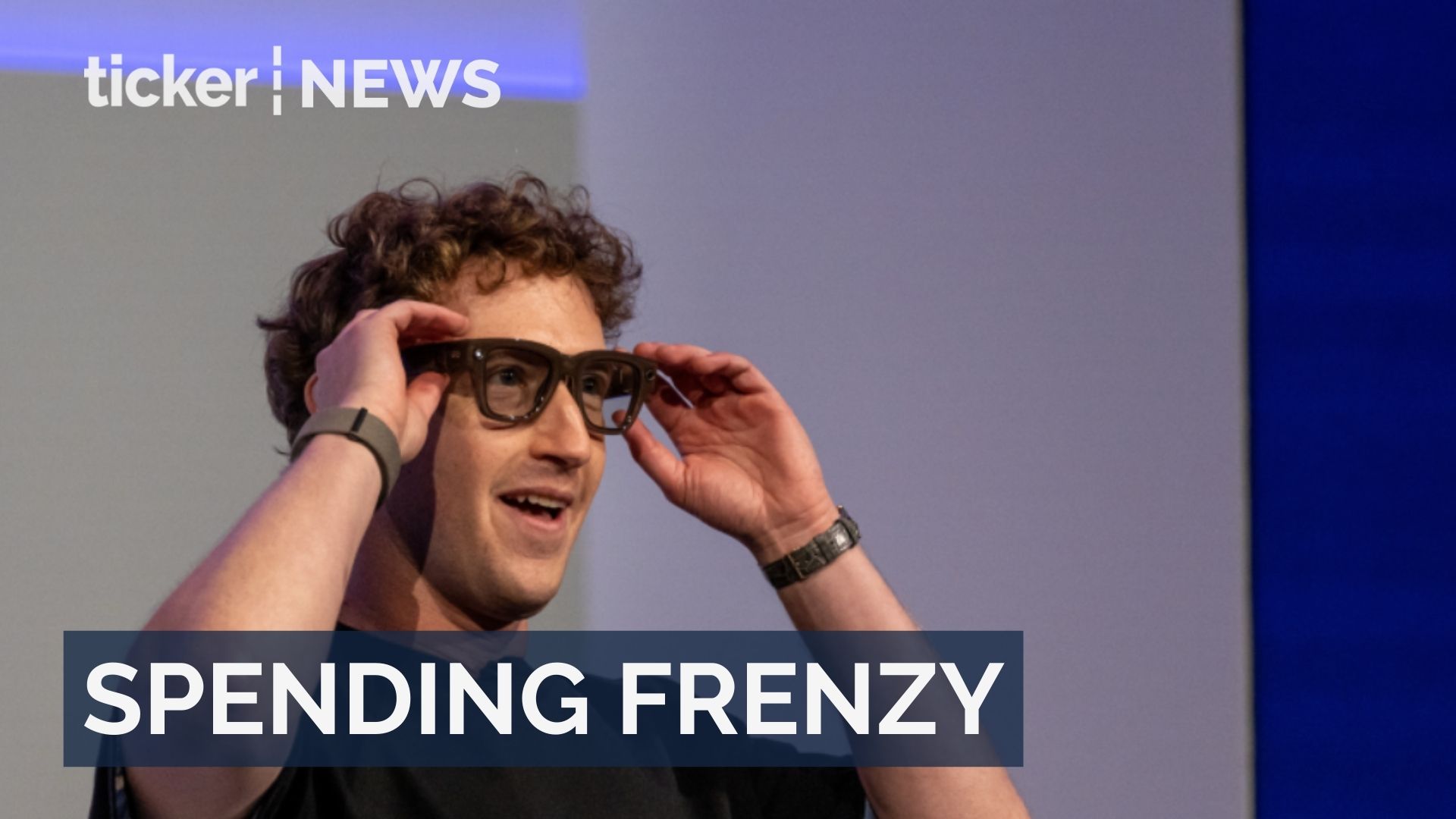
Investors monitor Big Tech’s AI investments, with Meta thriving while Microsoft and Tesla face uncertainty over growth and returns.
Investors are reacting sharply to Big Tech earnings this week, sending a clear signal that massive spending must translate into real growth. Markets are becoming less forgiving as companies pour billions into artificial intelligence, data centres and future tech while returns remain uncertain.
Meta has delivered a standout performance, posting a 24 percent jump in revenue for the December quarter, fuelled by AI-powered advertising. The company is doubling down on its strategy, with aggressive investment in AI and infrastructure expected to drive a further 33 percent growth this quarter.
Microsoft and Tesla tell a more cautious story. Microsoft reported only modest growth in its Azure cloud business, raising questions about its exposure to OpenAI, while Tesla plans to double spending on AI and autonomous driving. Analysts warn of a widening gap between bold AI ambitions and what investors expect in returns.
Subscribe to never miss an episode of Ticker – https://www.youtube.com/@weareticker

News
Federal Reserve holds interest rates amid economic uncertainty
Federal Reserve holds interest rates steady, balancing inflation and jobs, as some governors advocate for a cut. #FederalReserve #InterestRates #Economy
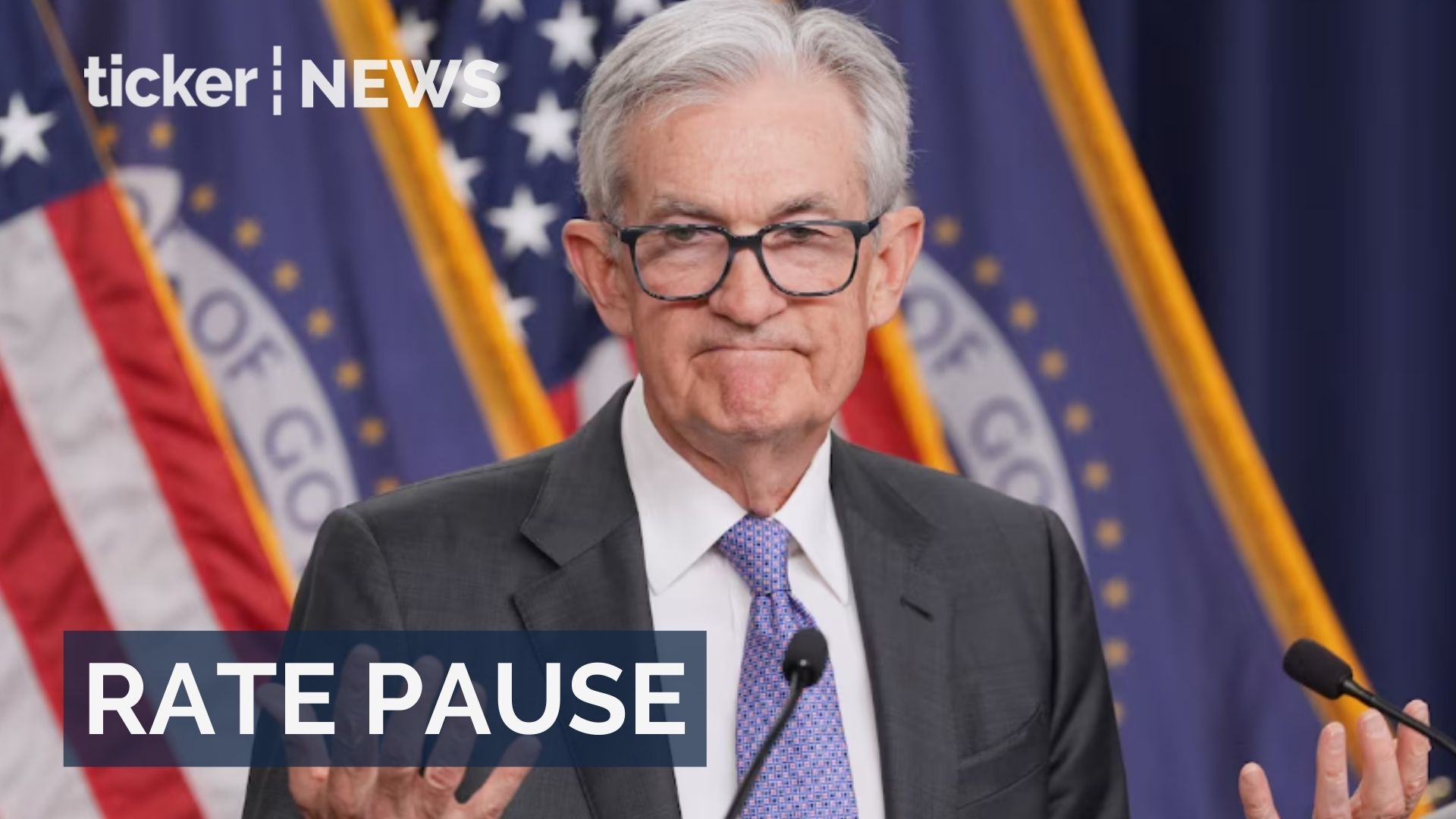
Federal Reserve holds interest rates steady, balancing inflation and jobs, as some governors advocate for a cut.
The Federal Reserve has opted to keep interest rates unchanged, marking the first pause since July. Officials are showing little urgency to resume cuts, even after previous rate reductions.
Two Fed governors opposed the decision, calling for a quarter-point cut, highlighting ongoing debates within the rate-setting committee, which includes both appointed governors and regional bank presidents.
Concerns over the job market and persistent inflation continue to weigh heavily on the Fed’s policy decisions, leaving economists and investors closely watching the next moves.
Subscribe to never miss an episode of Ticker – https://www.youtube.com/@weareticker
#FederalReserve #InterestRates #Economy
News
Trump warns Iran as U.S. naval forces approach amid rising tensions
Trump urges Iran to resume nuclear talks or face stronger U.S. military response amid economic struggles and tensions rise.
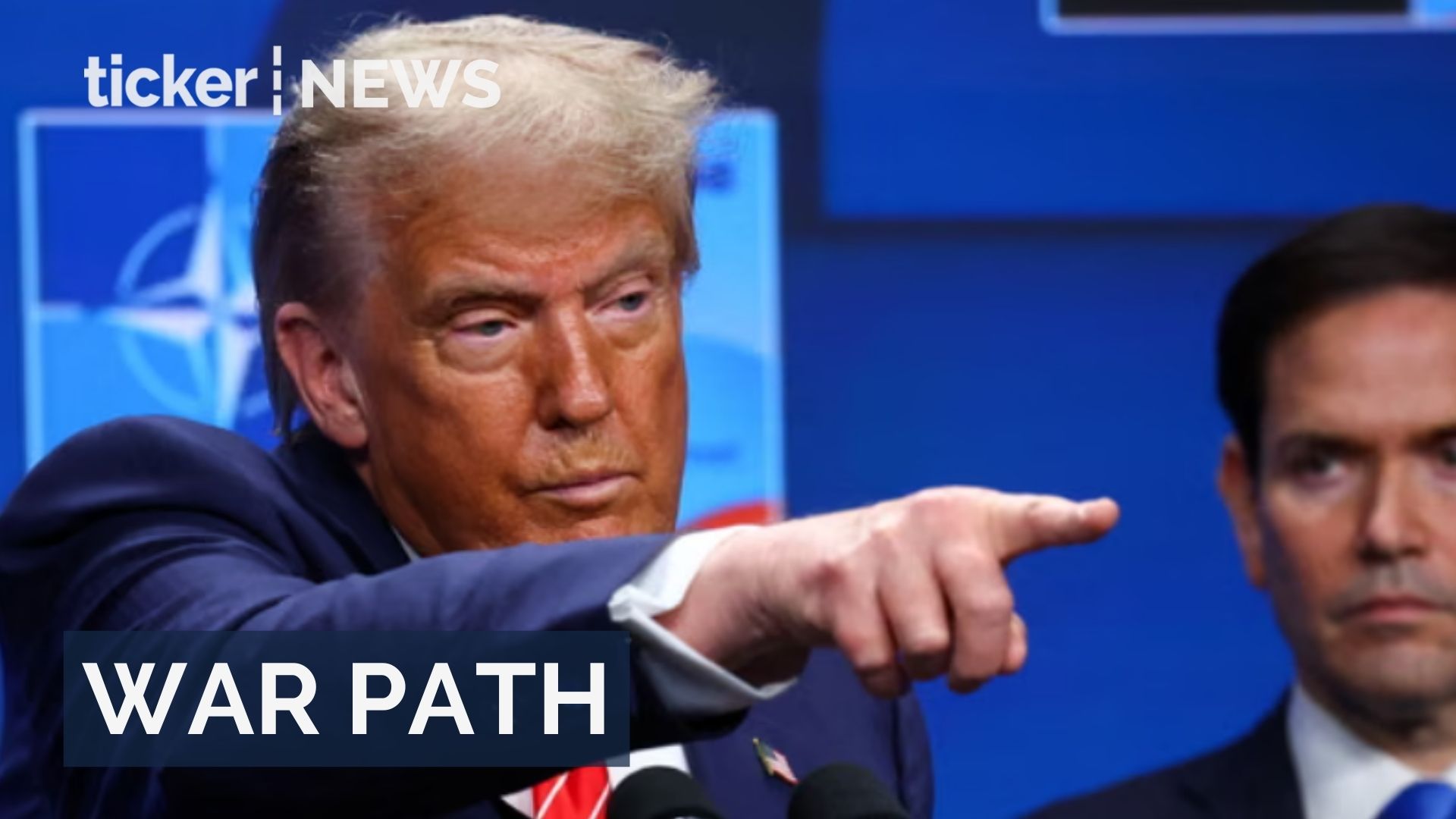
Trump urges Iran to resume nuclear talks or face stronger U.S. military response amid economic struggles and rising tensions.
U.S. President Donald Trump has urged Iran to return to nuclear negotiations, warning that failure to do so could result in a far more severe military response. Posting on Truth Social, Trump signalled a hardening stance as tensions between Washington and Tehran continue to rise.
Trump confirmed that a U.S. naval strike group led by the USS Abraham Lincoln is moving towards Iran, as protests grow inside the country over alleged government repression.
The show of force comes amid heightened regional instability and mounting pressure on the Iranian leadership.
#Trump #Iran #USForeignPolicy
-
 Tech4 days ago
Xiaomi reveals fully automated smartphone factory in China
-
News3 days ago
ABC News Facebook hacked, porn star images posted
-
News3 days ago
U.S. Naval Strike Group moves into Middle East as Iran protests escalate
-
Crypto3 days ago
Bitcoin and Ethereum lead $1.7 billion Crypto market outflow
-
News4 days ago
Mark Rutte rejects calls for a separate European army
-
News4 days ago
Arrest made following heated speech at Sydney rally
-
News4 days ago
White House responds after second fatal shooting in Minneapolis
-
Ticker Views5 days ago
Inside Trump’s Board of Peace and the power critics say is unprecedented