
Ticker Views
This one time in Afghanistan. Was it all for nothing? | ticker VIEWS

Coalition forces spent 20 years in Afghanistan. I was an Aussie journalist embedded for a month with the Australian Defence Force. Now we’re asking – was it all for nothing?
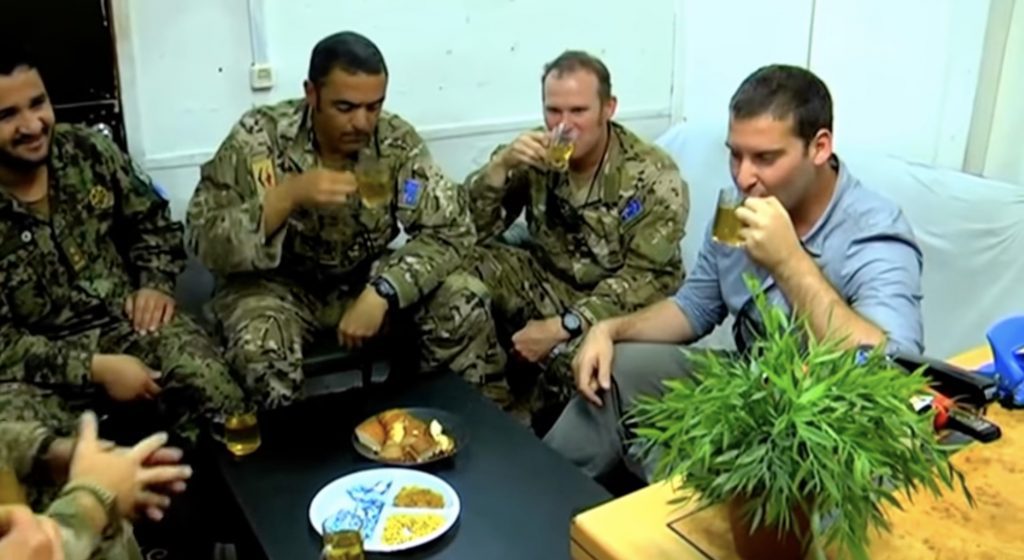
It began with a cup of pashawari tea, a tradition when entering someone’s home in Afghanistan. I was inside the new Afghan National Army (ANA) military base in Tarin Kot, in the Uruzgan province in central Afghanistan.
As we walked in to meet local Afghan leaders, I was warned by an Australian commander to drink the tea, for fear of offending the locals.
It was 2013, as Australian troops began withdrawing from Afghanistan, and the handover of security to the ANA was well underway.
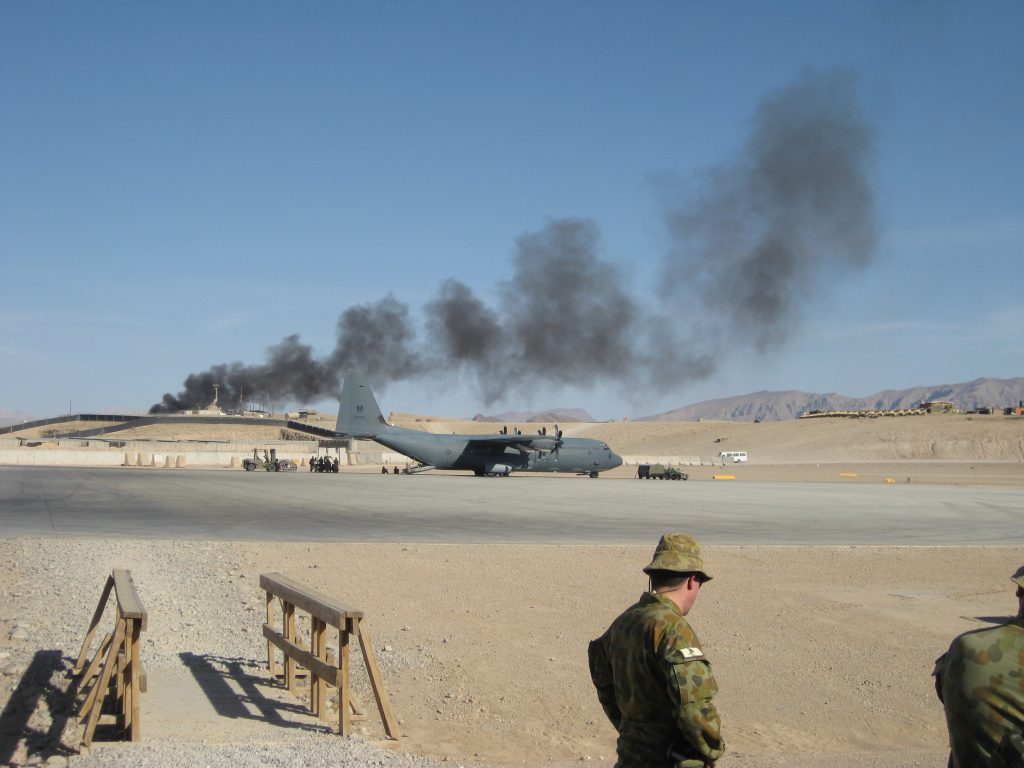
We’d flown in from the UAE on an ADF C130 Hercules on a secret path between Iran and Pakistan, down a narrow air corridor into Afghanistan.
Some on the flight crew looked nervous. I sat in the cockpit as we literally dove into the landing position. I could see the ground coming up in front of my eyes before the pilots pulled up and we landed safely.
It’s a landing move designed to prevent enemies on the ground from firing at the aircraft.
This was how you landed in Afghanistan.
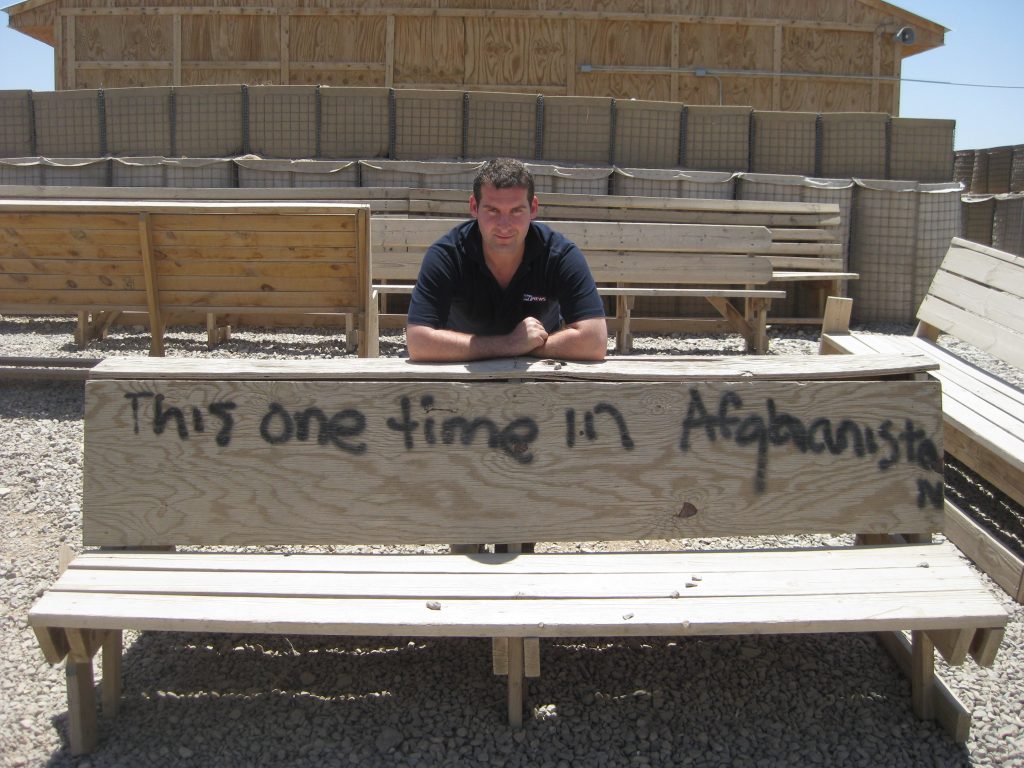
Over the following weeks, I travelled through the country. From Kabul to Kandahar, meeting troops from around the world. The American base in Kandahar was incredible, They had literally built a mini American town – with fast food stores and shops selling everything.
The military bases were all protected by a white airship which sat about 100 metres in the air above them, monitoring the surrounds to give advanced warning of a Taliban attack. It was a constant reminder that despite the presence of French fries, we were in the middle of a war zone.
“Are they ready?”
Back at Tarin Kot, I asked an Australian military commander about the readiness of the ANA. “In all honesty are they ready for Australian troops to pull out?”
The answer: “Absolutely. These guys are taking it to the Taliban every day. They are chomping at the bit to do this themselves.”
That year, the ANA, with assistance from the Australian troops, had killed over 200 insurgents in the Uruzgan province.
Even then, despite the tight media control I endured as an Australian journalist visiting Afghanistan as a guest of the ADF, the ANA commanders spoke candidly on camera about their problems.
“We don’t have enough medication here. We ask for medication but they don’t send enough,” he said.
Afghanistan always presented a catch-22 for western forces. Trying to defeat the Taliban when the country provides 90% of the world’s supply of opium.
In many cases, the families live by the rivers. They would grow poppies and once they were ready to harvest, the eldest son was taken with selling them at the border. On the way, they might encounter Afghan police. A firefight would break out, the eldest son would usually win, and he was referred to as the Taliban. None of it made much sense. How do you defeat that?
I’d ask “why don’t we try and introduce something else for them to sell, instead of poppies?”
Well, of course they’d tried that. From sugar to rice. Nothing sold as well as opium.
An Australian built base
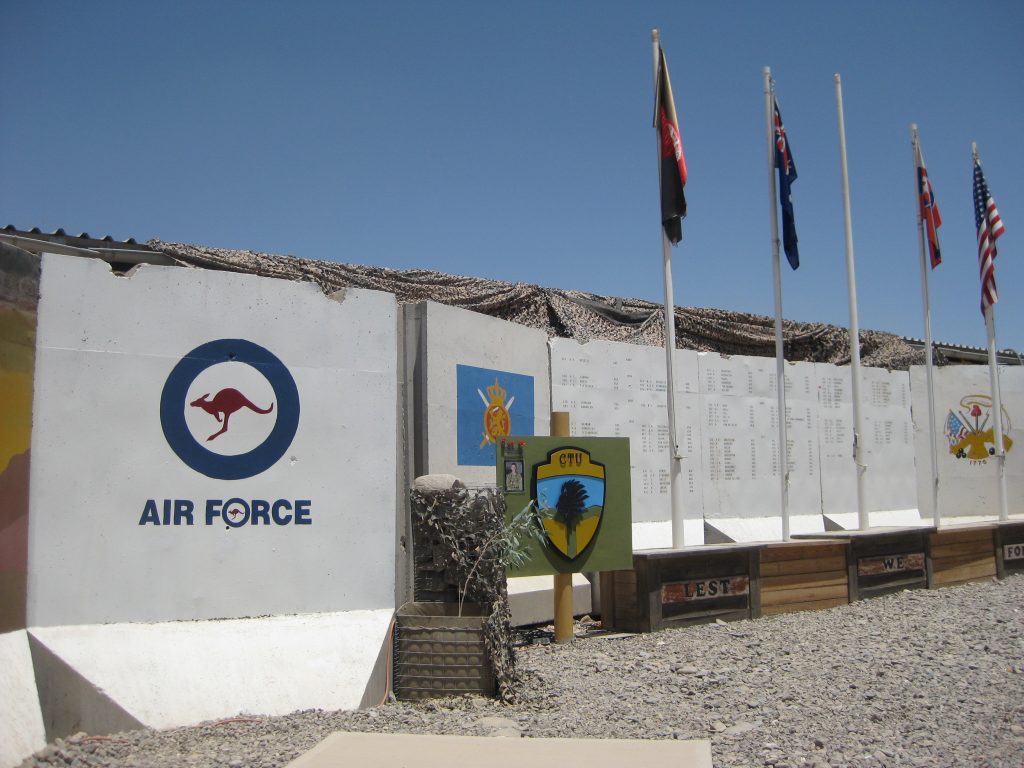
In Tarin Kot, the Australian government build the ANA a brand new $60 million base. I toured the base, accompanied by two ADF “guardian angels” as they’re called.
Their job was to escort me through the Afghan base, and avoid a “green on blue” attack whereby we come under fire from the ANA soldiers.
A year earlier, in 2012, three Australian soldiers had been killed by a man wearing an Afghan army uniform.
Despite that, the Australian commanders were certain their efforts were paying off.
As an Australian soldier told me in an interview, “A facility such as this will continue to give them that firm security footprint to continue that success.”
Eight years later, with Australian soldiers long gone from Uruzgan, the Afghan National Army put up little effort to confront the Taliban. Last week, the Taliban took control of Uruzgan.
According to the Associated Press:
In Tirin Kot, the capital of the southern Uruzgan province, Taliban fighters paraded through a main square, driving a Humvee and a pickup seized from Afghan forces.
I can’t help but ask – did we build the Taliban a $60 million base?
The greatest achievement the Australian army spoke of was the liberation of women and young girls in Afghanistan, who could now get an education.
There are now grave fears as hundreds of thousands of Afghans flee their homes.
Twenty years for what?
Coalition forces, including Australia, the UK and of course the US, spent two decades and the best part of a trillion dollars trying to establish a functioning state in the wake of the September 11 attacks.
Taliban fighters are now riding around in American humvees and carrying M-16s they’ve “taken” from Afghan forces.
Local soldiers had no motivation to fight, due to large corruption and mismanagement. It all worked, so long as the American tap kept pouring money down the local drain.
President Biden was the fourth president to oversee the war in Afghanistan. There was bipartisan agreement in Washington that the war wasn’t going anywhere.
Still, it’s shocking to see how quickly the country fell to the Taliban. After all that.
Spare a thought for all the servicemen and women who were there, some of whom I met. It’s got to be a tough time for them.
-
 News22 hours ago
Iraq’s oil exports halted, output down 70%
-
Tech4 days ago
Judge McCormick reassigns Musk cases after bias claims
-
News4 days ago
Thousands of U.S. paratroopers arrive in Middle East
-
News4 days ago
Iran intensifies crackdown amid war unrest fears
-
News22 hours ago
Trump imposes 100% tariff on imported drugs
-
Shows4 days ago
Offshore support boosts brokerage growth and efficiency
-
Money4 days ago
RBA removes card surcharges, saving $1.8 billion
-
Tech3 days ago
Microsoft faces challenges amid AI concerns and stock decline