

News
The rise of the apologetic CEO

We now live in the era of the apologetic CEO, but do those words have meaning and consequences?
There was a time when CEOs bore the stiff upper lip. Never explain, never complain. It worked for hundreds of years, essentially telling customers and employees “We are trying our best, but if you don’t like it, leave”. Hold the line.
But the Covid pandemic, and the rise of the Teflon-politician plus social media, have now changed business and the way a CEO and their company deals with the outside world.
Sorry now seems to be the easiest word.
Apology strategy
It works like this:
- Major stufff up that the company expects will go unnoticed
- Denial of the stuff up or silence
- Public and then political backlash
- CEO accidentally says something publicly that makes it worse
- Board intervenes
- CEOs top media team hire external crisis comms team to fix things
- External camera crew hired and sets up in the lobby of corporate HQ or on the factory floor
- CEO makes a grovelling apology trying to connect with customers.
But what does it do to fix the original crisis? And has it become a cynical attempt at being seen to take ownership (the buck stops with me), but then nothing happens?
The Qantas case
Qantas prides itself as the national flag carrier, even though it’s a publicly listed company now. But it finds itself constantly caught in the grips of customers, unions, the media and the government.
Following the pandemic, Qantas found itself in a world of pain. On the plus side, travel was back in a big way and the profits would soon follow. In this instance, it was better to be the CFO than the CEO.
Qantas stood down thousands of workers, many of whom left the relatively low-paying fickle aviation industry for higher-paying, stable jobs on the other side of “air side”.
Staff problems
I recently met a tram driver who used to be a Qantas International pilot. Instead of trekking to Melbourne airport to start work, he now begins his shift by meeting the tram at the end of his street. Basically, the staff moved on.
As the post-covid era rolled along, bags were lost, flights were canceled and angry customers vented to the media, then-CEO Alan Joyce ran through the “PR crisis handbook” outlined above.
Deny, blame, admit, move on.
Here was Alan Joyce’s apology in August 2022:
“On behalf of the national carrier, I want to apologise and assure you that we’re working hard to get back to our best.”
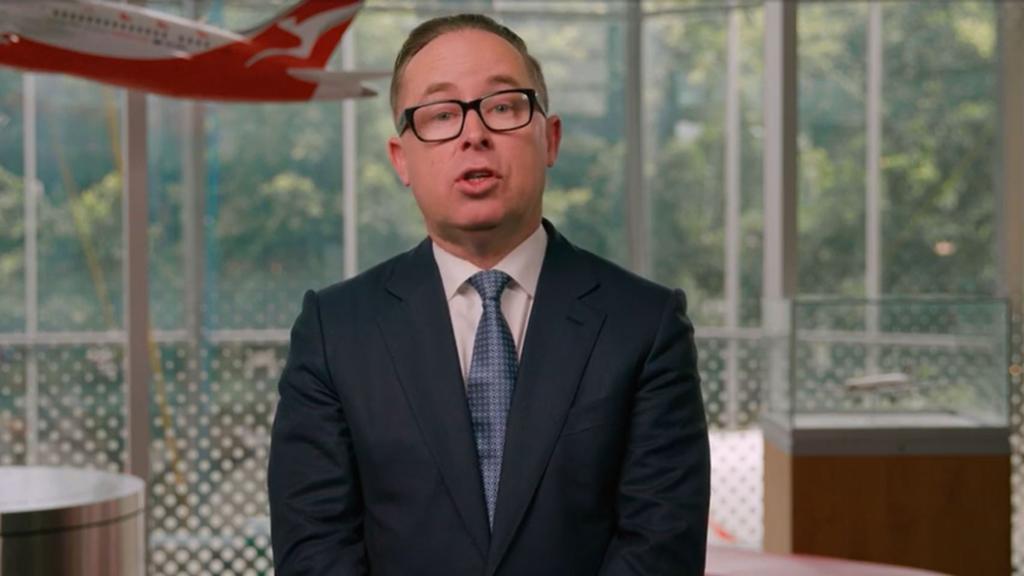
Fast forward to this month, and Alan Joyce is out at Qantas. His replacement is his CFO, Vanessa Hudson.
CFOs focus on operations and streamlining processes but sometimes struggle with human connection. A CEO has to put everybody first, but a CFO has to put the company first.
Vanessa Hudson is a lower-profile CEO than Joyce, so far avoiding the spotlight, or being seen mingling with celebrity chefs.
A year after Joyce’s apology, Ms Hudson recorded a video statement to customers:
“I was a part of the leadership at the time, but clearly I wasn’t the chief executive then. I am the chief executive now and what I would say is that I would like to be judged by what we do now and how we behave going forward.”
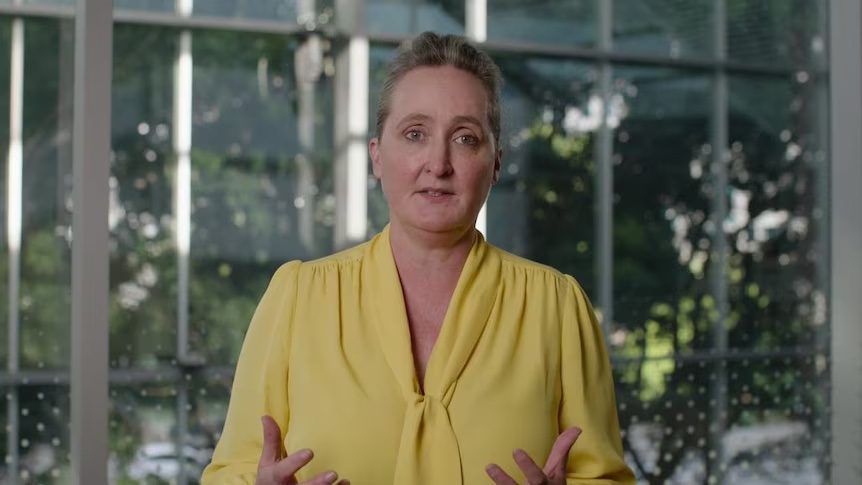
Moving On
While the CEO has changed, the messaging has not. This may soon happen, as Vanessa Hudson grows into the role and identifies people who need to be moved on and people who need to be moved in.
But once she builds the right team, listen to them. Often CEOs ignore internal advice and only listen to external consultants.
For passengers though, what difference does an apology make? What happened in that year after Alan Joyce apologied that made Qantas better for today?
Historically when Qantas has been in trouble, they unleash another rendition of I Still Call Australia Home during some sort of sports final.
It’s like the partner who keeps breaking trust and continually begs for forgiveness. It’s time to pack your bags and burn that red flag.
The Qantas dilemma
Qantas has some big issues that will take decades to fix. Airlines are slow-moving beasts.
Aside from the huge debt burden, unions that are bolstered by a High Court win, plus favourable governments running the country and the states, and an angry customer base ready to rock up with pitchforks, there are even more fundamental issues facing the new CEO.
Australians are famously egalitarian. We demand high service at a low cost, and we’re not afraid of complaining until things are changed. That’s how we’ve built this great nation and keep rolling Prime Ministers.
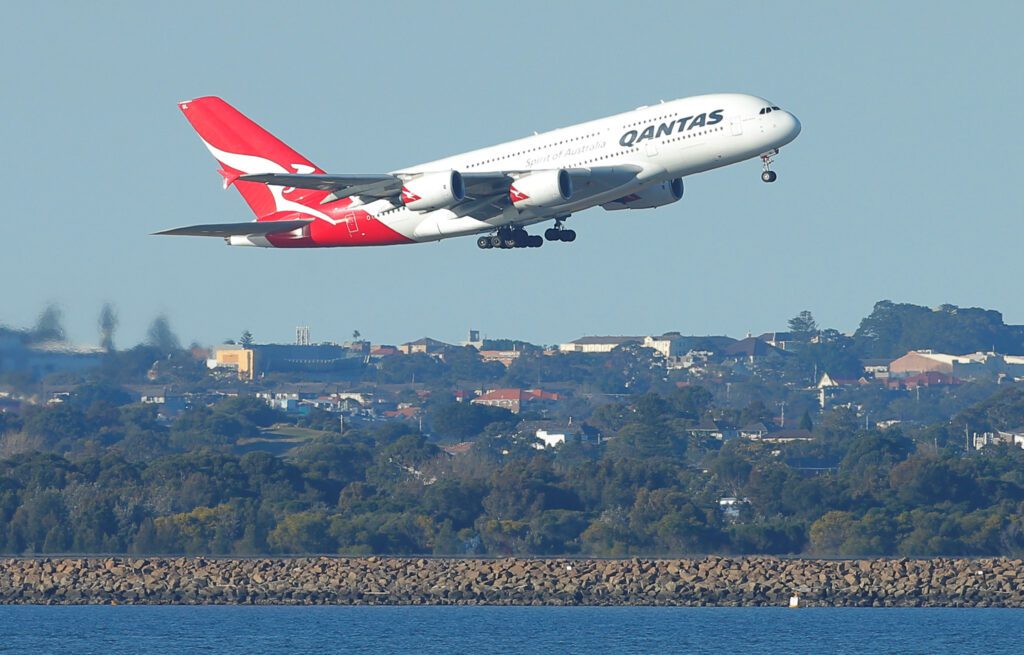
Jumbo sized problem
For decades, Qantas has been stuck with the wrong-sized planes. Not since the 747 has there been an aircraft that meets the comfort needs of passengers and the budgets of airlines at the same time.
Airlines have been demanding more fuel-efficient planes and aircraft manufacturers are trying to squeeze more range out of smaller carbon fibre frames.
Anyone who has flown a 787 Dreamliner will soon forget the LED windows, and remember how much more space there was on a 747 or A380. Anyone who has dropped an Airpod in economy knows what I’m talking about.
Australians are big people who require big planes and bigger seats with wider pitch.
Australia is a long way from anywhere. As is New Zealand, yet Air New Zealand has come up with far more innovative ways to keep passengers comfortable on long-haul flights than Qantas.
Industry trends
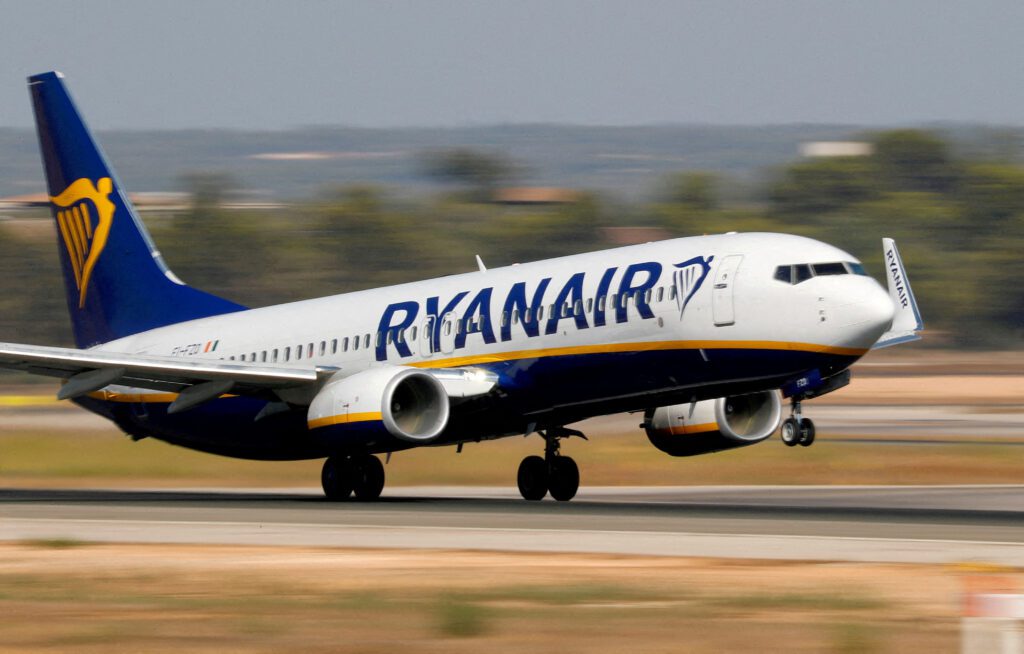
The airline industry has been marching to the same tune for decades, since the emergence of RyanAir and Southwest. Cheaper flights, poorer service, and a relationship with customers that is cost-based, not value-based. The rise of airport security only tipped the scales even further towards mean airlines.
For those times, Joyce was the right CEO for Qantas, as he had successfully built up Jetstar in Australia. And frankly, Qantas couldn’t carry on running as a government-funded airline.
The Crying CEO
Qantas is an example but far from the only company that struggles with its messaging. There are the CEOs that go even further.
Remember the CEO who took to LinkedIn to post a weeping selfie after making the decision to make staff redundant?

Braden Wallake runs the Ohio-based business-to-business marketing agency Hypersocia. The post received more than 6,700 comments and nearly 33,000 reactions.
Some LinkedIn users mocked Wallake’s post, calling him “out of touch” and “cringe-worthy” or suggested that he should focus on helping his former employees rather than on how the situation had affected him.
New CEOs Building Trust
The appointment of a new CEO marks a significant transition that can shape the future of an organisation.
Upholding a strong ethical compass reassures stakeholders that the CEO will make decisions aligned with the organisation’s core beliefs. This builds trust over time.
The CEO’s track record and expertise play a pivotal role. In the case of Vanessa Hudson, this will be her most difficult task, given she was holding the financial levers at the airline.
Apologising is good spin, but action is a must.
-
 News2 days ago
Apple launches products on October 13
-
News2 days ago
AI Review Committee provides expert advice on governance
-
News2 days ago
Trump: US won’t attack Iran before midterms
-
News4 days ago
OpenAI apologises to Australia for AI incident
-
Shows3 days ago
Redefining success: beyond money and status
-
Shows4 days ago
High-quality early childhood education: roles and responsibilities
-
News4 days ago
Drone strike sinks ship; crew missing
-
News4 days ago
Widespread student protests in France escalate tensions