
Connect with us
https://tickernews.co/wp-content/uploads/2023/10/AmEx-Thought-Leaders.jpg

Tech

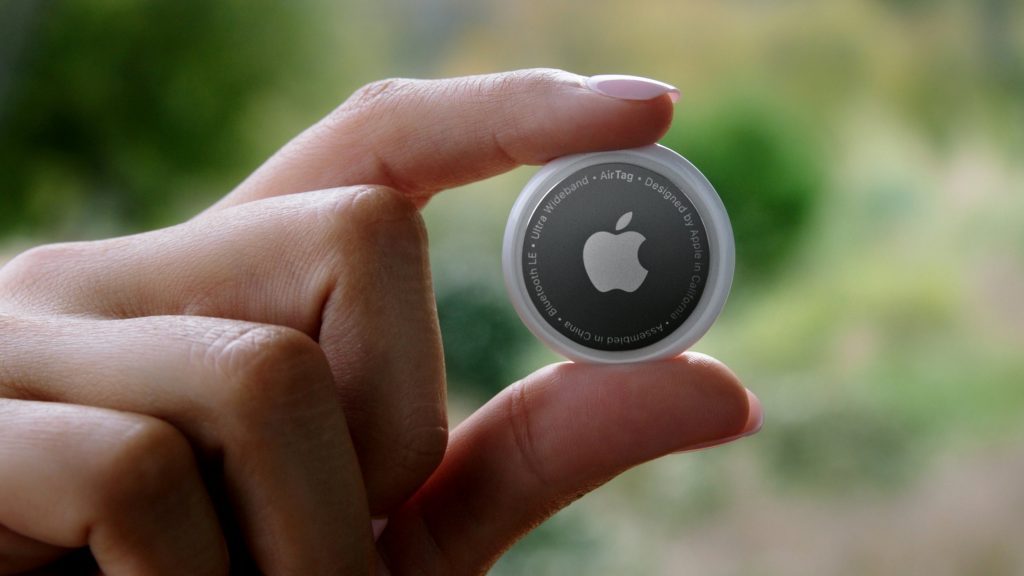
The Apple products that pose a risk to pacemakers

Published

on

Apple has listed products it says should be kept a “safe distance” away from medical devices like pacemakers

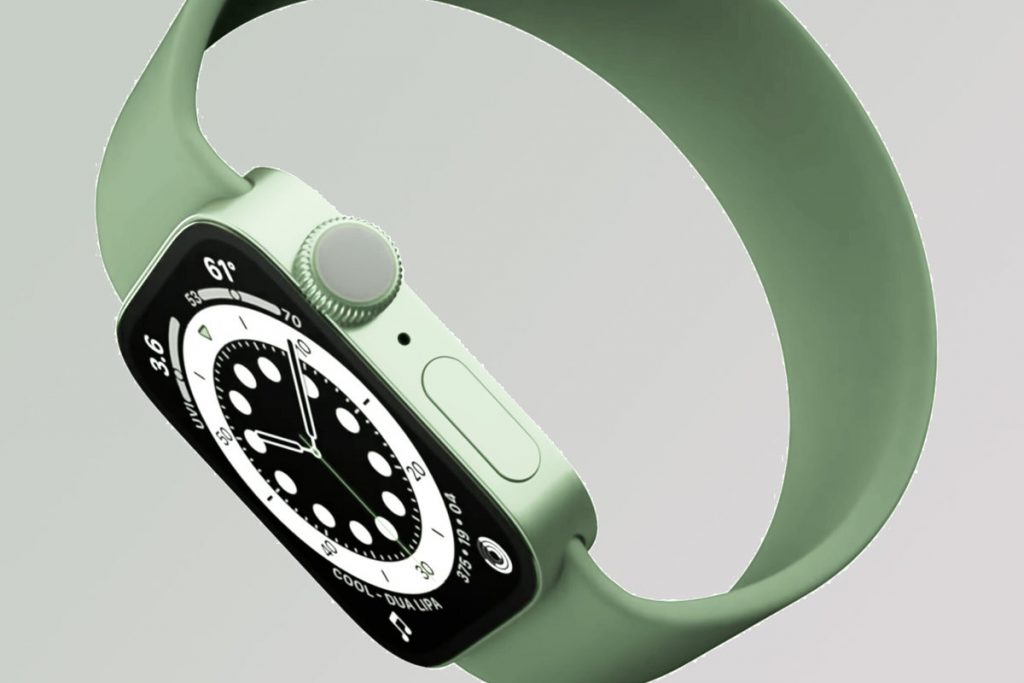
The tech giant revealed the scary news with the list of dangerous tech including all iPhone 12 models, Apple Watch and MacBook Pro.

Apple stated that many consumer-electronic devices contain components, such as magnets, can interfere with medical devices.

The news comes as Apple’s “health” feature gains popularity around the world.

Some Apple Watches can take an electrocardiogram test that records the timing and strength of the electrical signals that make the heartbeat.

The current notice warns of risks from components in some products.

“Under certain conditions, magnets and electromagnetic fields might interfere with medical devices,”

Apple wrote. 

Apple stated “implanted pacemakers and defibrillators might contain sensors that respond to magnets and radios when in close contact”.

Implanted defibrillators send electrical pulses to regulate abnormal heart rhythms.

The firm said the listed products should be kept more than 15cm (6in) away from medical devices, double that if they are wirelessly charging.

A number of other manufacturers, for example, Samsung and Huawei, have issued similar guidance for some of their products.
Strong magnets

Research published in the Journal of the American Heart Association found that “Apple’s iPhone 12 Pro Max MagSafe technology can cause magnet interference”, and consequently had the potential “to inhibit life-saving therapy”.

MagSafe enables fast wireless charging.

Continue Reading
Click to comment

Leave a Reply

Your email address will not be published. Required fields are marked *

Tech

Airbus A320 fleet faces software upgrade due to risk

Airbus alerts A320 operators to urgent software fix after JetBlue incident raises safety concerns

Published

on

Airbus alerts A320 operators to urgent software fix after JetBlue incident raises safety concerns

video
play-sharp-fill
In Short:
– Airbus warns over half of A320 fleet needs software fixes due to potential data corruption risks.
– Affected airlines must complete upgrades before next flights, with operational disruptions anticipated during a busy travel season.

Airbus has issued a warning regarding its A320 fleet, indicating that over half of the active jets will require a software fix.

It follows a recent incident involving a JetBlue Airways aircraft, where “intense solar radiation” was found to potentially corrupt data crucial for flight control system operation.

The European plane manufacturer stated that around 6,500 jets may be affected. A regulation mandates that the software upgrade must occur before the next scheduled flight.

Banner

Operational disruptions for both passengers and airlines are anticipated. The issue arose from an incident on October 30, where a JetBlue flight experienced a computer malfunction that resulted in an uncommanded descent. Fortunately, no injuries occurred, but the malfunction of an automated computer system was identified as a contributing factor.

Airlines, including American Airlines Group, have begun to implement the required upgrades.

The majority of affected jets can receive an uncomplicated software update, although around 1,000 older models will necessitate an actual hardware upgrade, requiring grounding during maintenance.

Hungarian airline Wizz Air has also initiated necessary maintenance for compliance, potentially affecting flights. This announcement has surfaced during a busy travel season in the US, with many facing delays due to other factors as well.

Regulatory Response

The European Union Aviation Safety Agency has mandated that A320 operators replace or modify specific elevator-aileron computers. The directive follows the JetBlue incident, where a malfunction led to a temporary loss of altitude.

Airbus’s fix applies to both the A320 and A320neo models, representing a vital response in ensuring aircraft safety.


Download the Ticker app

Continue Reading

Tech

China blocks ByteDance from using Nvidia chips in new data centres

China blocks ByteDance from using Nvidia chips, tightening tech control and pushing for domestic AI innovation amid U.S. restrictions.

Published

on

China blocks ByteDance from using Nvidia chips, tightening tech control and pushing for domestic AI innovation amid U.S. restrictions.


Chinese regulators have moved to block ByteDance from deploying Nvidia chips in newly built data centres, tightening control over foreign technology used by major Chinese tech giants. The decision comes after ByteDance made substantial purchases of Nvidia hardware amid fears of shrinking supply from the United States.

Washington has already restricted the sale of advanced chips to China, allowing only weakened versions into the market. Beijing’s latest move reflects its push to reduce dependence on U.S. technology and accelerate home-grown AI innovation.

The ban places operational and financial pressure on ByteDance, which must now work around a growing pile of Nvidia chips it is no longer allowed to use. Domestic suppliers like Huawei are expected to step in as China intensifies its pursuit of tech self-reliance.
Subscribe to never miss an episode of Ticker – https://www.youtube.com/@weareticker

#ChinaTech #ByteDance #Nvidia #AIIndustry #USChinaTech #ChipRestrictions #Huawei #TechPolicy


Download the Ticker app

Continue Reading

Tech

OpenAI launches shopping research tool for ChatGPT users

OpenAI launches shopping research tool to enhance e-commerce experience ahead of holiday season spending boost

Published

on

OpenAI launches shopping research tool to enhance e-commerce experience ahead of holiday season spending boost

video
play-sharp-fill
In Short:
– OpenAI’s “shopping research” tool helps users find detailed shopping guides tailored to their preferences.
– Users can access Instant Checkout for purchases while ensuring user chats are not shared with retailers.
OpenAI has launched a new tool called “shopping research,” coinciding with an increase in consumer spending ahead of the holiday season.This tool is aimed at ChatGPT users seeking comprehensive shopping guides that detail top products, key differences, and the latest retailer information.

Users can customise their guides based on budget, features, and recipients. OpenAI notes that while the tool takes a few minutes to generate responses, users can still use ChatGPT for quicker queries like price checks.

Banner

When users ask specific prompts, such as finding a quiet cordless stick vacuum or a gift for a niece who loves art, the shopping research tool will appear automatically. It can also be accessed via the menu.

Shopping Research

OpenAI has been expanding its e-commerce capabilities, with the introduction of the Instant Checkout feature in September, enabling purchases directly through ChatGPT.

Soon, users of the shopping research tool will also be able to use Instant Checkout for making purchases.

OpenAI assures that shopping research results are derived from publicly available retail websites and will not disclose user chats to retailers, although it does warn that inaccuracies may occur in product availability and pricing.

Shopping research is now available to OpenAI’s Free, Go, Plus, and Pro users logged into ChatGPT.


Download the Ticker app

Continue Reading

Trending Now