
Connect with us
https://tickernews.co/wp-content/uploads/2023/10/AmEx-Thought-Leaders.jpg

Ticker Views

Russians turn to secret emojis to evade Putin’s police state

Published

on

With the Russian government clamping down on protest against the invasion of Ukraine, demonstrators are turning to other methods to organise their protests.

With Facebook and Twitter shut down, and the ever growing presence of Russian surveillance, protestors are using emojis to organise their movement.

The story of how Russian protestors communicate will be remembered for their ingenuity – and the rise of emojis.

These modern day hieroglyphics are allowing protesters to evade the surveillance state that has tried to crack down on dissent.

In late February, this image started to spread on Russian social media.
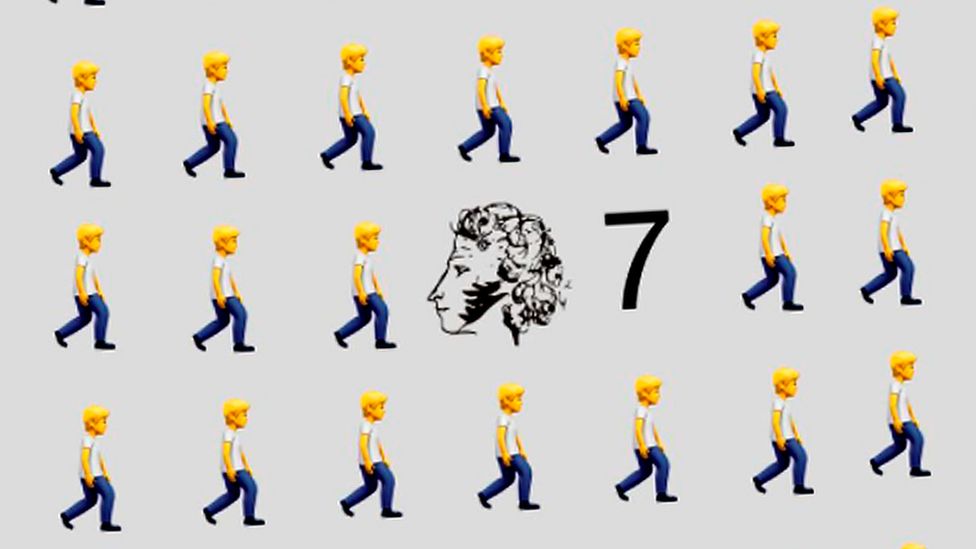
It’s shows the Russian poet Pushkin, the number seven, and rows and rows of the person walking emoji.

What could it mean? Well to those with prior knowledge, it was directions for a protest at Pushkin Square in Moscow, and a call to protest against the Russian government’s actions.

Unfortunately, this picture turned to this on the ground – as police far out numbered protesters.

The emojis made reference to a code used for years in Russia to organise to protests – one so well known to the authorities, that it’s barely code at all.

Protests are banned

But with unauthorised protests banned by Putin’s regime since 2014, demonstrators are turning to new methods to evade detection.

Anyone caught protesting faces 15 days in detention, and recently, the threat of being sent to the front line in Ukraine.

But that threat hasn’t deterred every day Russians from speaking out.
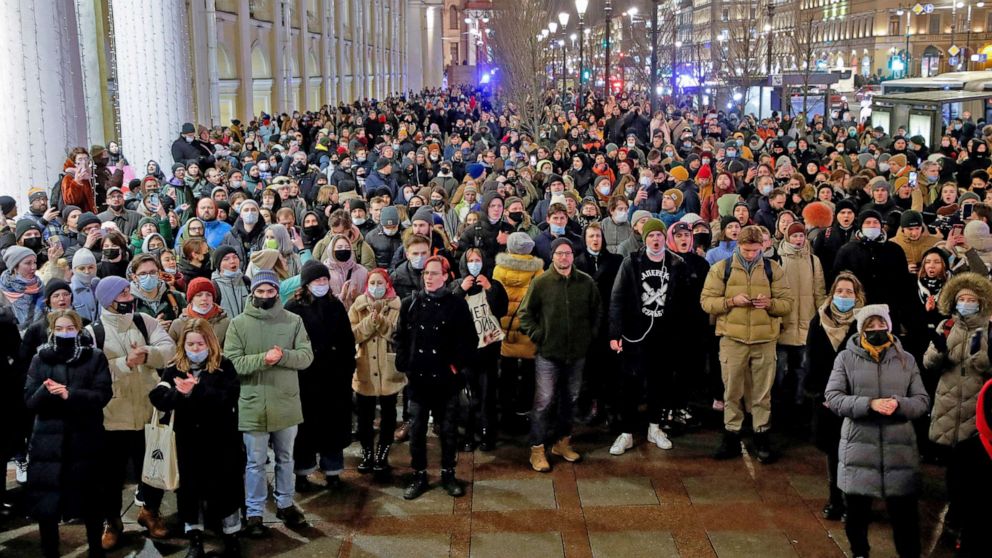
On one occasion, a protest organiser who sent out a cryptic emoji was paid a visit by authorities the next morning and detained for several days. Some protesters have even been arrested over a single tweet.

Two weeks into the war in Ukraine, and more than 14-thousand people have been detained in Russia for protesting – and the shut down of Tik Tok, facebook and independent Russian media have only made it harder for protesters to gather and evade authorities.

Ahron Young is an award winning journalist who has covered major news events around the world. Ahron is the Managing Editor and Founder of TICKER NEWS.

Ticker Views

Middle East conflict hits investors: Markets react amid Trump’s watch

Middle East conflict impacts global markets; insights on investor behavior and strategies during geopolitical tensions. Subscribe for updates!

Published

on

Middle East conflict impacts global markets; insights on investor behavior and strategies during geopolitical tensions.


The ongoing conflict in the Middle East is sending ripples through global markets. Investors are closely monitoring the situation as geopolitical tensions affect market stability and risk sentiment.

Dale Gilham from Wealth Within explains how wars influence investor behaviour, sector performance, and long-term strategies. From media coverage to asset shifts, we explore every angle shaping financial decisions in uncertain times.

Subscribe to never miss an episode of Ticker – https://www.youtube.com/@weareticker

#MiddleEastConflict #MarketVolatility #InvestorInsights


Download the Ticker app

Continue Reading

Ticker Views

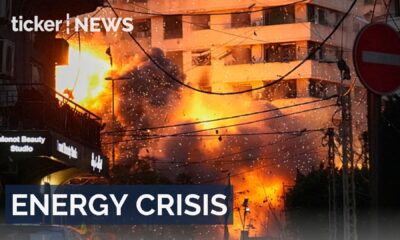
Middle East crisis surge amid global energy fears

Published

on

Middle East conflict escalates post U.S.-Israel strikes on Iran, affecting regional security and global energy markets.


A major conflict has erupted in the Middle East after U.S. and Israeli strikes on Iran, sparking retaliation and raising regional tensions. Civilians face humanitarian and economic hardships as Gulf countries scramble to secure critical infrastructure and trade routes, including the Strait of Hormuz.

Hezbollah and other regional actors are adding complexity to the crisis, while incidents like the mistaken downing of U.S. jets by Kuwaiti defences have heightened fears of accidental escalation.

Global energy markets are already feeling the strain, with oil prices fluctuating amid growing uncertainty.

Oz Sultan from Sultan Interactive Group explains the conflict’s impact on regional security and the global economy, and what steps could help de-escalate tensions.

#GlobalMarkets #EnergyImpact #OilPrices #MiddleEastConflict #Geopolitics #TickerAnalysis #CrisisWatch #WorldEconomy


Download the Ticker app

Continue Reading

Ticker Views

Rising oil prices threaten Australia as Central Banks face tough choices

Rising oil prices from Middle East tensions may threaten Australia’s inflation, interest rates, and household finances.

Published

on

Rising oil prices from Middle East tensions may threaten Australia’s inflation, interest rates, and household finances.


Tensions in the Middle East are pushing oil prices higher, creating a ripple effect across global markets. For Australia, this surge poses significant risks to inflation, interest rates, and household finances. Central Banks worldwide are now grappling with complex decisions to stabilize economies.

Dr Steven Enticott from CIA Tax breaks down how rising energy costs could impact the Reserve Bank of Australia’s policy decisions, the potential for petrol price spikes, and the broader implications for consumers and businesses.

Subscribe to never miss an episode of Ticker – https://www.youtube.com/@weareticker

#AustraliaEconomy #OilPrices #InflationWatch #RBA #MiddleEastTensions #PetrolPrices #FinancialNews #GlobalMarkets


Download the Ticker app

Continue Reading

Trending Now