News
Musk cautious about slow robotaxi rollout
Musk adopts cautious approach to robotaxi rollout amid slower progress and acknowledges missed self-driving targets
Musk adopts cautious approach to robotaxi rollout amid slower progress and acknowledges missed self-driving targets

– Tesla’s robotaxi rollout is slower than expected due to a cautious approach prioritising safety, says Musk.
– Analysts highlight challenges similar to competitors and note concerns about Musk’s history of unfulfilled promises.
The rollout of Tesla’s robotaxi initiative is slower than anticipated, according to Wall Street analysts, following a cautious update from CEO Elon Musk.Musk emphasised a cautious approach to the expansion of Tesla’s autonomous ride-hailing service during the first-quarter earnings call.


Robotaxi delays
Musk hopes to have robotaxis operational in “a dozen or so states” by year-end while prioritising safety.
No new information was provided regarding the anticipated expansion to Dallas and Houston announced recently on social media.
This represents a shift from July when Musk expected robotaxis to reach half the U.S. population by year-end.
Analysts suggest Tesla faces challenges similar to those of competitors like Alphabet’s Waymo, which has been testing self-driving technology for years.
Concerns about slower rollout are compounded by Musk’s history of unfulfilled self-driving promises.
During January 2025, he remarked on being perceived as “the boy who cried wolf” regarding driverless technology.
The timeline for a significant robotaxi expansion appears to be extended.
Musk indicated that robotaxi offerings would not significantly impact Tesla’s finances this year but could in the next.
Tesla plans to base its robotaxi service around the Cybercab, which is designed for full autonomy without traditional controls.
Musk stated that initial production of the Cybercab would be slow but anticipated exponential growth later this year.
He also acknowledged that wide deployment of the technology would wait for an upcoming software update focused on safety.

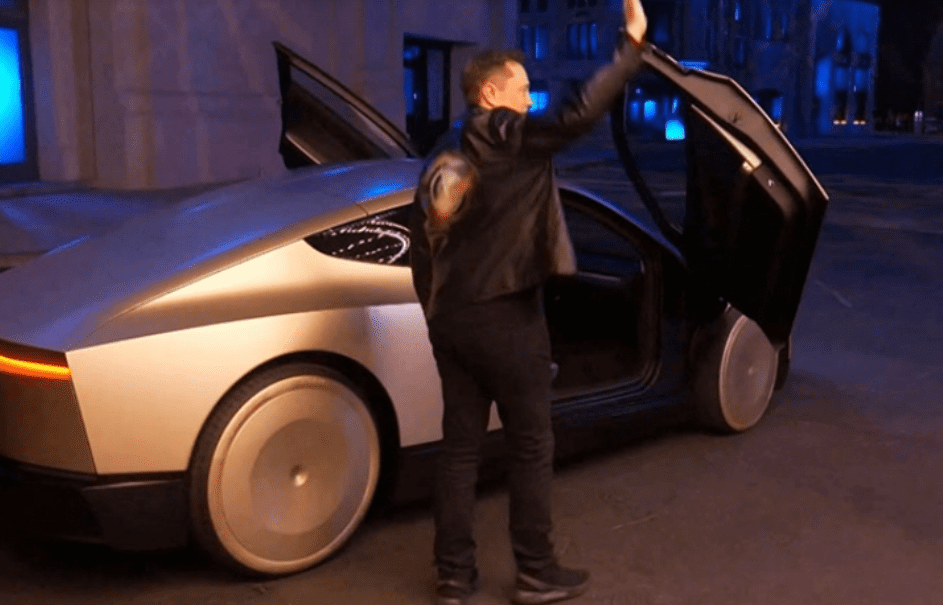
Tesla CEO Elon Musk at the Warner Bros Event AP
Future expectations
Some analysts understand the delays, noting that Tesla is being cautious due to high stakes involved in ensuring safety.
Morningstar analyst Seth Goldstein mentioned Tesla’s reluctance to risk incidents that could arise from premature deployment.