
News
Has FIFA failed its LGBTQ+ supporters?

With the Men’s World Cup due to kick off in Qatar this November, has FIFA failed its LGBTQ+ supporters?
It was 12 years ago when Qatar was awarded the right to host the 2022 FIFA World Cup, which is due to kick off in November.
The men’s football championship dominates headlines and excites fans right around the world. Thousands will descend on the country to view the spectacle and millions more will watch from afar.
Sport is wonderful thing – often bringing communities together and challenging societal barriers. But there’s a dark cloud hanging over this year’s football event. This will be the first time the FIFA World Cup has been hosted by an Arab country.
There are concerns about the safety and wellbeing of fans travelling to a region that fails to protect a number of fundamental human rights.
In Qatar, homosexuality is illegal and punishable with up to 7 years in prison, or even death in some circumstances. At a sporting event where everyone is supposed to be welcome, many fans won’t necessarily feel safe – if they do decide to attend at all.
TICKER NEWS spoke with former football player Thomas Beattie. On 23 June 2020, Beattie came out as gay during an interview with ESPN. He was one of the first male professional footballers to do so.
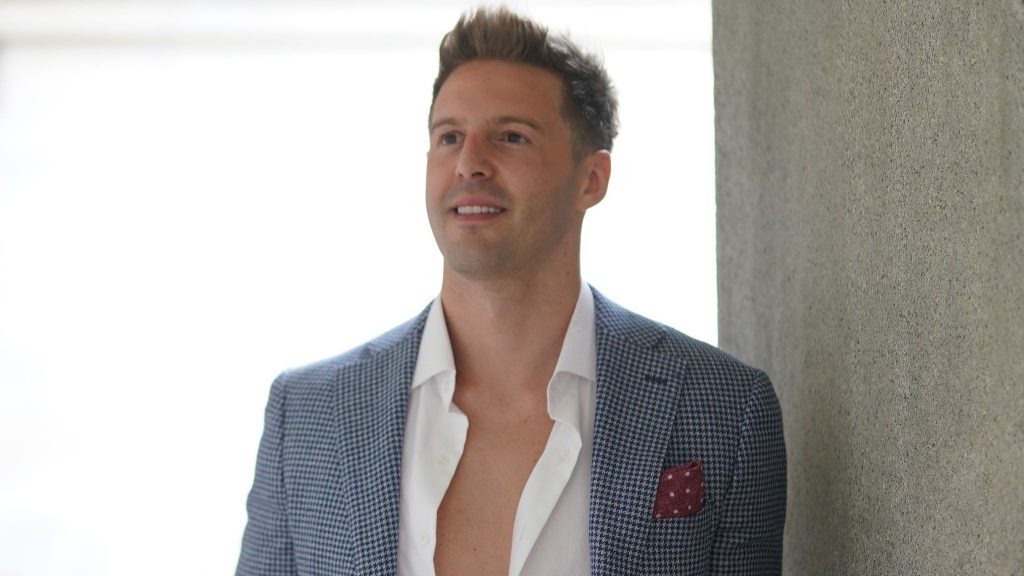
Following a career-ending injury, the now 35-year-old said this incident was the trigger he needed to reveal his true self.
“It was big to learn to embrace every part of myself and be ok with it,” he said. “I used to go home and lay on my bed, praying it would all go away. I still think if I was playing now, I’d still not be out.”
Should the World Cup be held in Qatar?
When it comes to the World Cup in Qatar, Beattie is frustrated the pinnacle of men’s football was given to an Arab nation in the first place.
“I don’t think any global sporting event should be hosted in any country that doesn’t have equal rights across the board,” he said.
But FIFA is determined it will be just as spectacular as ever, promising inclusion will be at the forefront of every decision.
“We’ve received the necessary guarantees, we are training all the officials,” FIFA President Gianni Infantino said.
“We are working hand in hand with the government, with the police authorities, everyone will be welcome.”
There is also hope that having the World Cup in Qatar will be a catalyst of change. Could this moment lead to policy reform and greater protections for the nation’s Queer community?
Regardless, all eyes will be on FIFA and Qatar as fans and players touch down in Doha in November. Will the tournament be remembered for all the right reasons or will it be shrouded in shame?
-
 News4 days ago
Six nations pledge security for Strait of Hormuz
-
News4 days ago
Energy markets face turmoil from Iranian attacks
-
Tech23 hours ago
Meta to cut 20% workforce for AI focus
-
News4 days ago
Apple to earn over $1B in AI app fees
-
Tech4 days ago
Uber to invest $1.25 billion in Rivian robotaxis
-
News13 hours ago
Iran threatens infrastructure if U.S. attacks plants
-
Tech1 day ago
OpenAI to introduce ads for free ChatGPT users
-
Tech5 days ago
Australian scientists create world’s first quantum battery