News
China rejects WHO proposal to return to Wuhan

China has pushed back against the World Health Organization’s call for another probe into the origins of COVID-19
China says there’s no evidence for the theory that the virus leaked from a lab and has discouraged another investigation from the WHO.
Chinese scientists say the virus most likely arose in an animal that transmitted it to humans via a host animal. They praised an earlier report from the WHO that pointed primarily to animals while finding that the lab leak hypothesis was “extremely impossible.”

China has been put into question by many nations across the world
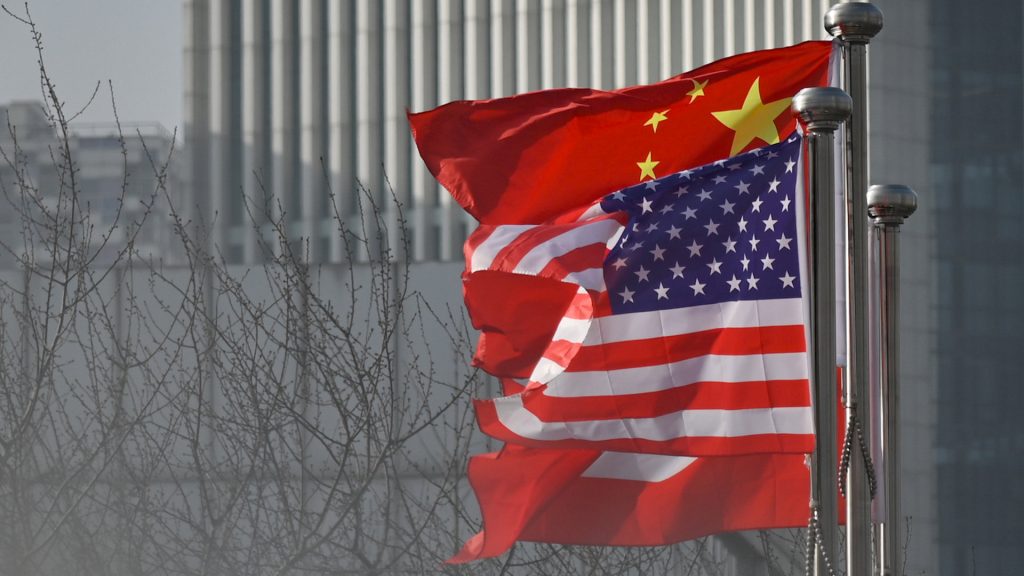
Wuhan lab under the spotlight
The Wuhan laboratory at the center of the controversy “never had the virus,” according to an epidemiologist who headed the team of Chinese experts working with the WHO.
Epidemic scientist, Liang Wannian stated to “there’s no need for us to put more resources into a lab leak probe.”
The head of the WHO acknowledged last week that it was premature to rule out a potential link between the pandemic and a leak of the coronavirus from a Chinese lab.
“China has made repeated clarifications and does not accept the WHO plan”
Speaking at a news conference at the State Information Council, China’s National Health Commission Vice Minister Zeng Yixin said that the lab in the city of Wuhan has no virus that can directly infect humans.
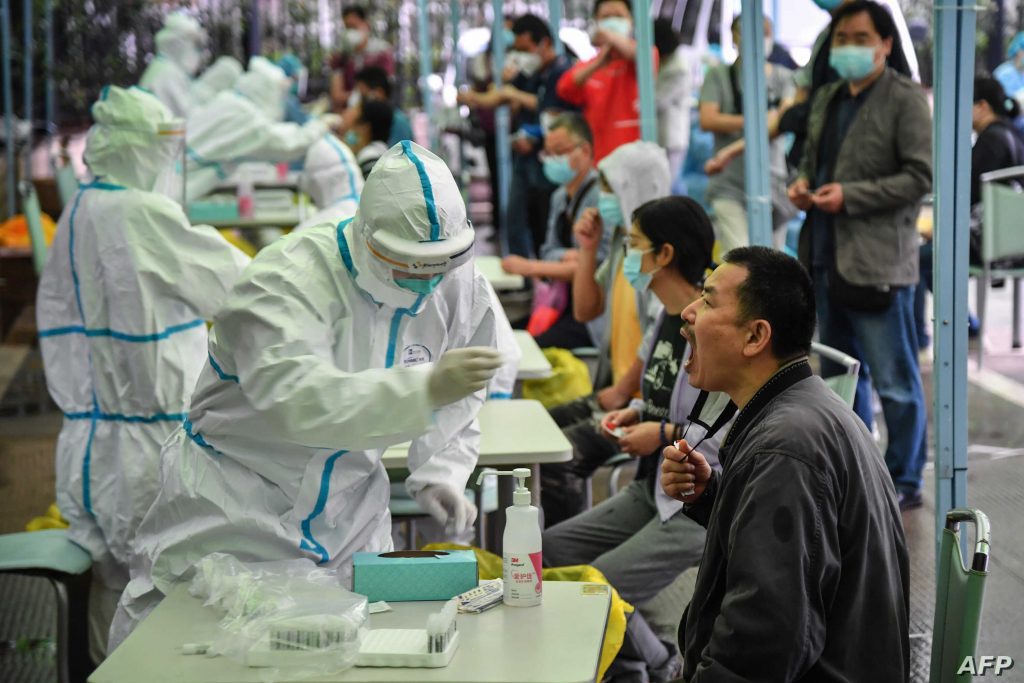
World Health Organisation proposes second investigation
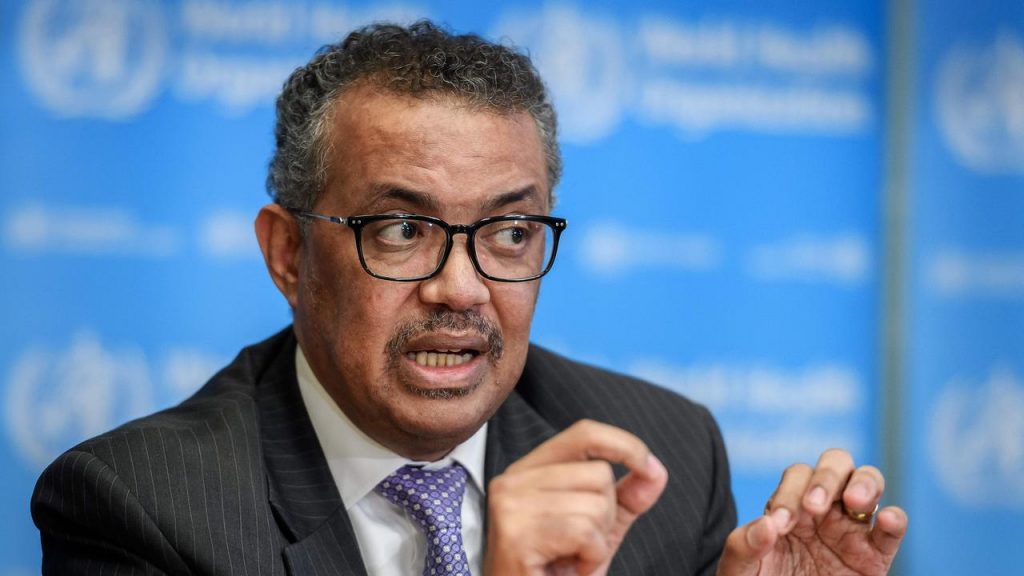
In a closed-door meeting last week, the boss of the World Health Organisation Tedros Adhanom Ghebreyesus proposed the second stage of the agency’s investigation into the origins of coronavirus should include further studies in China as well as lab “audits”.
“we expect China to support this next phase of the scientific process by sharing all relevant data in a spirit of transparency.”
The WHO chief says “Finding the origins of this virus is a scientific exercise that must be kept free from politics.”
The hypothesis of a lab leak was once dismissed as a conspiracy theory by opponents of former U.S. President Donald Trump – whose administration raised the possibility ahead of the 2020 election.
The premise subsequently gained traction after scientists questioned China’s reluctance to provide access to the primary source material.
The WHO has been under growing pressure to step up its investigation into the origin of the pandemic, which originated in Wuhan and has now killed more than 4.1 million people globally.

-
Ticker Views2 days ago
Artemis II crew will endure 3,000°C on re‑entry
-
News3 days ago
North Korea tests cluster warhead on missile
-
Tech5 days ago
Apple shares drop on foldable iPhone delays
-
News3 days ago
OpenAI introduces $100 monthly ChatGPT Pro subscription
-
Leaders3 days ago
Australia raises over $3 million for Middle East crisis
-
News5 days ago
Iranian hackers escalate attacks on U.S. infrastructure
-
News5 days ago
Ticker launches The Founders Method, exploring real entrepreneurship
-
Money2 days ago
Ceasefire impacts on global energy and markets