

News
Why is Joe Biden campaigning in Virginia?


As Joe Biden campaigns in Virginia, Ticker News US political contributor Bruce Wolpe reflects on the future of his presidency. Wolpe is a Senior Fellow at the United States Studies Centre.
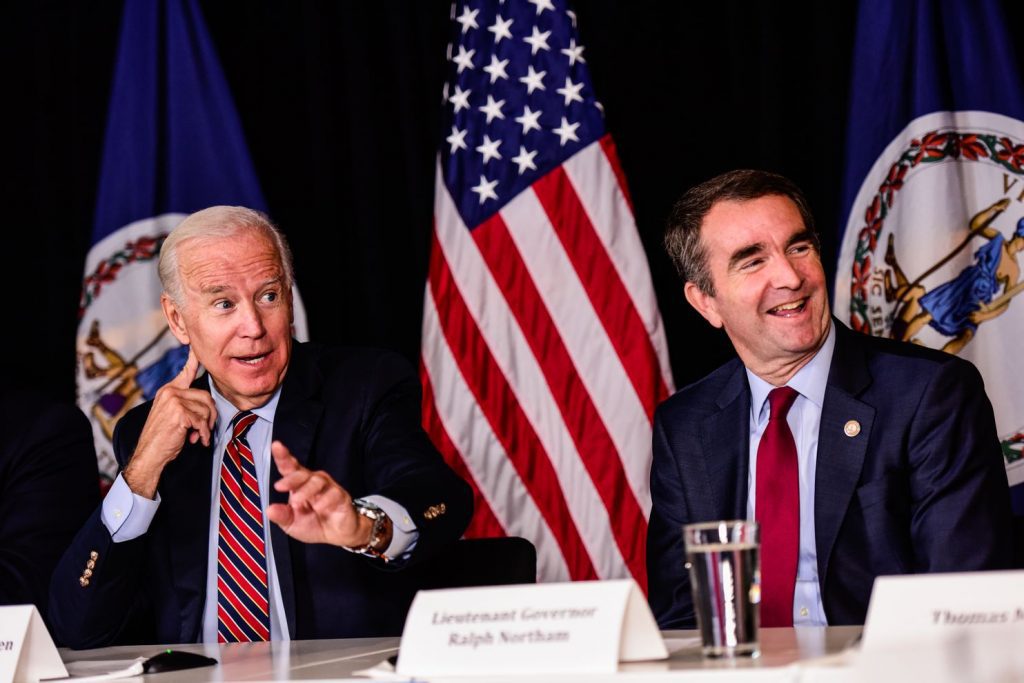
Friday evening, just before escaping to his beloved Delaware for the weekend (his, wife, the First Lady, was in Japan for the Olympics), President Biden slipped across the Potomac River into Virginia. Here, he headlined a campaign rally for Terry McAuliffe, who is running for governor. The election is in November.
Biden keeps learning – and applying – some critical lessons from when he was in the White House 12 years ago, serving as Vice President for Barack Obama. Their first year in office was dramatic, exhilarating, dynamic – and very challenging.
America (and the rest of the world) was reeling from the Global Financial Crisis. Obama and Biden won a key early victory in passing a massive economic recovery program. Obama proposed landmark universal access to health insurance – it would ultimately become Obamacare – and comprehensive energy and climate legislation to tackle global warming.
Biden learns lessons from the Obama era
2009 was also an election year for two governorships, in Virginia and New Jersey. By that November, Obamacare was still tied up in bipartisan negotiations in the Senate; it would not enact it for another 5 months. The energy and climate bill passed the House but would ultimately die in the Senate.
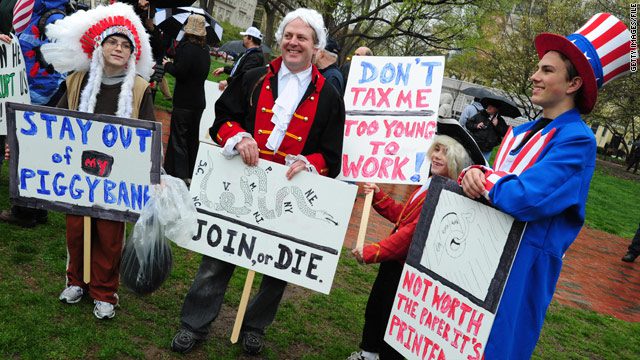
The economic recovery was underway, but jobs gains across the country were very slow to lock in. That August, “Tea Party” activists held raucous protest rallies against Obama’s health care proposals across the country. By that November, the political mood was quitter uncertain.
In this odd-numbered year, 12 months after the presidential election, voters in Virginia and New Jersey hold their state elections. And like by-elections in Australia, citizens can read them as a referendum on how the party that controls the White House is doing. And November 2009 was bad news for Obama, Biden, and the Democrats. Republicans won both governorships. And it was a shock.
Lesson #1: go big and go fast
The pundits were in overdrive that night, saying, Democrats in big trouble! Obama took it on the nose! Too much change we cannot believe in! And this was critical because the centrist independent voters in New Jersey and Virginia voted for the Republicans. Obama
won those independents only a year before.
Biden keeps applying the lessons he learned from those days. First, go big and go early and go fast. He passed the pandemic response and vaccination program within his first 50 days in office together with the $2 trillion economic recovery initiative – more than twice as large as Obama’s in 2009.
Second, don’t focus on futile negotiations in the Senate. Pending in the Senate right now is another $4 trillion on infrastructure, health care, education, climate, childcare, and other priorities. The make-or-break moment to move on it is coming now – not after November.
A double-header victory remains on the cards
So Joe Biden was in Virginia on Friday to help his good friend Terry McAuliffe win his election against a Trump-endorsed candidate – and he will do the same in New Jersey to support the popular Democrat running for re-election there. A double-header victory would signal to the country that voters support the Biden agenda.
As the Washington Post reported last week:
“Among the questions Biden is confronting are whether the Trump base will turn out when the former president is not on the ballot, whether Biden’s ambitious economic plans will be seen as a boon or a driver of rising prices and whether voters will continue to give the president high marks for his handling of the pandemic.”
Biden has zero intention of letting anyone stop his momentum in Virginia this year.
Read more by Bruce Wolpe here.

News
Israel strikes Tehran anew as conflict escalates and global markets react
Israel strikes Tehran after Khamenei’s death; U.S. warns of prolonged conflict as tensions escalate in the Middle East.

Israel strikes Tehran after Khamenei’s death; U.S. warns of prolonged conflict as tensions escalate in the Middle East.
Israel has launched a new wave of strikes on Tehran, following the reported killing of Iran’s Supreme Leader, Ali Khamenei. U.S. President Donald Trump has warned the campaign could last up to a month, framing the operation as a move to prevent Iran from acquiring nuclear capabilities.
Iran has retaliated with missile attacks, while its Revolutionary Guards claim responsibility for assaults on oil tankers in the Gulf. The escalating hostilities are already disrupting global shipping lanes and air travel, sending shockwaves through international markets.
With reports of the first U.S. casualties emerging and Washington declaring the Tehran operation a success, tensions across the Middle East are intensifying rapidly. The question now is how far this conflict could spread — and at what cost.
Subscribe to never miss an episode of Ticker – https://www.youtube.com/@weareticker
#Israel #Iran #Tehran #MiddleEastConflict #Geopolitics #OilMarkets #BreakingNews #GlobalSecurity

News
U.S. and Israel strike Iran as missiles hit Gulf bases and oil surges
U.S. and Israel launch major military operation against Iran; tensions rise as conflict escalates, impacting global markets.

U.S. and Israel launch major military operation against Iran; tensions rise as conflict escalates, impacting global markets.
The United States and Israel have launched a sweeping military operation against Iran, striking leadership targets and more than 500 military sites in what President Trump has dubbed Operation Epic Fury.
Explosions have rocked Tehran, with civilians fleeing the capital as U.S. sea and air assets carry out sustained attacks. Washington says the mission is designed to prevent a nuclear armed Iran and has even called on Iranians to rise up against the regime.
Iran has retaliated with a barrage of missiles and drones targeting Israel and U.S. bases across the region, including in Qatar, Kuwait, the United Arab Emirates and Bahrain. While many projectiles were intercepted, a U.S. base in Bahrain sustained damage.
Gulf states long seen as stable hubs for global business are now directly in the firing line, raising fears of a wider regional war.
Oil prices are climbing and tankers are diverting from the Strait of Hormuz as markets react to the escalating conflict. U.S. aircraft carriers, advanced fighter jets and missile destroyers remain in position, signalling more strikes could follow.
With global leaders scrambling diplomatically, the world is watching to see whether this spirals further or shifts back to negotiations.
-
 Money5 days ago
Australia’s inflation report and Nvidia earnings impact explained
-
Tech4 days ago
Meta launches lawsuits over alleged scam advertising operations
-
News2 days ago
Crude oil prices spike amid U.S.-Israel military action
-
News2 days ago
Iran warns ships to avoid Strait of Hormuz
-
News2 days ago
U.S. and Israel attack Iran, escalating regional conflict
-
News14 hours ago
Iran live updates: Trump claims Khamenei dead as Iran insists he remains in command
-
Tech5 days ago
Nvidia earnings soar as AI drives 75% revenue growth
-
News5 days ago
Qantas announces 8,500 jobs and frequent flyer changes














Pingback: Why is Joe Biden campaigning in Virginia? - World news